

As a US envoy met Vladimir Putin in St. Petersburg on 21 October to discuss Russian diesel sales, Russian strikes overnight killed four people in Ukraine. Two died after a drone hit a 24-story apartment building in Kyiv.
In Korotych, in the Kharkiv region, an 81-year-old woman and an 83-year-old man were killed in strikes overnight. Eleven people were injured, including two children.
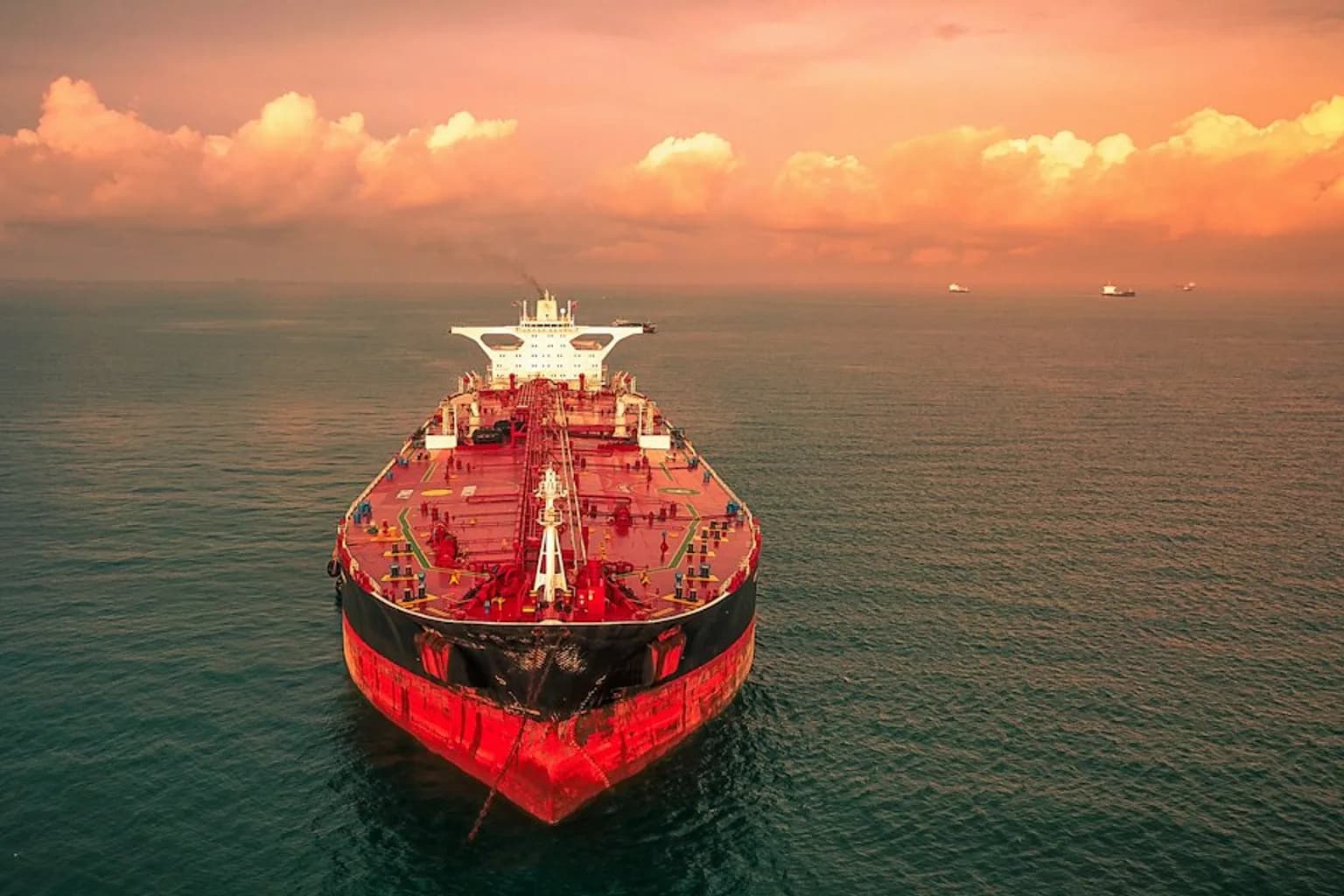
The talks centred on a shipment that Russian Deputy Prime Minister Alexander Novak said would leave on 22 October carrying 40,000 tons of diesel for the United States. Marine intelligence firm Kpler said the vessel was signalling New York as its destination, with an expected arrival on 7 November. It would be the first Russian diesel delivery to the US since July 2023.
The cargo is equivalent to around 300,000 barrels, about 7% of the roughly 4 million barrels of diesel consumed by the US economy in a single day.
President Donald Trump said he reached the supply agreement with President Vladimir Putin after a telephone call on 9 October, two weeks before the tanker was due to depart. Russia lifted its self-imposed diesel export ban on the same day.
The US Treasury Department issued a temporary licence allowing Russian diesel to reach global markets despite US sanctions. The licence authorises the transactions through 7 April 2027.
Trump said the agreement provides for 300,000 tons immediately, 500,000 tons in November and 1 million tons thereafter. A further 3 million tons could follow later, depending on the condition of Russian refineries.
Novak said in St. Petersburg that contract signing was close to completion and that Russia could fully restore diesel export volumes by the end of 2026. “Further shipments will follow,” he said. “We will meet the United States needs, to the extent of our capabilities.”
Putin told US special envoy Steve Witkoff on 21 October that the first tanker would sail within two to three days, and said financing still needed to be worked out. Kremlin spokesman Dmitry Peskov later said: “The first oil tanker has sailed off to customers, and regular supplies will continue.”
Russia’s diesel production has been strained by repeated Ukrainian long-range drone attacks on oil refineries. Those attacks prompted Russia to impose its own diesel export ban. Trump last month asked Kyiv to stop targeting the refineries.
Putin said worldwide diesel prices had fallen by 5% to 6% after the agreement was announced. Witkoff expressed gratitude to Putin for lifting the export curbs during their St. Petersburg meeting.
Ukraine’s President Volodymyr Zelenskyy condemned the arrangement as “a weak decision by strong partners” and “an investment in war”. Since the diesel announcement, Ukraine has complained of disrupted intelligence sharing and limits on its use of the Starshield satellite system. Witkoff met Zelenskyy in Oslo on Tuesday to discuss those issues, and Zelenskyy said they had agreed on resolving them.
Russia launched its invasion of Ukraine in February 2022. Seven senators, including four Republicans, have criticised the diesel agreement, arguing that it breaches a 2022 law banning Russian energy imports. A bipartisan group of 12 senators has urged Trump to rescind it.
Trump signed a sweeping sanctions package directing him to impose tariffs of up to 100% on the top five importers of Russian oil or natural gas, then put those measures on hold. He also signed an executive order on 16 October waiving Russia-related sanctions and tariffs.
Comments (0)