

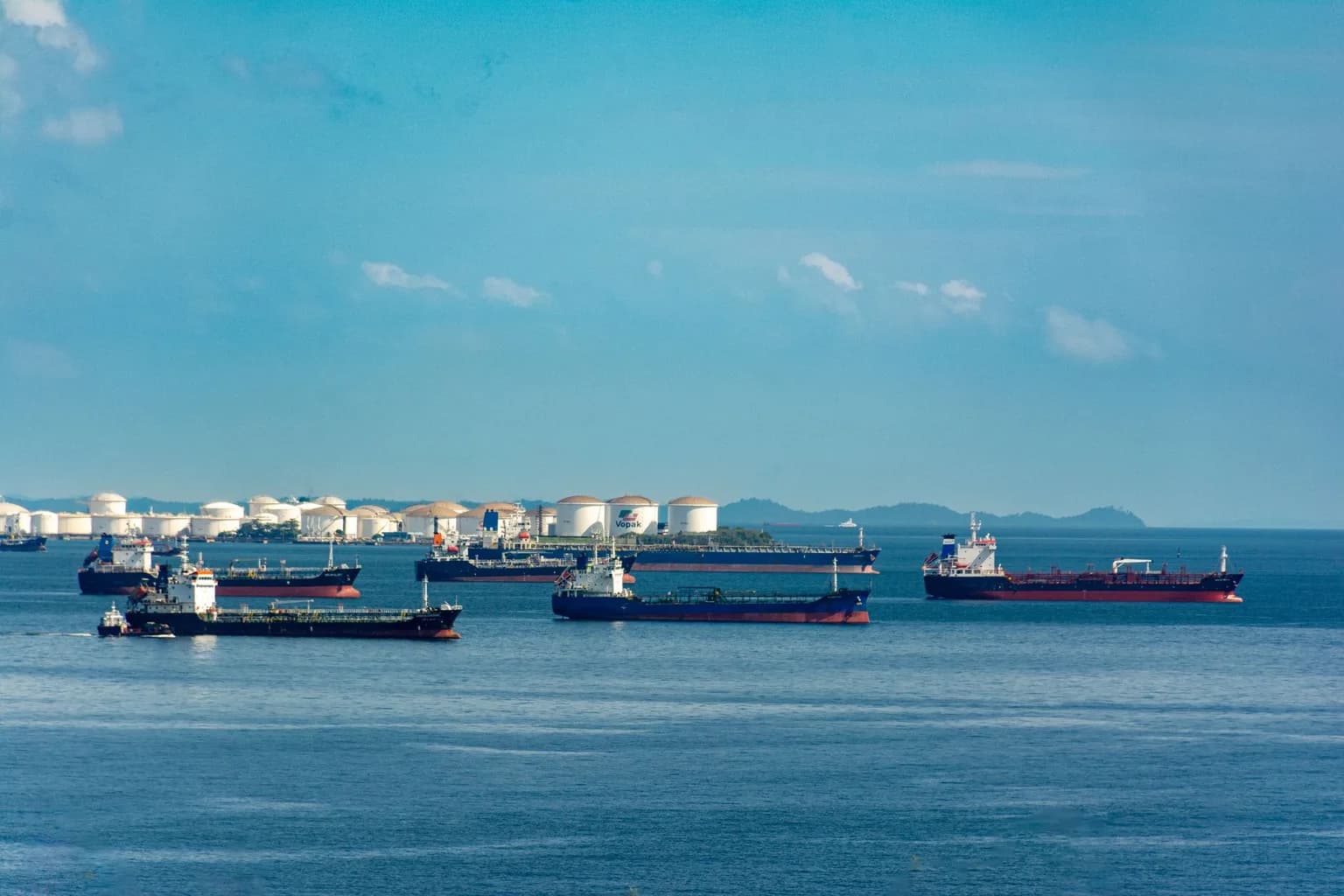
Global diesel buyers will face restricted Russian supply until 31 January 2027, while designated suppliers retain access to exports under exemptions from Moscow’s ban.
The Russian government says the measure is intended to keep its domestic fuel market stable, even as it makes exemptions available under a deal between President Vladimir Putin and US President Donald Trump.
Putin and Trump reached their agreement on 9 October to supply Russian diesel to international markets. Trump said the bilateral understanding would release Russian diesel to help limit fuel benchmark inflation.
On 16 October, Trump signed an executive order using Section 115 of the Lindsey O. Graham Sanctioning Russia and Iran Act of 2026. It waived mandatory 500 percent tariffs on Russian imports and 100 percent duties on third-party petroleum buyers 48 hours before they were due to take effect.
Russia had partly eased diesel export restrictions in early October, allowing producers to resume some overseas sales while keeping a ban on exports by non-producers until 31 January 2027. Similar exemptions were introduced in October and are scheduled for November.
Then, on 31 October, the government extended its export ban on diesel, marine fuel and gas oils by direct producers until 31 January 2027. Gasoline exports are barred until the end of the year.
The US Department of the Treasury’s Office of Foreign Assets Control issued a temporary general licence allowing transactions involving Russian refined diesel through 7 April 2027.
Moscow plans to export approximately 2.15 million metric tons of refined diesel in November, following an estimated 510,000 tons shipped in October. Trump had previously said Russia could supply up to 2 million tons of commercial diesel to the US and the wider global market.
Alexander Novak, Russia’s deputy prime minister, said Russia could supply up to 3.5 million tons by the end of 2026 under the authorised exemptions. He also said recurring Ukrainian long-range drone interdictions against domestic oil refineries could temporarily reduce export quotas.
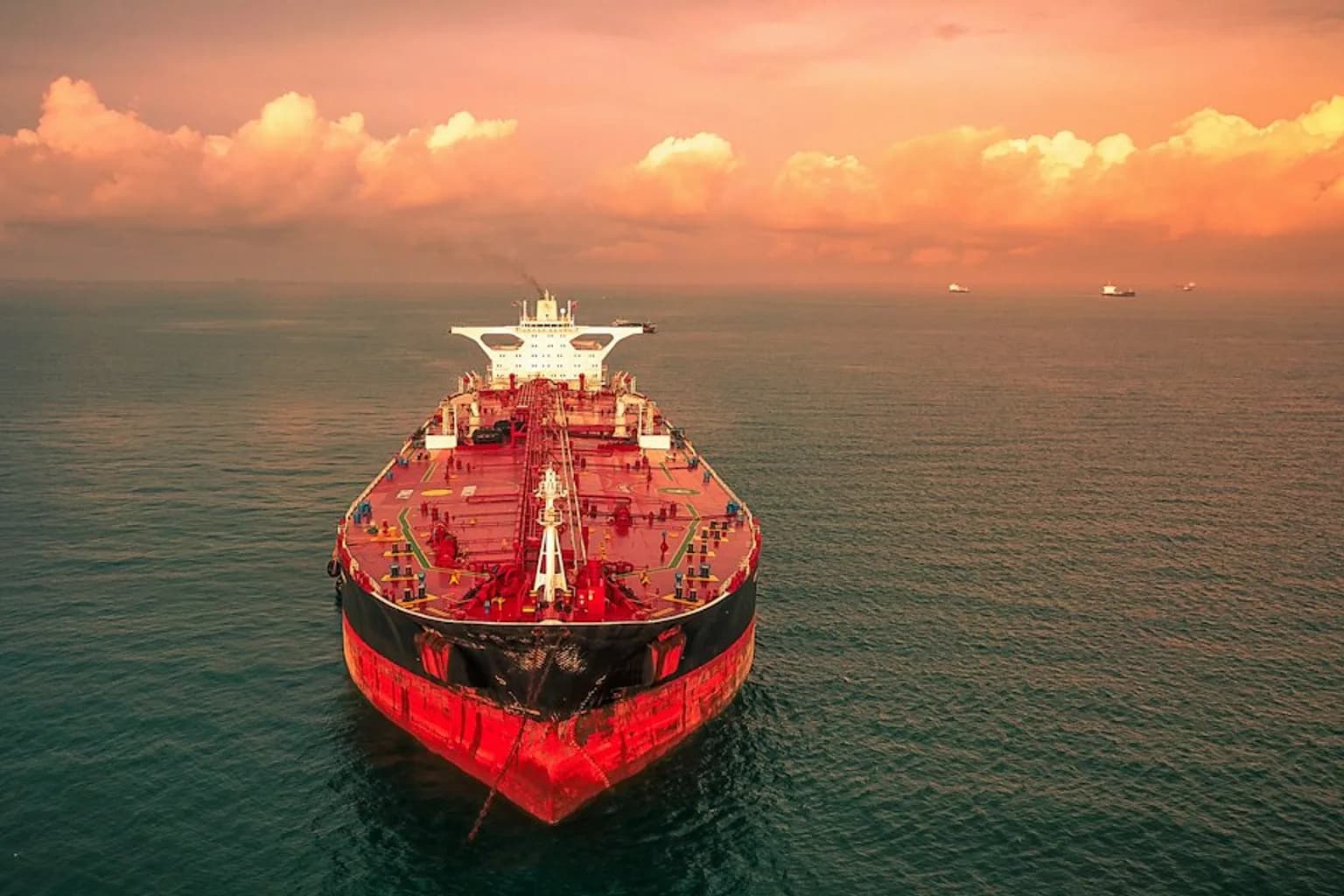
Four commercial tankers carrying Russian refined diesel had left Baltic Sea ports by late October. The Dolunay departed Primorsk for Alanya, Turkey, on 14 October, while the Leruo left on 16 October for Manaus, Brazil.
Turkey has taken approximately 34 percent of Russian seaborne diesel liftings so far this year, averaging 95,000 barrels per day. Brazil accounted for 24 percent of loadings, taking roughly 66,000 bpd.
Moscow had also exported 427,000 metric tons of diesel to Central Asian republics under intergovernmental supply contracts in September.

Comments (0)