

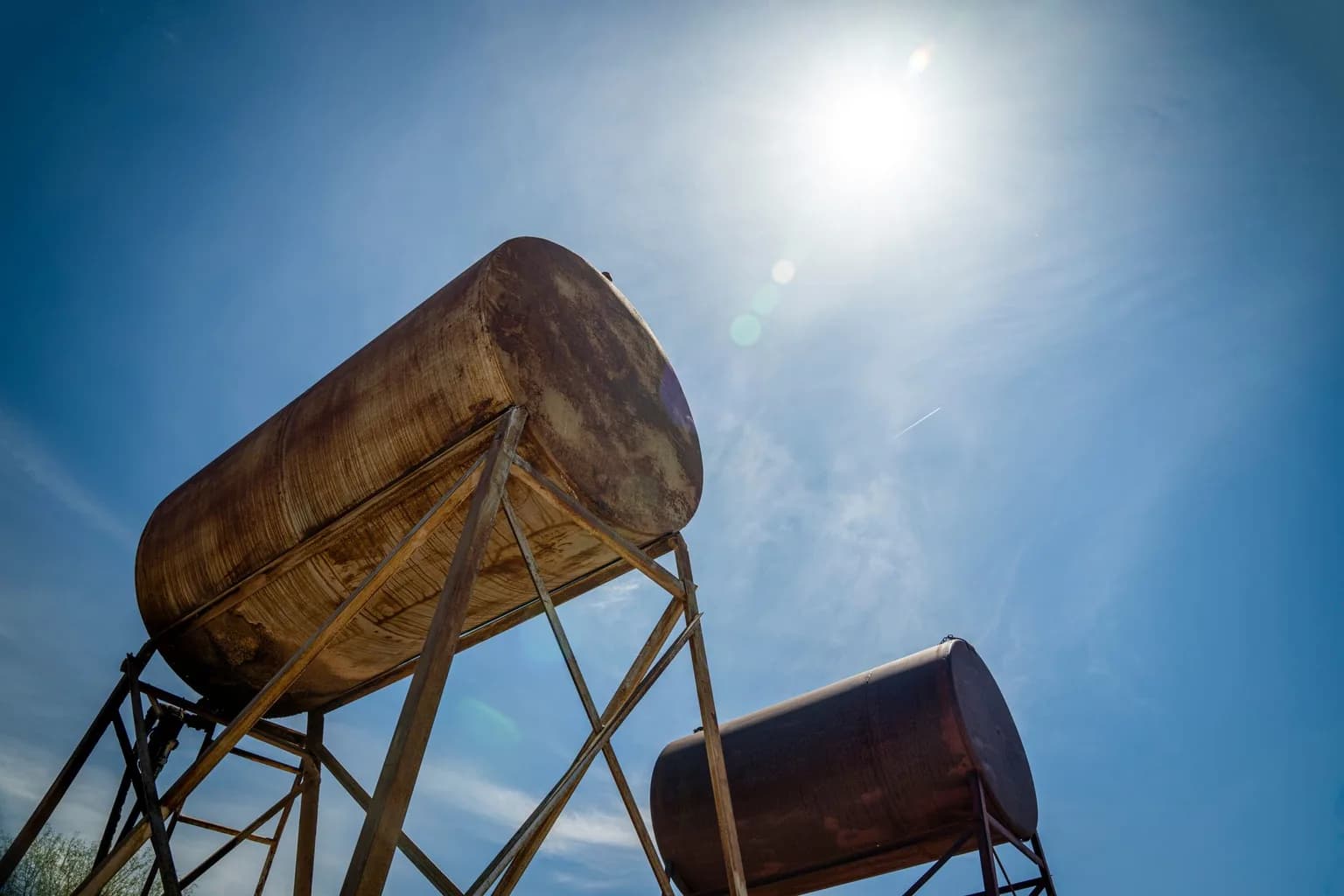
The US entered a war in Iran in February 2026, disrupting oil supplies through the Strait of Hormuz and damaging refineries and pipelines. Since the US-Israeli war on Iran began, US diesel prices have risen 70%.
Heating oil prices have exceeded $6.50 per gallon, while average retail diesel prices have hovered around $6.32 per gallon in recent days. The Trump administration has blamed Ukrainian attacks on refineries in Russia for the high prices.
Earlier in October, Trump signed an executive order allowing red-dyed diesel to be sold more widely and used on public roads through year-end. The fuel is exempt from the 24.4-cent-per-gallon federal highway tax.
On Wednesday in October, the Department of Energy said it would loan up to 315,000 barrels of heating oil from reserves in Maine, Massachusetts and Connecticut. That is nearly a third of the 1 million-barrel US emergency heating oil reserve, which is held at sites in New Jersey, Connecticut, Massachusetts and Maine. Deliveries are due to be completed by November 13.
Chris Wright, the US energy secretary, said the administration was “committed to doing everything in our power to lower energy costs”.
The heating oil release follows an agreement to loan 172 million barrels of crude from the Strategic Petroleum Reserve. The crude reserve is at its lowest level since 1982.
Susan Collins, the Maine Republican senator facing a tough reelection fight, said the heating oil loan amounted to a 13% supply increase for New England and would reduce the region’s heating oil costs this winter.
About one-third of New England homes use heating oil, including about half of homes in Maine. In Maine, nearly 11% of the population lives below the national poverty line and more than 50% relies on heating oil.
Energy analysts questioned whether the reserve loan can materially alter prices. Tom Kloza, chief energy adviser at Gulf Oil, called it “puzzling and probably inconsequential” and said it should have no impact on prices. Caspian Conran, lead economist at Baringa, said the measures could provide “probably a few weeks of relief”.
John Tirado, president of the New Jersey-based commercial fuel supplier Summa Energy, called the dyed-diesel plan “a Band-Aid on a much bigger problem”. More than 4,000 retailers distribute dyed diesel across the United States.
Bob McNally, president of Rapidan Energy Group, said “the only thing that can prevent oil prices from rising further and put them on a sharp downward trajectory is a durable end to conflicts in the Arabian Gulf and between Russia and Ukraine”.
Households using heating oil will pay between $555 and $1,664 more because of the war this year. The EIA expects retail heating oil prices to rise by 34% this winter compared with last.
The release comes as the November 3 midterm elections approach. The cost of living is voters’ top concern in a Reuters/Ipsos poll, while Trump’s approval rating stands at a record-low 32%, according to the same poll.


Comments (0)