


The UK economy grew 0.7% in the three months to September, its fastest rate for more than two years.
Economists had predicted growth of 0.1% for July to September just months earlier. The Office for Budget Responsibility, the UK's independent forecaster of the economy and public finances, pencilled in 0.3% at the Budget just 3 weeks ago.
The quarterly result has not been exceeded outside the pandemic since 2017. The UK is on course to be the second fastest-growing major economy after the US across the G7 countries.
Spending on artificial intelligence and technology drove the stronger result over the year. Computer programming recorded its fastest growth for the past three years, while programming and consultancy services have been the biggest drivers of services growth so far this year.
Computer manufacturing made the biggest contribution to industrial production, rising 4.6% in the three months to September. Private-sector business investment also provided some of the most encouraging figures.
John Healey, the Chancellor, told the BBC that the figures showed a 'remarkable resilience' in the face of global conflicts. 'Britain is showing stand-out resilience,' he said.
Andy Burnham, the Prime Minister, called the figures 'welcome news'. He said: 'Despite a year where events around the world have pushed up costs here at home, our economy is growing, bringing hope for the future.'
Richard Benc, founder of the mechanical watch company Studio Underdog, said it exports about 80% of its watches. 'We've seen more resilience than we had forecast for and expected,' he said.
Sterling reached post Brexit referendum highs last week as the growth figures boosted confidence in the UK economy.
There are also signs of pressure on households. Consumer confidence fell as petrol and domestic energy prices began to rise again. Construction output contracted by 0.7%, while new private housing work fell by 4.7%.
Grant Fitzner, chief economist at the Office for National Statistics, which released the figures, said growth had 'go somewhat against expectation some months ago'. He said it was 'possible growth could have been even stronger' if there hadn't been a war in the Middle East.
US and Israeli attacks led to Iran blocking the Strait of Hormuz, a vital shipping route for the world's oil and gas. Russia and Ukraine have been attacking each other's oil refineries, squeezing global refining capacity and affecting diesel and petrol prices.
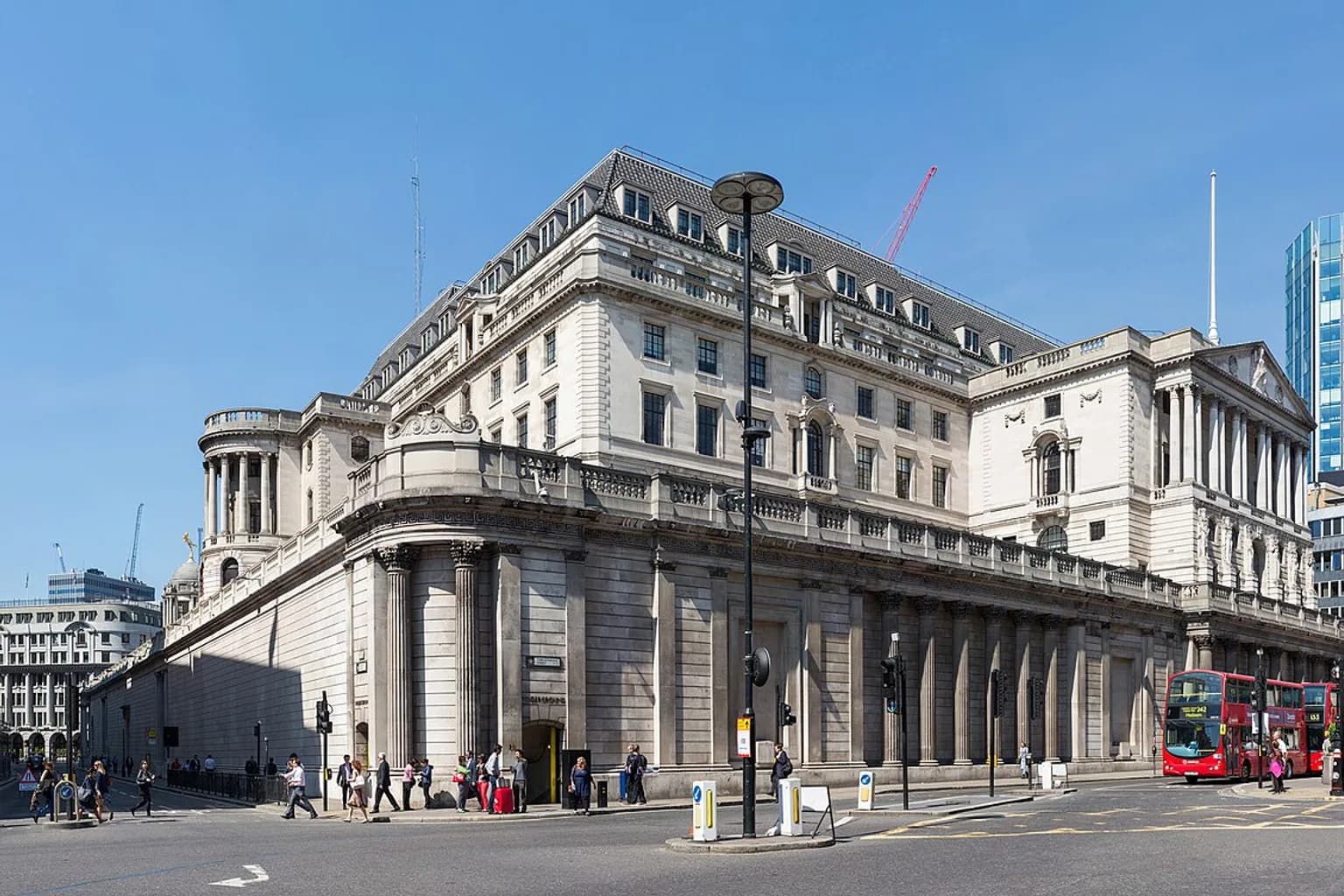
The Bank of England raised interest rates from 3.75% to 4% earlier in the month, its first rise in more than three years. Household gas and electricity bills are set to rise by about 25% when the energy price cap changes in January.
The energy price cap sets the maximum a supplier can charge for a unit of energy and standing charge together. It does not limit the cost of a household's total bill.
Fitzner said households may still not feel better off because prices might soon rise more quickly than wages. Jake Finney, a senior economist at consultancy PwC, said growth was likely to slow in the coming months 'unless energy markets stabilise.'

Comments (0)