


Eurozone borrowers face a stronger prospect of higher borrowing costs after markets put an 84% probability on a quarter-point European Central Bank rate rise at its meeting on 16 and 17 December.
Eurostat’s flash estimate showed inflation climbed to 4% in October from 3.8% in September, largely because annual energy inflation rose to 20.8% from 18.9%. Kim Blindbæk, a senior economist at AL Sydbank, attributed the rise to energy prices driven by the conflict in the Middle East.
The European Central Bank (ECB) has a 2% inflation target. October was the first month in which eurozone inflation had reached or exceeded 4% since September 2023, when it stood at 4.3%.
Energy prices rose 1.4% during October alone. With energy accounting for roughly 9% of the euro area shopping basket, its 20.8% annual rise added roughly 1.9 percentage points to the 4% headline figure.
Europe is a net energy importer, and prices have risen steadily since the start of the Iran war. Oil prices have risen 70 percent since the beginning of the year, while natural gas prices have risen by 230 percent.
The ECB raised rates in June and September in response to earlier inflation. At its 29 October meeting, it held its key interest rate at 2.5%, after policymakers unanimously agreed to wait despite discussing another increase.
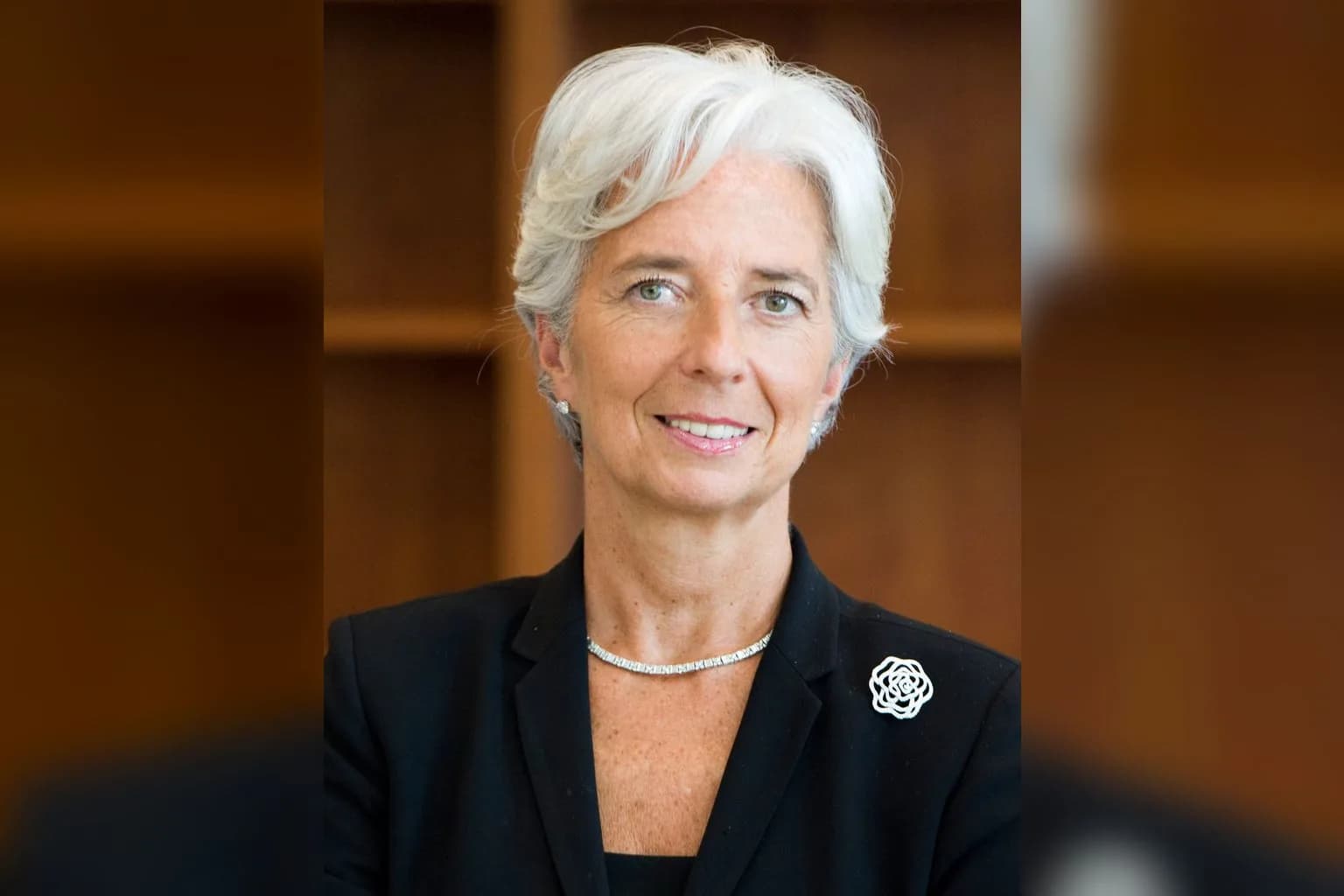
Christine Lagarde, the ECB president, has said she will step down in February, nine months before her term ends.
Policymakers said underlying inflation and wages were broadly stable, even as the headline rate reached a three-year high.
All 21 euro zone member countries recorded inflation above the ECB’s target. Thirteen accelerated, six eased and two held steady.
Italy posted the largest increase, with inflation jumping to 5.6% from 4.2% in September. Lithuania had the highest rate, at 6.1%, unchanged from September, while Malta had the lowest, at 2.3%.
Germany’s inflation rate fell to 2.8% from 3.3%. A cut in German fuel taxes took effect on 1 October and runs until the end of the year.
Markets moved quickly after the data. Before the release, prediction markets put the chance of a December rise at 71.8%; following it, the probability moved above 72% before later settling at 84% for the ECB’s final meeting of the year.
Nicola Nobile, chief Italy economist at Oxford Economics, said the October reading added to the already strong case for a December rate increase.
Claus Vistesen and Melanie Debono, economists at Pantheon Macroeconomics, expect a 25-basis-point increase in December followed by a final rise in March 2027. Pantheon forecasts inflation of 4.1% in November, 4.3% in December and a peak of 4.5% in January.
Robert Mertens, global capital markets senior analyst at Validus Risk Management, said that “ongoing turmoil in the French bond market is placing constraints on ECB policy” and on the bank’s capacity to get inflation under control.



Comments (0)