

Siri Steven and her husband have put off repairing their more than 130-year-old house as they try to manage the family budget in Decorah, Iowa. Steven, who manages a resale store, says they rarely eat out, live paycheck to paycheck and must take care to pay every bill without overdrawing their account.
That household calculation sits behind a GDP report that offered a far more encouraging national picture. Commerce Department data released on Thursday showed the US economy grew at a 3.4% annualized rate in the third quarter, ahead of the 3.2% pace forecast by economists polled by Reuters and faster than the previous quarter's 2.2% annual rate.
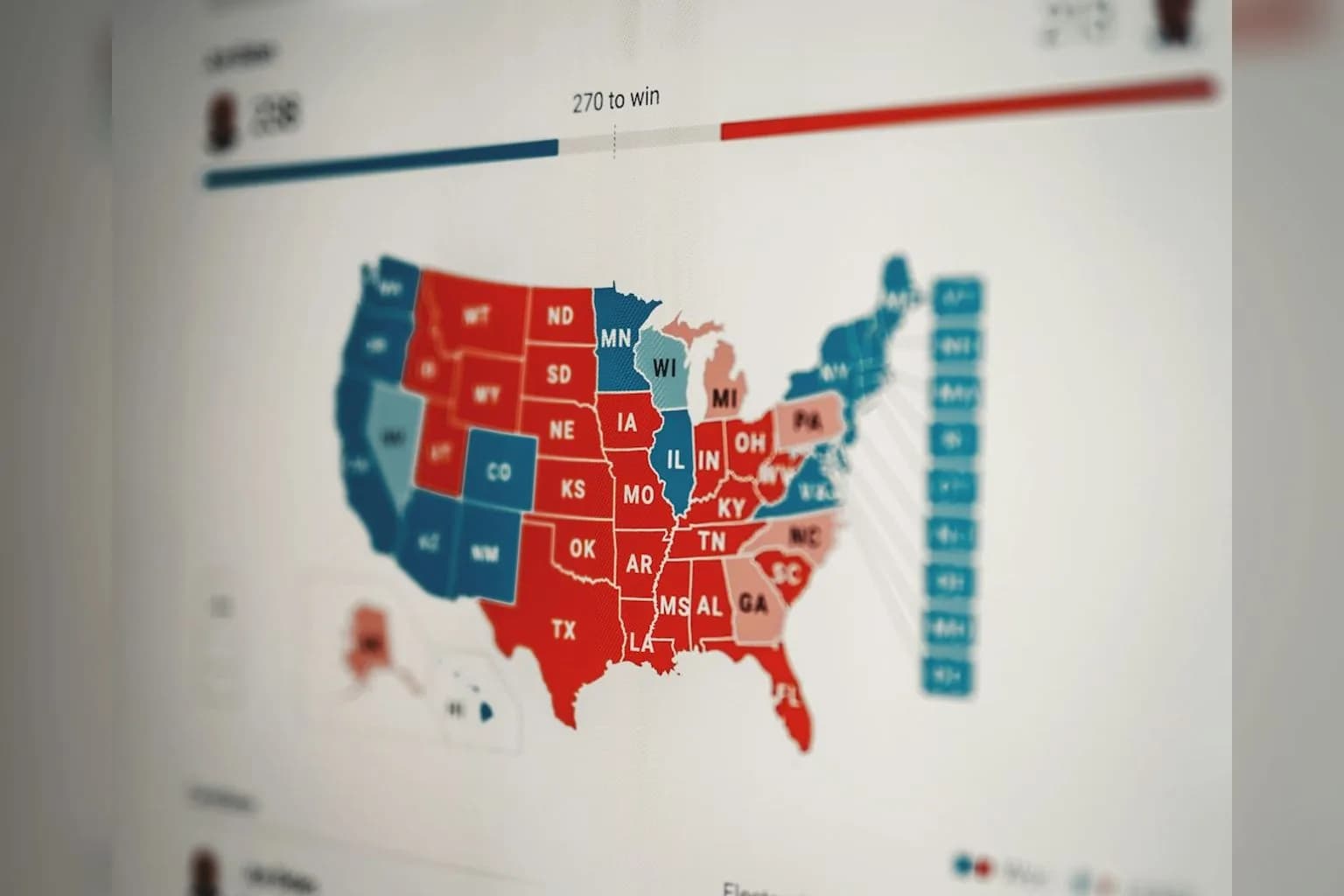
The report arrived less than a week before midterm elections that will determine control of Congress.
Consumer spending grew at a 3.8% pace in the July-September quarter, matching its 3.8% rate in the second quarter. Spending accounts for more than two-thirds of the economy. Investment by AI companies, including spending on data centres and technology development, was also a major driver of third-quarter growth.
Kevin Warsh, the Federal Reserve chairman, said economic activity was expanding at a strong pace.
The inflation data complicates that assessment. The annualized personal consumption expenditures, or PCE, inflation rate rose to 3.6% in September from 3.4% in August. Core inflation, which leaves out volatile food and energy prices, rose to an annualized 3.1%.
The consumer price index put annualized inflation at 3.7% in September, up from 3.4% in August. The PCE price index rose 0.5% during September. Both the PCE and consumer price index readings were above the Federal Reserve's 2% target.
For many households, the gap between the national figures and daily costs remains immediate. Average gasoline prices are still above $4 a gallon, about $1 a gallon more than a year ago. Many Americans say they feel gloomy about the economy as inflation increases the cost of daily necessities and the conflict with Iran drives up energy costs including gasoline.
Wage growth has fallen behind inflation. The burden is falling unevenly: higher-income Americans have been better able to maintain spending, while lower-income households are struggling more with everyday costs. The personal saving rate was 3.8% in September, down from 4.1% in August, according to a separate Commerce Department report.
Overall consumer sentiment, as measured by the University of Michigan, is down 15% from February.
The Federal Reserve left its benchmark interest rate in the 3.75%-4% range on Wednesday. Economists expect the Fed to raise rates in December.
Mark Zandi, chief economist at Moody's Analytics, described the expansion as fragile, saying the economy was moving ahead without firing on all cylinders. The figures leave voters with growth that has strengthened on paper, and inflation that continues to shape what many households can afford.

Comments (0)