

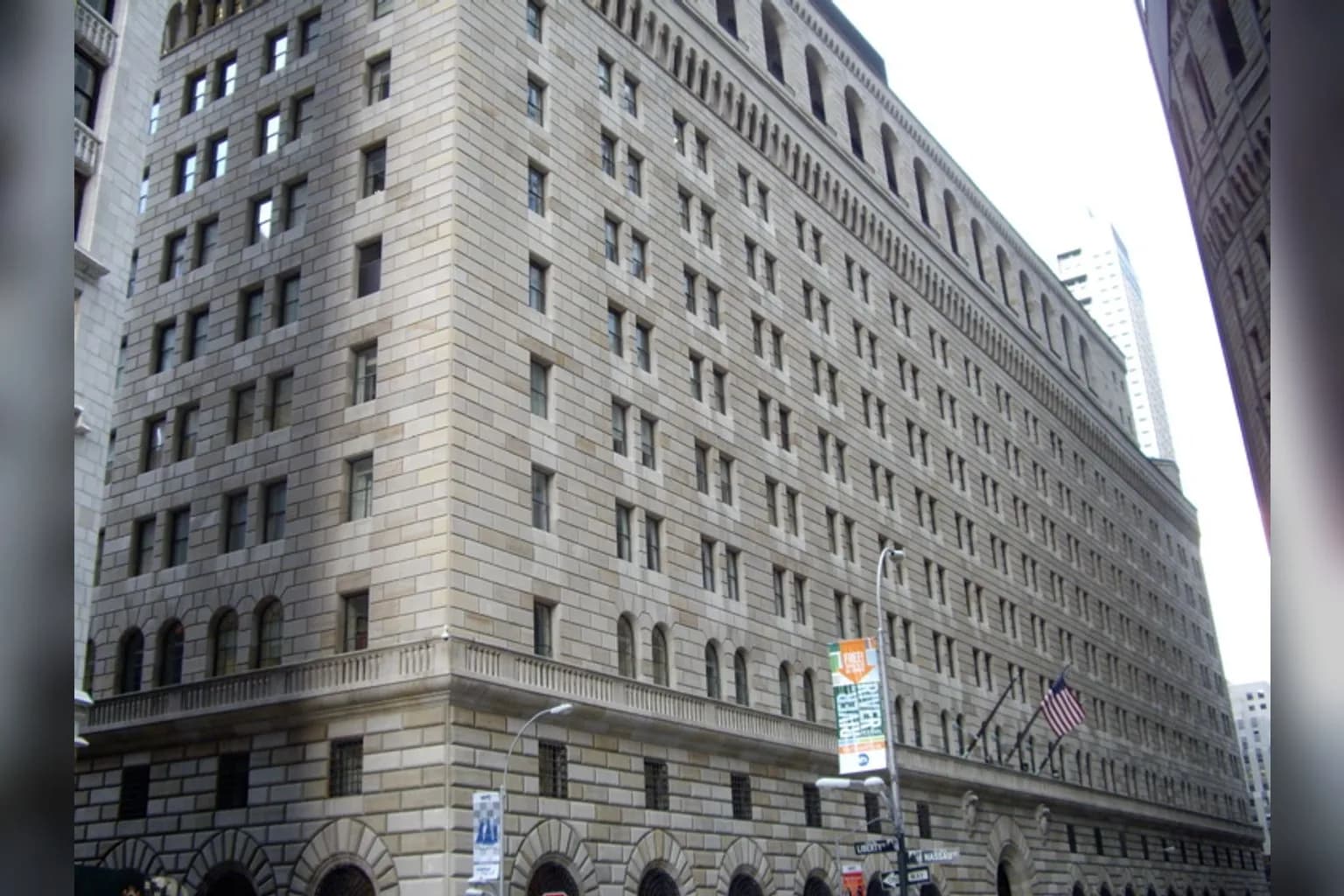
The Federal Reserve paused its rate-hiking campaign on Wednesday, 28 October 2026, holding its target range at 3.75% to 4.00% as inflation remained above its goal.
The 12-member Federal Open Market Committee voted 10-2 for the pause. Governor Lisa Cook and Cleveland Federal Reserve President Beth Hammack dissented, each backing an immediate 0.25-percentage-point increase.
The decision came days before midterm elections scheduled for 3 November. At a Wednesday afternoon press conference, Fed Chair Kevin Warsh said: “Politics played no role in the decision. I didn't hear an utterance about politics.”
The Fed raised rates by 25 basis points last month, taking the range to 3.75% to 4%, in its first increase since 2023. Inflation then stood at 3.7% in September, edging back towards a three-year high established in May. The central bank has missed its long-term two-percent inflation target for more than five years.
Markets had expected a pause. Fed funds futures put the chance of another quarter-point rise at less than 10% at this week’s meeting, according to the CME Group’s FedWatch tool.
In its statement, the Fed said “the accumulation of more information will help the Committee determine the policy stance appropriate to ensure a timely return of inflation to the Committee's two percent goal.”
Warsh called the meeting “a heck of a family fight”. He also said: “The period right in front of us is information rich, there's a lot that's happening in the world, my colleagues and I are keen to take notice of it.”
Earlier in October, Governor Christopher Waller said: “the hikes do not need to come at consecutive meetings, but they should be in place in an acceptable period of time”.
The Fed upgraded its assessment of the economy, saying activity in the United States was expanding at a “strong” pace, compared with its language at the Federal Open Market Committee meeting six weeks earlier. The unemployment rate has been largely stable around 4.2% over the last year.
Oil prices briefly rose above $117 a barrel earlier in the week after the closure of the strait of Hormuz, reaching their highest price in more than six months.
Heather Long, chief economist at Navy Federal Credit Union, said “inflation is still the No. 1 problem in the U.S. economy, and there are a lot of signs it is getting more broad-based.” For consumers, she said, “it means really high borrowing costs for the foreseeable future.”
The average rate on a new credit card offer is now 23.96%, according to LendingTree. The average rate on a 30-year fixed mortgage is close to 7.4%, according to Mortgage News Daily, while the yield on the 10-year US Treasury has been near 5%.
Donald Trump had criticised September’s increase, saying that “interest rates in the United States should be 1% or less”. The next question for the Fed is whether further data will justify another rise. Nearly 75% of economists expect at least one hike by year-end.


Comments (0)