

Businesses and investors exposed to the yuan face a central-bank move intended to ease pressure from the currency’s appreciation, after the offshore rate briefly fell more than 200 pips following the announcement.
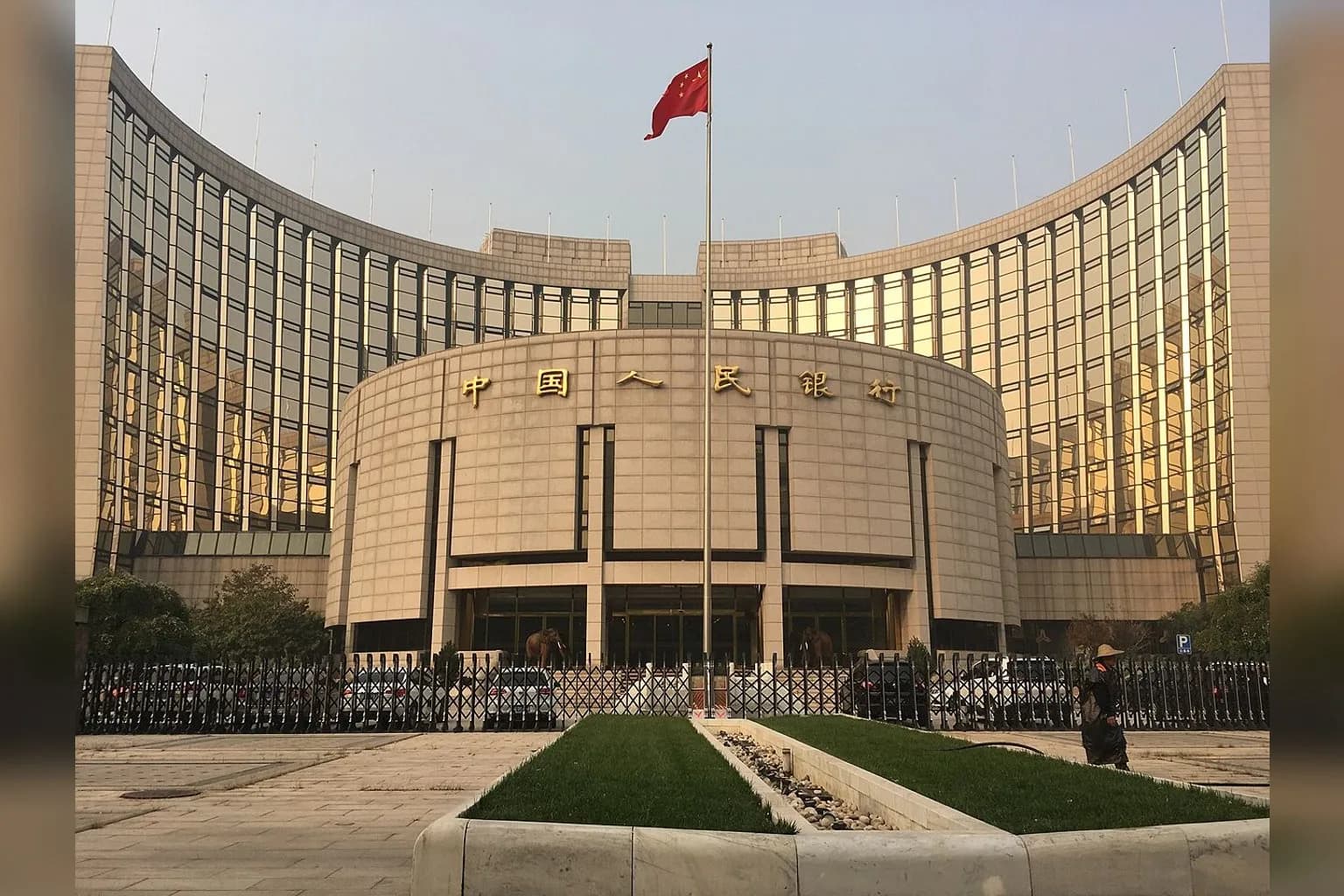
The People’s Bank of China said it would raise the foreign-currency deposit reserve ratio for financial institutions by 2 percentage points, from 4 percent to 6 percent, effective 15 November. The bank said the measure was intended “to strengthen financial institutions' management of foreign-currency liquidity”.
A higher ratio limits the foreign-currency funds, including dollars, that banks can deploy freely. The move is estimated to absorb about $24 billion from financial markets, while another estimate puts the foreign-exchange liquidity frozen within the banking sector at USD20 billion to USD25 billion.
The adjustment is the first in more than three years. China last changed the ratio in September 2023, when the central bank cut it from 6 percent to 4 percent to counter yuan weakness. The previous increase came in December 2021, about five years ago.
The shift follows a sustained rise in the yuan, which has strengthened more than 5 percent against the dollar this year. Robust exports, a large trade surplus and Chinese companies converting foreign-currency holdings into yuan have supported the currency, according to the factors cited for its strength.
In October, the central parity rate of the Chinese yuan against the US dollar strengthened 213 basis points to 6.7138 from 6.7351. The Bank for International Settlements Currency Basket RMB Index rose to a record 111.57 from 111.02, while the CFETS RMB Exchange Rate Index stood at 103.77 at the end of October, its highest level since July 2022.
The onshore RMB was at 6.6557 against the US dollar at the end of October. After the reserve-ratio announcement, it fell as much as 0.37 percent against the dollar to 6.6728 yuan per dollar in the onshore foreign-exchange market, its lowest level since 23 October.
Pan Gongsheng, the PBOC governor, said on 19 October that the central bank had exited normalised foreign-exchange market intervention since 2017. The latest policy shift aligns with the PBOC’s 8 October stance on the yuan exchange rate.




Comments (0)