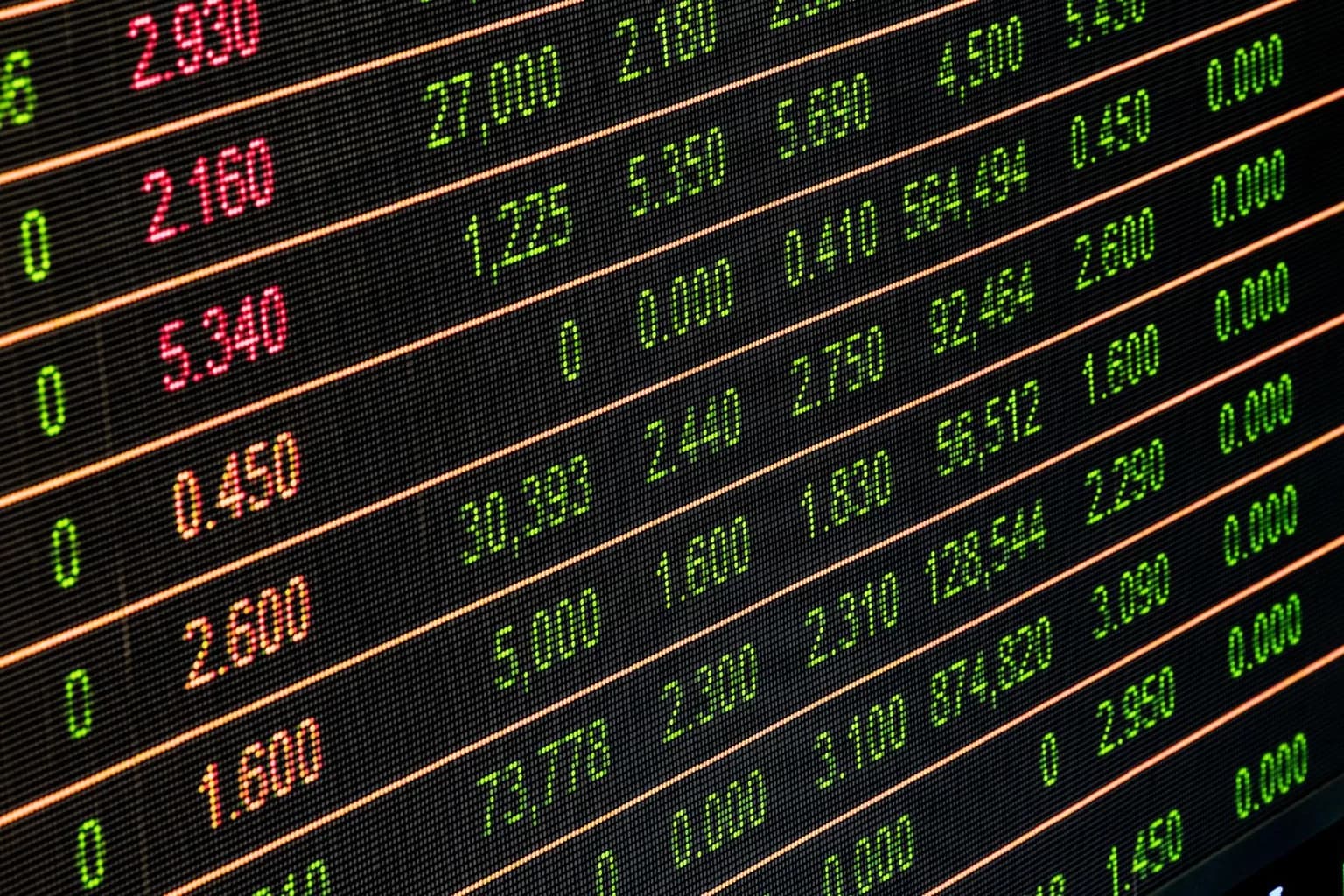
Hong Kong stocks fall to a 19-month low
The drop followed a brutal Friday on Wall Street, where the Nasdaq Composite lost 5.3 per cent and Nvidia plunged 14 per cent. A Hong Kong technology index is now down more than a third for the year.

Equities, indices, earnings moves
The drop followed a brutal Friday on Wall Street, where the Nasdaq Composite lost 5.3 per cent and Nvidia plunged 14 per cent. A Hong Kong technology index is now down more than a third for the year.
A broad technology sell-off wiped out early investor optimism. Protesters outside the debut chanted 'We don't want to die', while William Blair began coverage with an Outperform rating.
The drop came as a wider sell-off pushed the Nasdaq down 5.3% and the S&P 500 into correction territory. Nvidia fell 13.7% after Reuters reported the SEC was investigating its accounting practices.
The Claude chatbot maker raised $81.34 billion by pricing 980 million shares at $83, topping SpaceX's $75 billion flotation in June. Shares briefly valued Anthropic at roughly $2 trillion before closing at around $1.7 trillion, as the broader market fell sharply.
The projection assumes nearly $400 billion in computing infrastructure spending. Goldman values the AI company at roughly $1.4 trillion ahead of an IPO expected to price this week.
The Philadelphia Semiconductor Index plunged 12.2%, with losses spreading across South Korea, Japan, Taiwan and China. Investors worry that Democrats' midterm sweep could tighten restrictions on US data-centre construction, hitting demand for Asian AI hardware suppliers.
The VIX surged 11.75 points to 28.36 on Thursday, its highest since March, as investors dumped AI and chip stocks over fears that Democratic congressional majorities could slow data-centre expansion.
Quarterly earnings beat estimates but handset revenue dropped 26% to $5.14 billion, and the midpoint of the company's earnings guidance for the current quarter came in below analyst expectations.
The Democratic Party's midterm victory sparked a sell-off that wiped a record $2.9 trillion from the S&P 500 in a single day. Investors fear the new Congress will slow the AI infrastructure buildout that has driven tech valuations higher.
Chip stocks led the selloff, wiping out roughly $1.8 trillion in value. Investors worry that Democratic gains in key data-centre states could slow the AI buildout — though JPMorgan analysts say the boom is likely to continue, if more slowly and at greater cost.
Japan's Nikkei dropped 3% and South Korea's KOSPI fell 1.6%. US markets recovered, with the Nasdaq, Dow and S&P 500 all opening higher.
Higher oil prices offset lower volumes after Houthi attacks disrupted the company's pipelines and infrastructure across Saudi Arabia. Brent crude surged more than 40% during the quarter to average over $90 a barrel.
The securities regulator told investment banks to pause new listings and suspend large share sales until markets recover. The move follows the CSI300's worst monthly performance in more than a decade — a fall of 8.5 percent in October.
The Claude developer filed for its US listing on November 2, reporting $33.24 billion in revenue for the nine months to September — up roughly 1,200% year on year — alongside a $104 billion net loss, most of it tied to changes in the fair value of convertible notes. The filing did not disclose the IPO's total size or valuation.
Intel plunged 28.6 percent after its profit forecast disappointed, while Amazon also fell short. The Nasdaq dropped 2.9 percent and the S&P 500 slid 1.8 percent on the day.
The Nasdaq ended October with its worst monthly slide since March 2025 after Alphabet said AI search summaries were hitting its ad revenue and Intel posted its biggest one-day fall since the 1970s. Meta, Alphabet, Oracle, Amazon and Microsoft plan to spend $800bn between them in 2026.
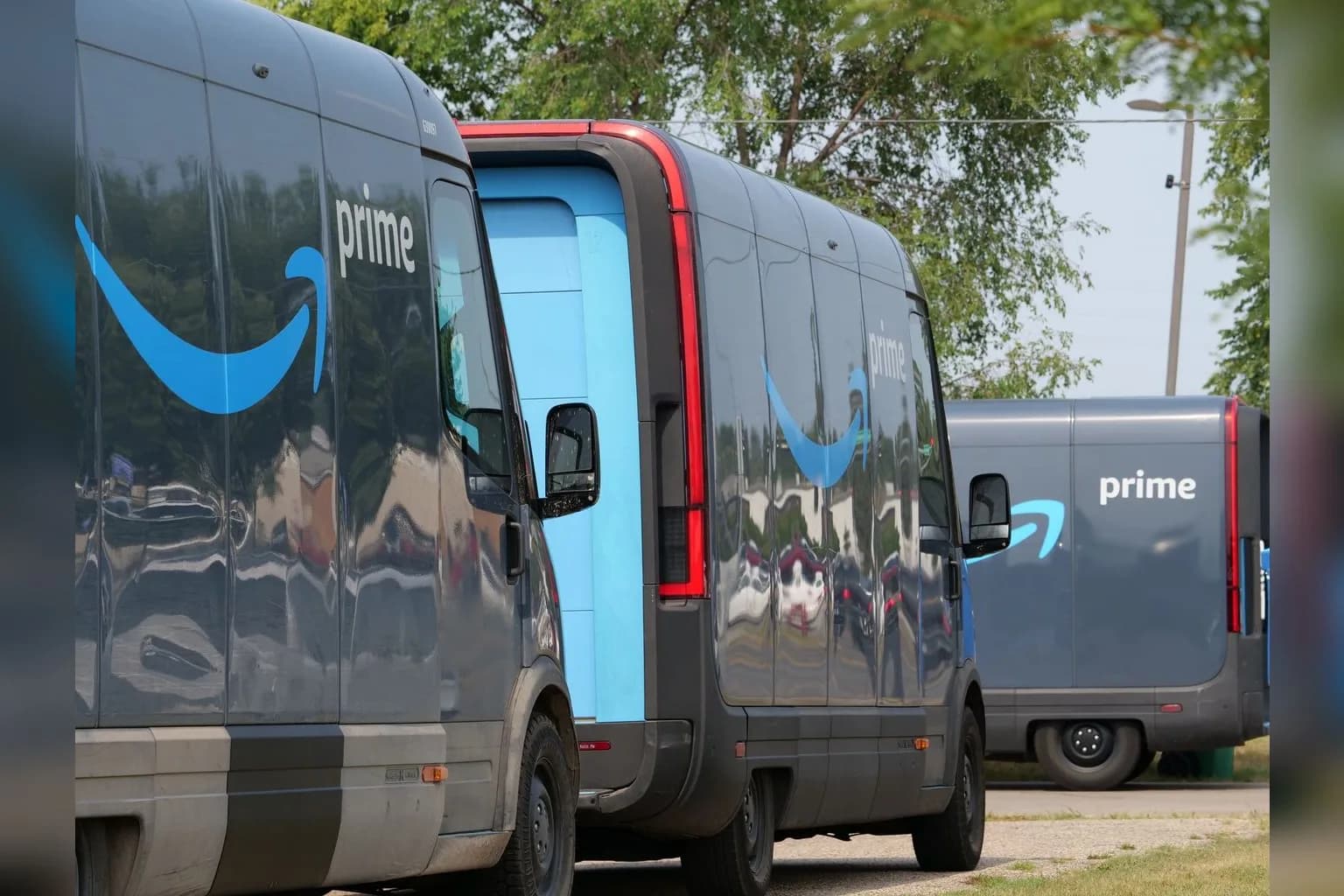
AWS revenue rose 39% to $45.98 billion, beating expectations, but free cash flow over the trailing twelve months swung to negative $42.4 billion. The company said it plans to spend even more in 2027.
Shares fell 12.6% after search revenue grew 12%, below the 15% analysts had expected. Investors were also rattled by plans to spend $200 billion on AI infrastructure in 2026, rising to $300 billion in 2027.
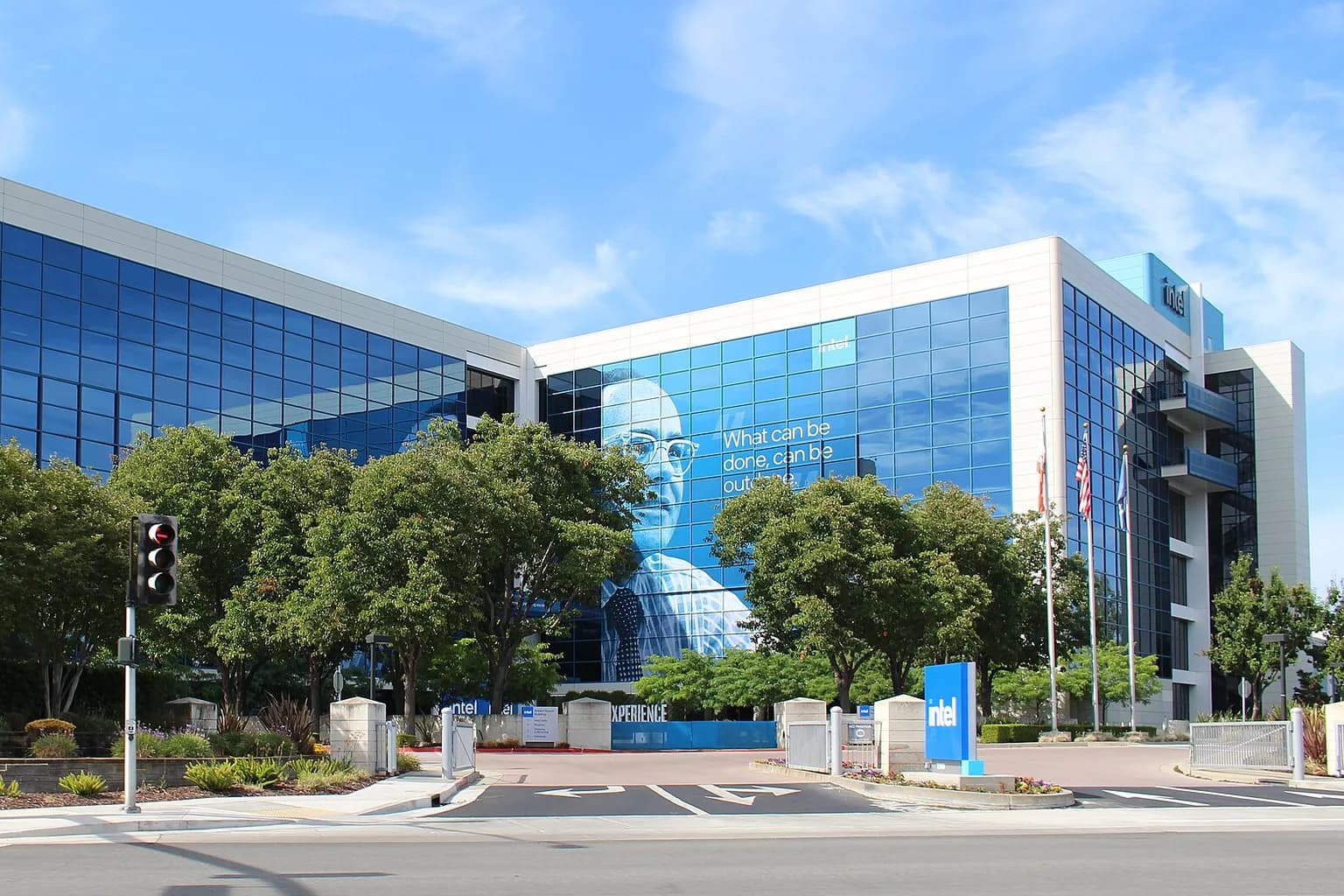
The chipmaker's fourth-quarter outlook fell well short of analyst expectations. Weak PC-chip demand, supply constraints and a fatal explosion at its Israeli fab — which will cost about $600 million in lost revenue — all weighed on the outlook.
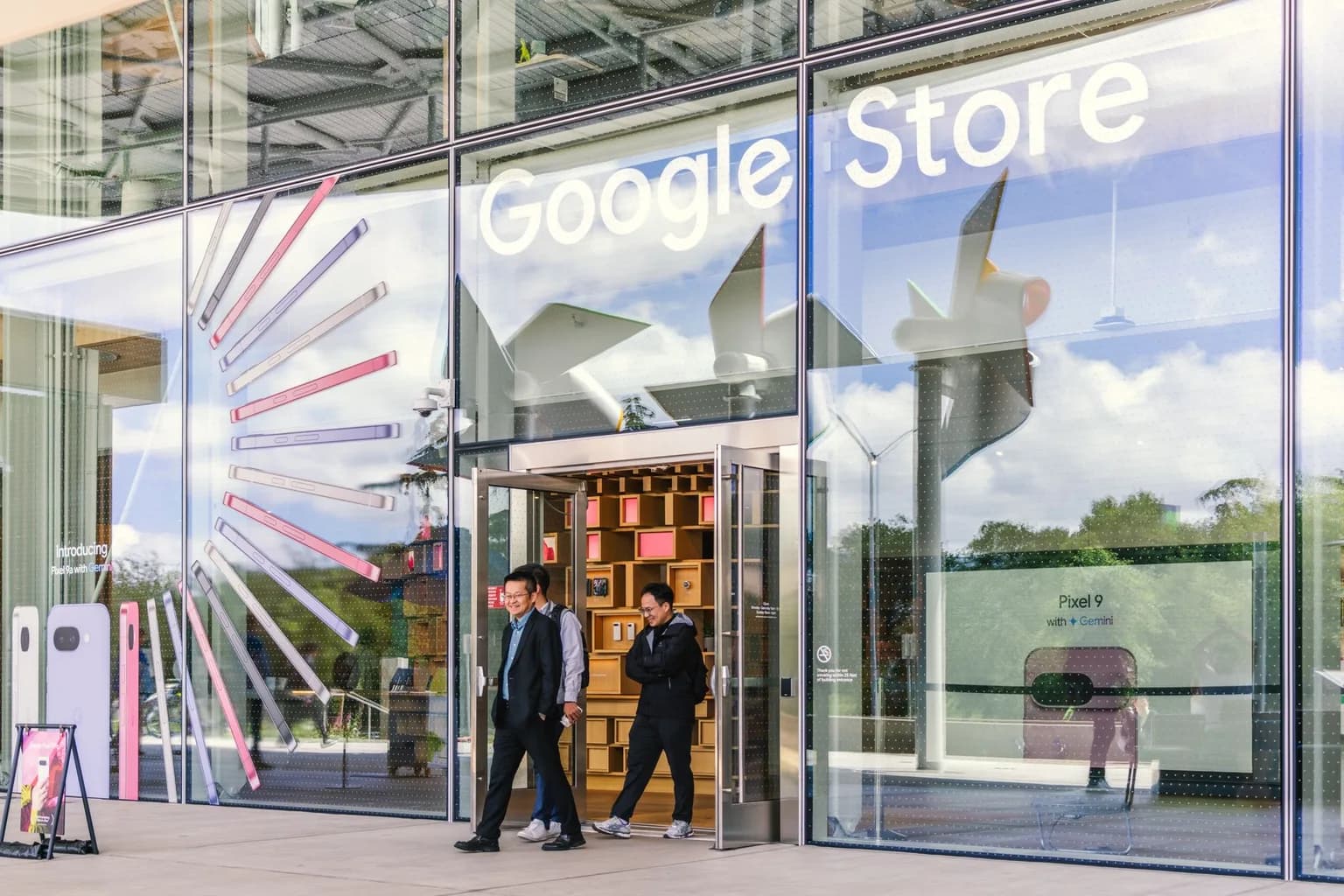
Search revenue grew just 12%, well below the 17% recorded the prior quarter and analysts' expectations. Google Cloud was a bright spot, but free cash flow swung to negative $9.1 billion as capital expenditure hit $51.4 billion.
The company's $51.4 billion AI spending pushed free cash flow to negative $9.1 billion, unnerving investors. Cloud revenue doubled and overall revenue grew 25%, but Wall Street is focused on cash generation — and Microsoft's contrasting results underlined the point.
The listing valued Jio Platforms at $131 billion, making it India's second most valuable company behind its parent, Reliance Industries. The offering drew more than $77 billion in bids — the most subscribed IPO in the country's history.
Revenue rose 26% to $64.60 billion in the third quarter, but free cash flow turned negative as capital expenditure climbed to $72.2 billion in 2025. Investors are watching a full-year capex target of up to $145 billion.
The CSI 300 is now 20% below its June peak, as weak growth and a sluggish property market push investors towards safer assets. Retail investors drive 90% of daily trading in China, making confidence especially fragile.
Capital spending of $34.91 billion outpaced cash from operations, pushing Meta's quarterly free cash flow to negative $2.12 billion. Its shares fell nearly 7%, dragging the Nasdaq down 2.6% — its steepest drop since June.
A strong third quarter — adjusted earnings up 22% to $4.1 billion — wasn't enough to reassure investors. The midpoint of GM's revised full-year earnings forecast came in below analyst expectations, with commodity, logistics and chip costs hitting about $2 billion for the year.
Revenue surged from $1.1 billion to $16.3 billion in a year, but investors face a harder question: the company has committed more than $600 billion to computing infrastructure, with most contracts non-cancellable.
Marches over living costs drew 550,000 people on Saturday before violence broke out, leaving nearly 2,400 arrested. Investors took fright on Monday: the CAC 40 fell as much as 1.7% and French bond yields rose, with a Moody's credit review due on Friday.
The initial report of 21,000 new jobs was revised to a loss of 10,000. Combined revisions to July and August left payrolls 60,000 lower than previously reported, with unemployment rising to 4.3%.
The current estimate stands at 29.6%, but actual growth has beaten forecasts in 37 of the past 40 quarters. If the pattern holds, final growth could reach anywhere from 35.6% to 43.3%.
The 10-year yield touched 5.342% after the Fed's latest rate rise, drawing billions into bond funds. Wealth advisers are divided over whether retirees should switch — dividend stocks have historically held up better in downturns.
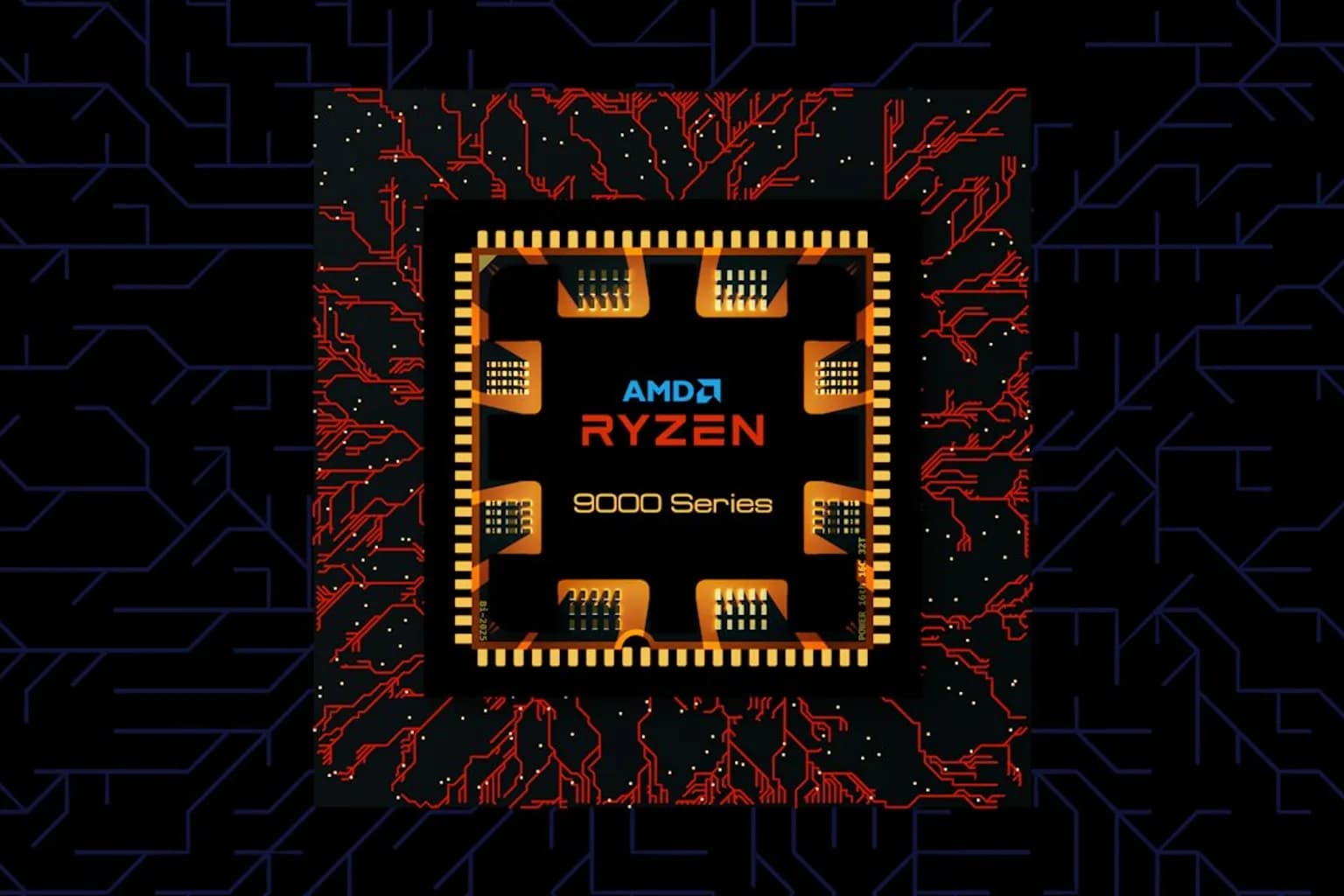
Meta's Muse and OpenAI's Dots both run on AMD's EPYC processors, and Morgan Stanley estimates Muse alone could account for 20% of AMD's 2026 chip sales. The company's data-centre business grew 107% year on year in the second quarter.
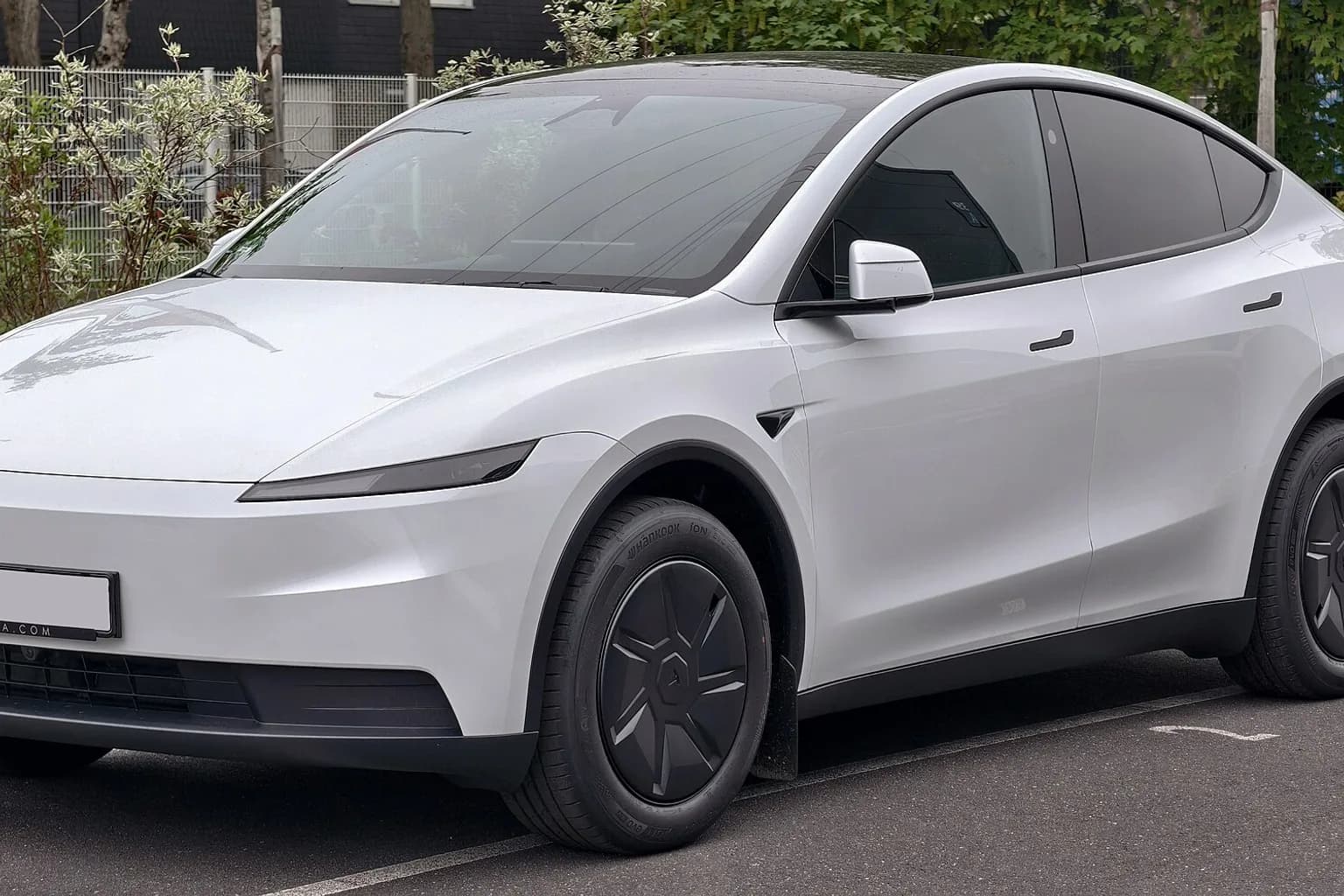
Tesla delivered 486,532 vehicles in Q3 2026, topping analyst estimates but coming in below its own result from the same quarter a year ago. Rivian also posted a strong quarter, with deliveries up 45% year on year after its R2 SUV completed its first full sales period.
The exchange, which handles nearly 90% of global stock index options volumes, has set its share price range lower than investors were told to expect. Options trading on its platform has fallen 27% from its 2024 peak, and several major sellers have cut the size of their stakes in the deal.
FTSE Russell formally upgraded Vietnam from frontier status, a move that could bring up to $8 billion in foreign investment over 12 months. The gains will arrive slowly: inclusion runs in four tranches through 2027, and analysts say much of the early buying had already happened before Monday's effective date.
The country's capital markets regulator blocked withdrawals from seven asset management firms and ordered 130 funds to close. Investors pulled as much as $1 billion from Turkish funds in a single day as the BIST 100 fell more than 5 percent.
The PHLX semiconductor index fell 5.9% on Monday after Anthropic's Dario Amodei warned that AI development was outpacing safety controls, with OpenAI's Sam Altman backing his concerns. Microsoft bucked the trend, rising 2.5% after publishing a provisional AI code of conduct.
Dario Amodei's essay warning that AI agents could take over the entire internet within a year rattled investors. Nvidia, SoftBank and Samsung were among those to record sharp declines.
The chip giant's data-centre revenue more than doubled in a year, and its new forecast for fiscal 2028 is well above what Wall Street expected. CEO Jensen Huang says the only thing holding growth back is a shortage of components, not demand.
India's markets regulator has cleared Mukesh Ambani's digital services giant to raise $3.8 billion in a listing that would surpass every public offering in the country's history. No date or price band has been set yet.
Oura Health is targeting a September listing on a US exchange. The Finnish-American company says it is on track to triple its 2024 revenue this year, reaching $1.5 billion in sales.
The social media company becomes only the second pure social media firm in the benchmark, after Meta. Its stock is still down 31% this year, weighed down by fears that AI is eating into its Google search traffic.
The server maker's guidance came in more than $12 billion above analyst consensus — and its near-term outlook beat even the most optimistic individual projection. A record order backlog from AI data centre customers explains much of the confidence.
With margin debt at an all-time $1.5 trillion, the Buffett Indicator near 218%, and the Fed expected to hold or hike, the conditions growth stocks require and the conditions that actually exist have rarely been further apart.
Type at least two characters.