

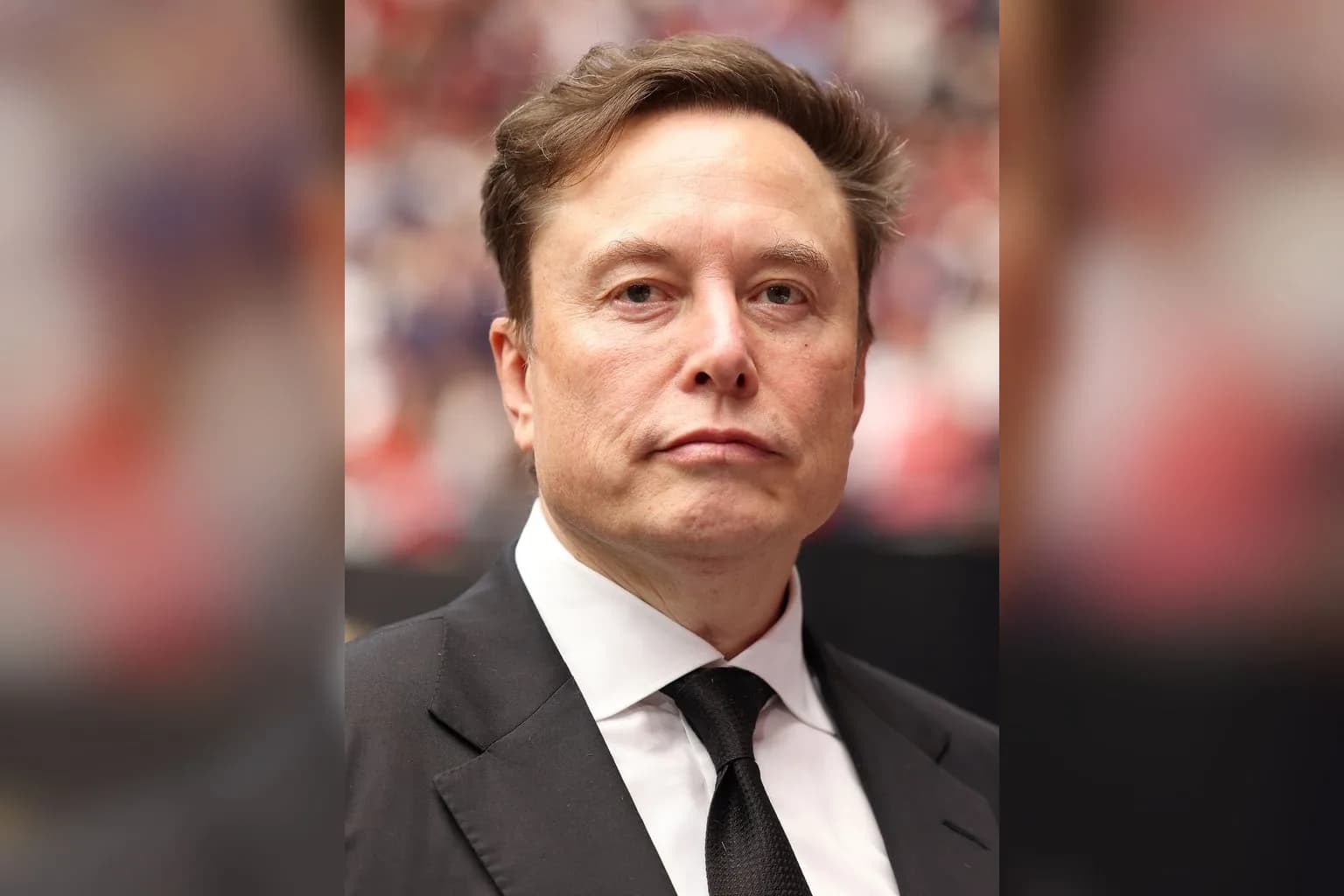
In 2022, Elon Musk ordered SpaceX staff to cut Starlink coverage in Ukrainian areas being retaken from Russian forces, an action that surprised White House officials. Musk, SpaceX’s founder and chief executive, later refused a Ukrainian request to activate the network over Sevastopol to support an attack on Russia’s fleet, saying he feared becoming complicit in a major act of war.
That episode was one part of a wider pattern in which both the Biden and Trump administrations repeatedly approached SpaceX about turning Starlink service on or off in several countries, according to six former senior US officials. The requests concerned Ukraine, Iran, Yemen and Lebanon, and involved efforts to support military operations, deny communications to armed groups and widen access for protesters.
Ukraine’s access has also been subject to restrictions from within the US government. Reuters reported that an order to throttle Starshield access came from the White House. President Volodymyr Zelenskiy said the limitation had been deliberate and had affected the performance of Ukrainian military drones.
Musk said in a social media post: “Starshield systems are owned and controlled by the US government. Any limits on speed or usage are decided by the US military and ultimately (by the president of the United States)”.
Halyna Yusypiuk, a spokesperson for the Ukrainian embassy in Washington, said Ukraine’s priority was “to have the service restored to normal speed as soon as possible, as the lives of our people depend on it”.
The Biden administration’s requests extended beyond Ukraine. It sought to have Starlink activated inside Iran during the protest movement that began in September 2022 after the death of Mahsa Amini, and terminals were moved into the country with the administration’s help.
US concerns ran in the other direction in Lebanon and Yemen. During fighting in southern Lebanon in October 2023, intelligence officials told the White House that people linked to Hezbollah could have gained access to Starlink terminals. Officials raised similar concerns in 2024 during a US air campaign against the Iran-linked Houthis in Yemen.
In each case, the administration contacted SpaceX and asked it to identify and disable the terminals. At least some terminals were deactivated.
The Trump administration also discussed bringing terminals into Iran and activating them after US-Israeli strikes in June 2025 and again in February 2026. The Wall Street Journal reported in February that the US government had sent thousands of Starlink terminals into Iran.
Trump said he had not spoken with Musk about Starlink access issues for Ukraine. “If there is a problem, I’ll get it straightened out,” he said.
The arrangements leave a private satellite company at the centre of choices over communications in conflict. Democratic US Representative Jason Crow said: “Unelected billionaires and private corporations should not decide what is in the best interest of America’s national security”.
A satellite industry consultant described Musk as “essentially making huge foreign policy decisions”.


Comments (0)