

Russia had begun fitting jet engines to its Shahed attack drones in early summer 2026, and Ukraine’s interception rate against them fell from more than 90 per cent to about 60 per cent.
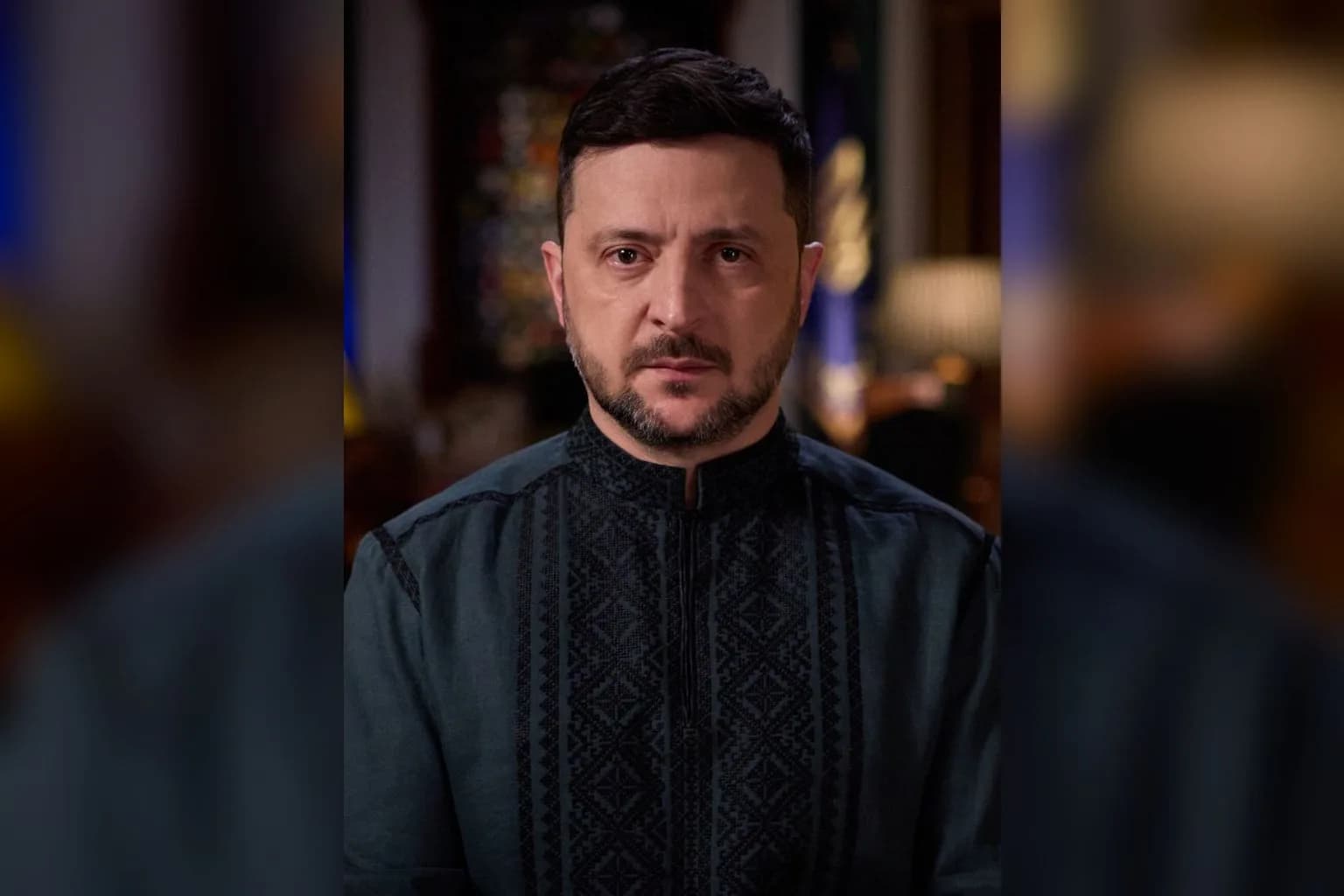
Then, as Russia fired 39 ballistic missiles and more than 120 drones at Ukraine’s power grid on the night of 13 to 14 October, Ukrainian Starshield terminals travelling faster than about 160 km/h lost service without warning, according to Serhii Beskrestnov, President Volodymyr Zelenskyy’s adviser on defence technology. The attack cut electricity to at least 600,000 people and killed three people in Kyiv.
Ukraine said on Saturday that those links are working again. Defence minister Yevhenii Khmara said the country had regained a stable connection to the Starlink and Starshield satellite systems, which Ukraine’s defence ministry monitoring systems recorded at speeds exceeding 400 km/h. He said the restoration mattered for the front line, soldiers, drone operations, logistics and communications.
The restrictions began on 14 October and lasted for more than a week. They held Starshield speeds to approximately 160 km/h or less, preventing drones from operating effectively, Ukrainian officials said.
Ukraine relies on Starlink and Starshield to pilot drones and conduct military operations inside the country. Its military also uses a network of 10,000 low Earth orbit satellites extensively in its operations.
Ukrainian officials said the limits weakened efforts to intercept Russian attack drones and disrupted communications at the front.
Russia launched more than 850 drones across Ukraine overnight on 14 to 15 October, Zelenskyy said. Ukraine’s Air Force stopped 536 of them, though there were impacts at 31 locations and Russian drones killed three people in Kirovohrad region.
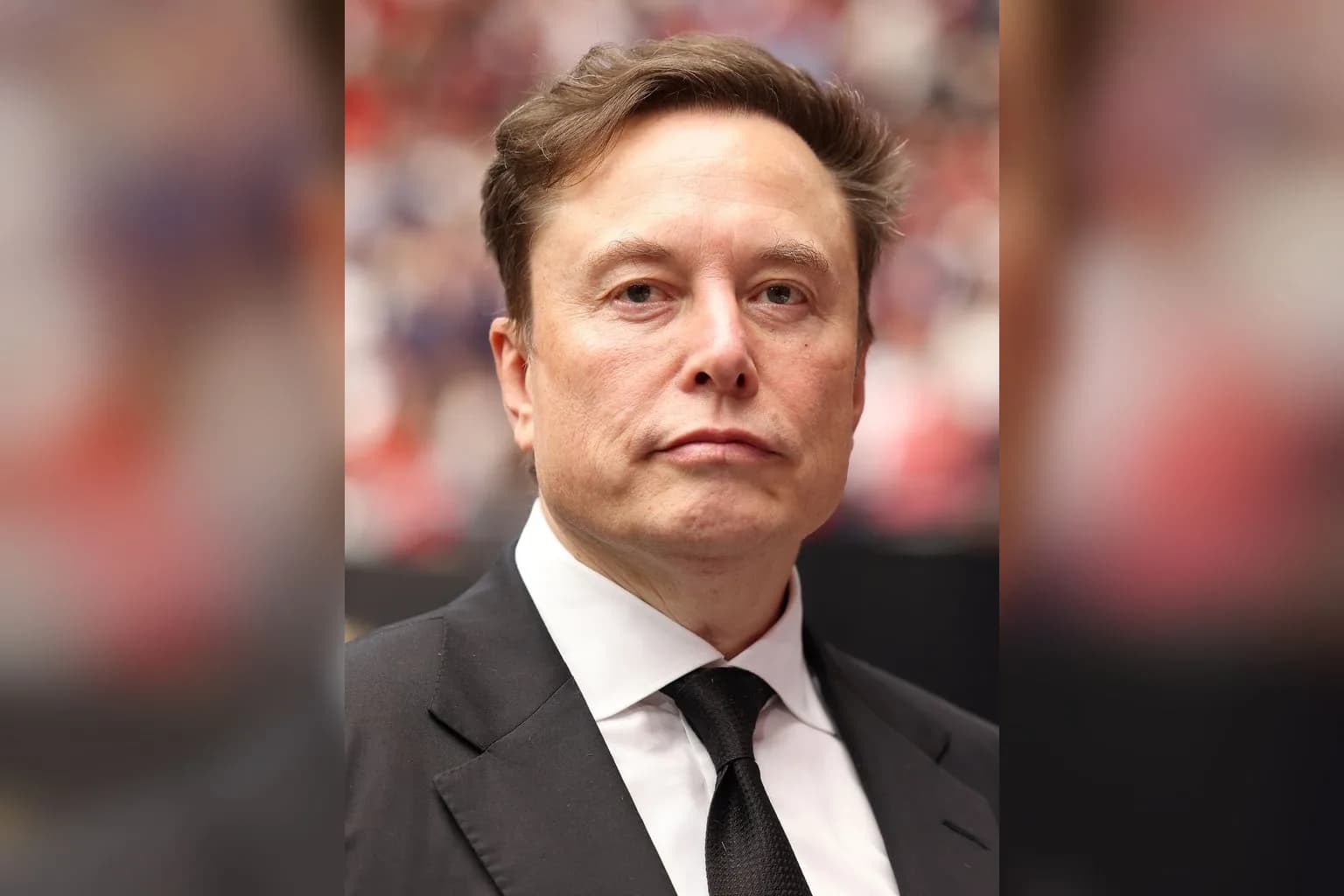
The cause of the slowdown remains disputed. Ukraine accused US President Donald Trump last week of telling Starlink owner Elon Musk to impose the limits.
Reuters reported that an order to throttle Starshield came from inside the White House. The Wall Street Journal reported that Musk ordered the Starlink slowdown in Ukraine.
Musk, SpaceX’s chief executive, personally proposed slowing Ukraine’s military Starshield service in a direct approach to Trump, according to four sources who spoke to The Telegraph. On 14 October, Musk wrote that Starshield was owned and controlled by the US government, and that the US military and ultimately the president decided any speed or usage limits. He denied ordering the slowdown.
Trump told reporters on 16 October that he did not believe he or Musk was responsible for the restrictions. Neither Musk nor the US government has publicly acknowledged responsibility for restricting Starlink or Starshield in Ukraine.
The disruption came as the US administration pressed Kyiv to stop striking Russian oil refineries. Trump had announced a deal to buy Russian diesel and waived new sanctions on Moscow.
Zelenskyy said the US had threatened to withdraw intelligence sharing if Ukraine did not halt those refinery strikes. On 16 October, he said earlier Starshield speed limits had yet to be restored.
Trump said on Thursday that Musk had “put it back”. On Friday, he said he would “get it straightened out” if Ukraine continued to face problems accessing the communications systems.
By Saturday, Ukraine’s defence ministry said its monitoring showed a stable connection and speeds above 400 km/h. The service has been restored, while responsibility for the earlier limits and the reason for their removal remain unresolved.

Comments (0)