

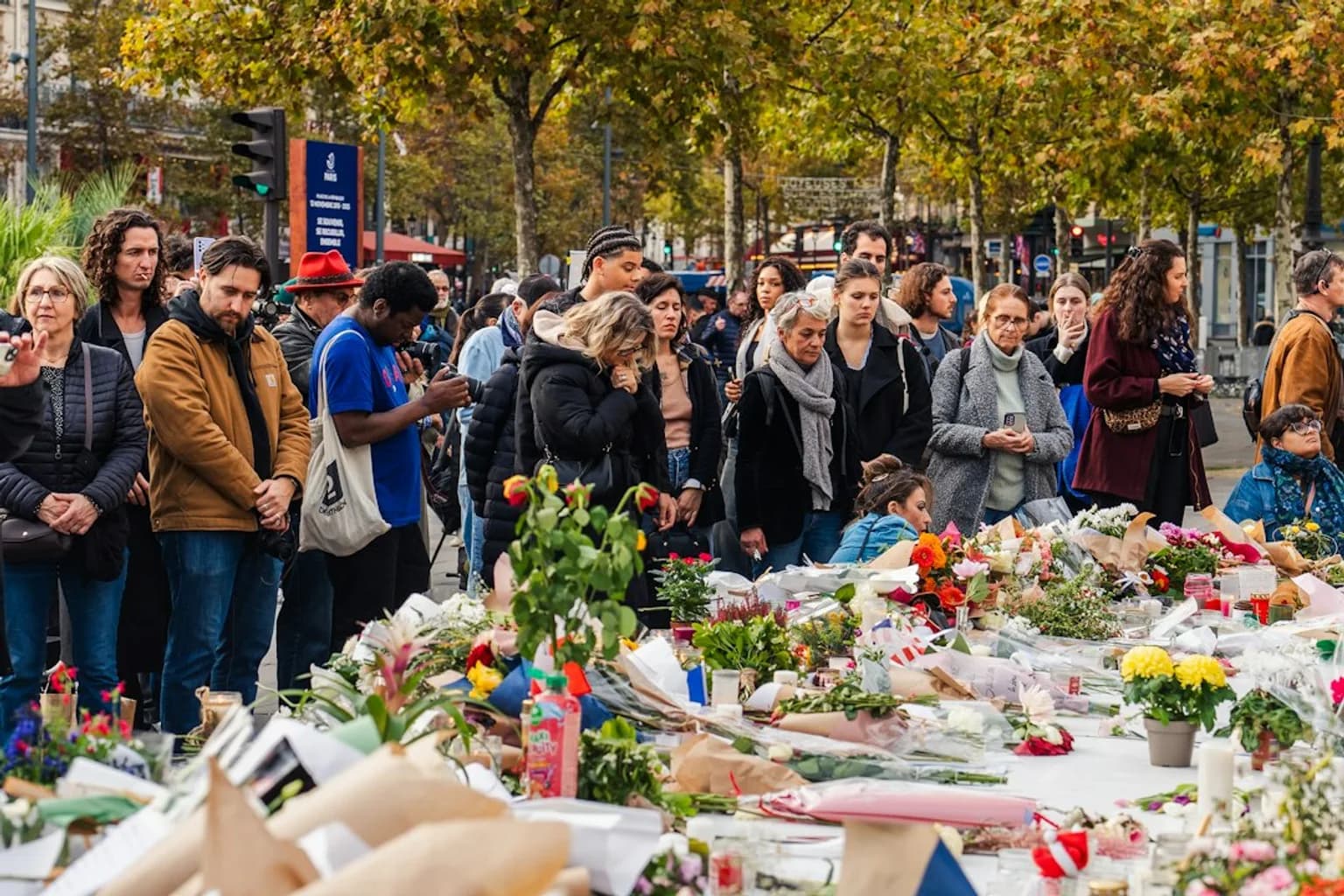
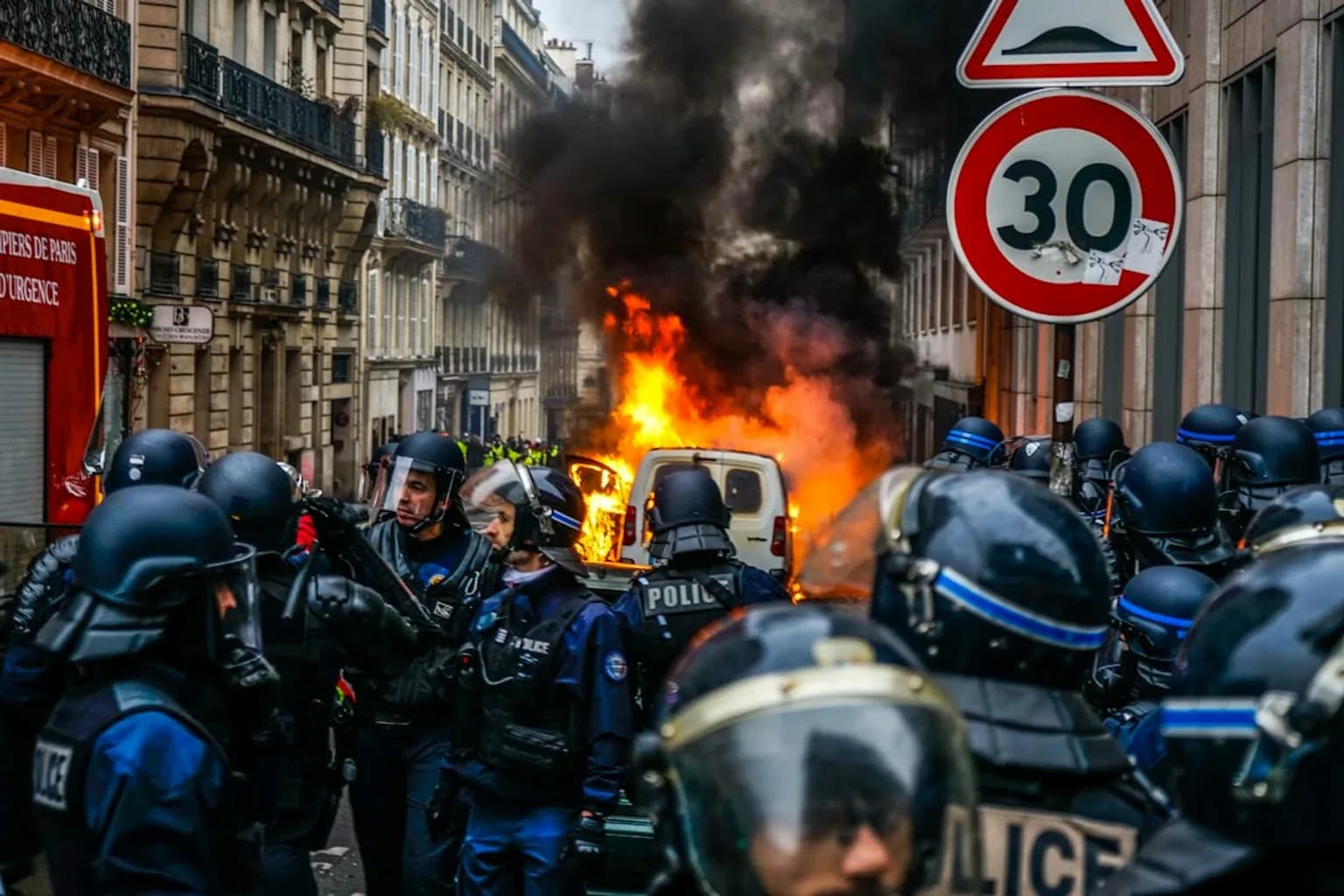
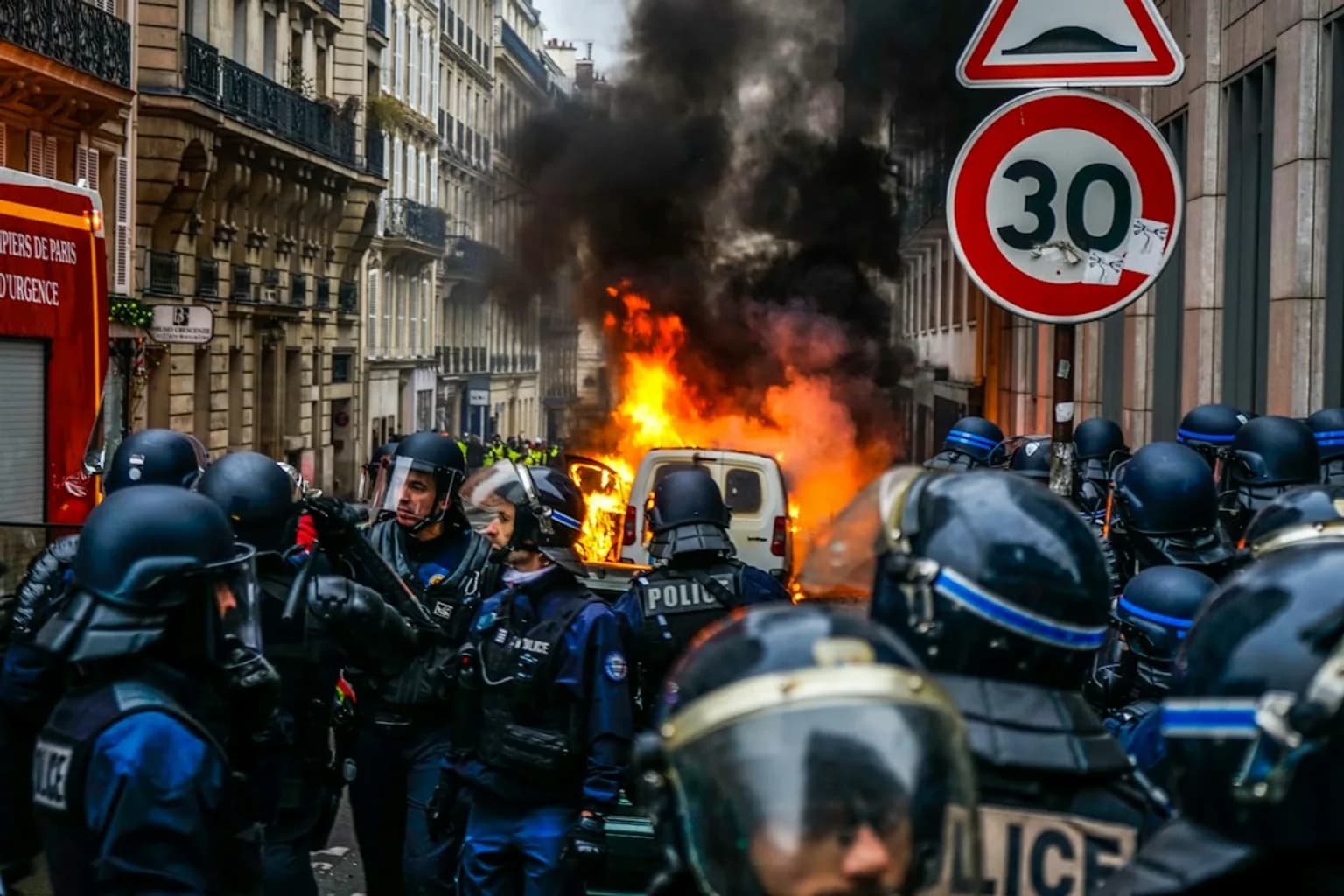
At 12.20 pm on Place de la République in Paris, tear gas and grenade blasts began nearly two hours before a planned march. October 17 went on to become one of France’s worst days of urban violence in recent years.
The protests had begun over student living conditions. Interior Minister Laurent Nuñez had expected 150,000 demonstrators, yet Libération reported turnout was five times more than that forecast.
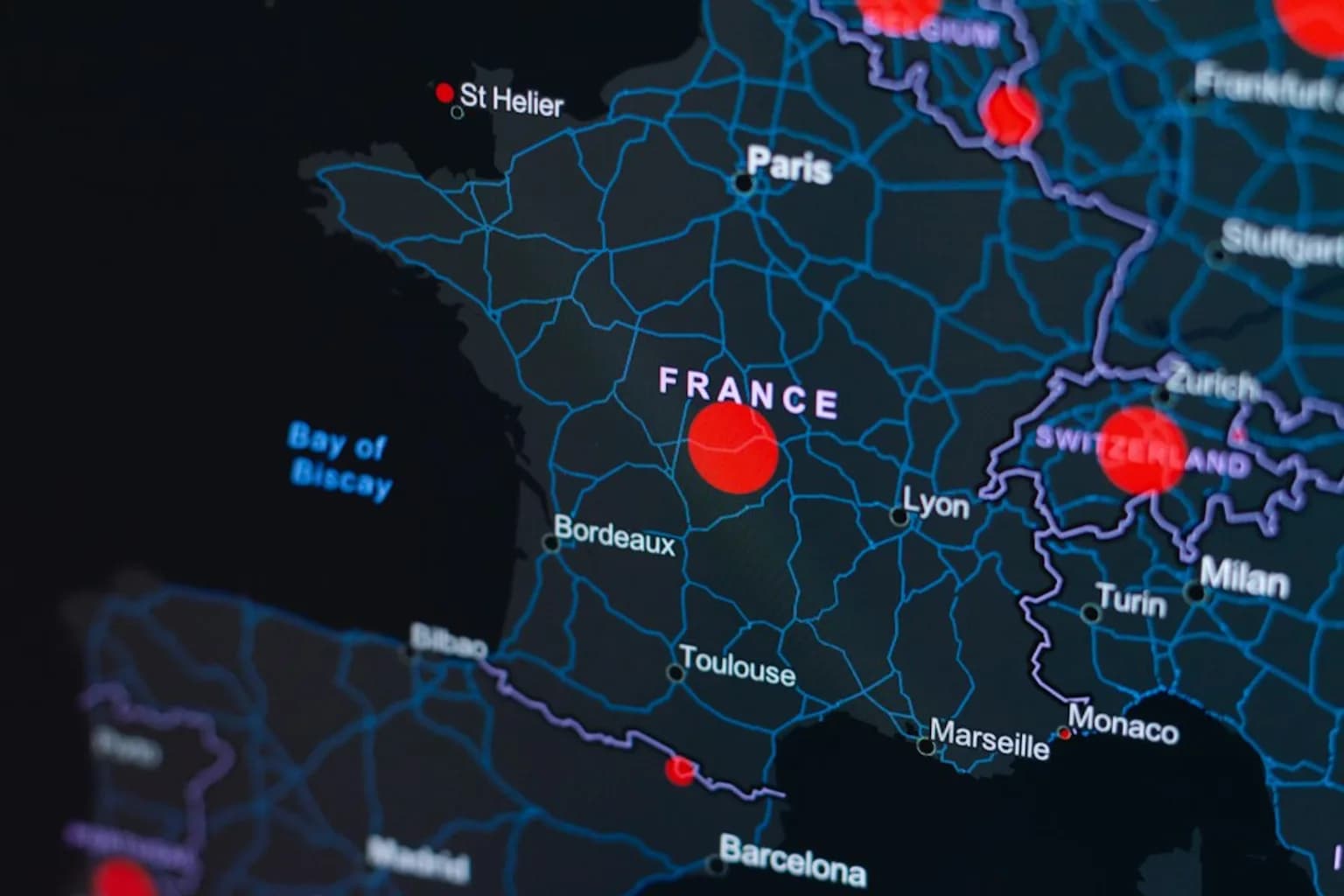
Looting and rioting then spread across France over the weekend. Gatherings in Marseille and Bordeaux descended into chaos within minutes, while clashes also broke out in Clermont-Ferrand.
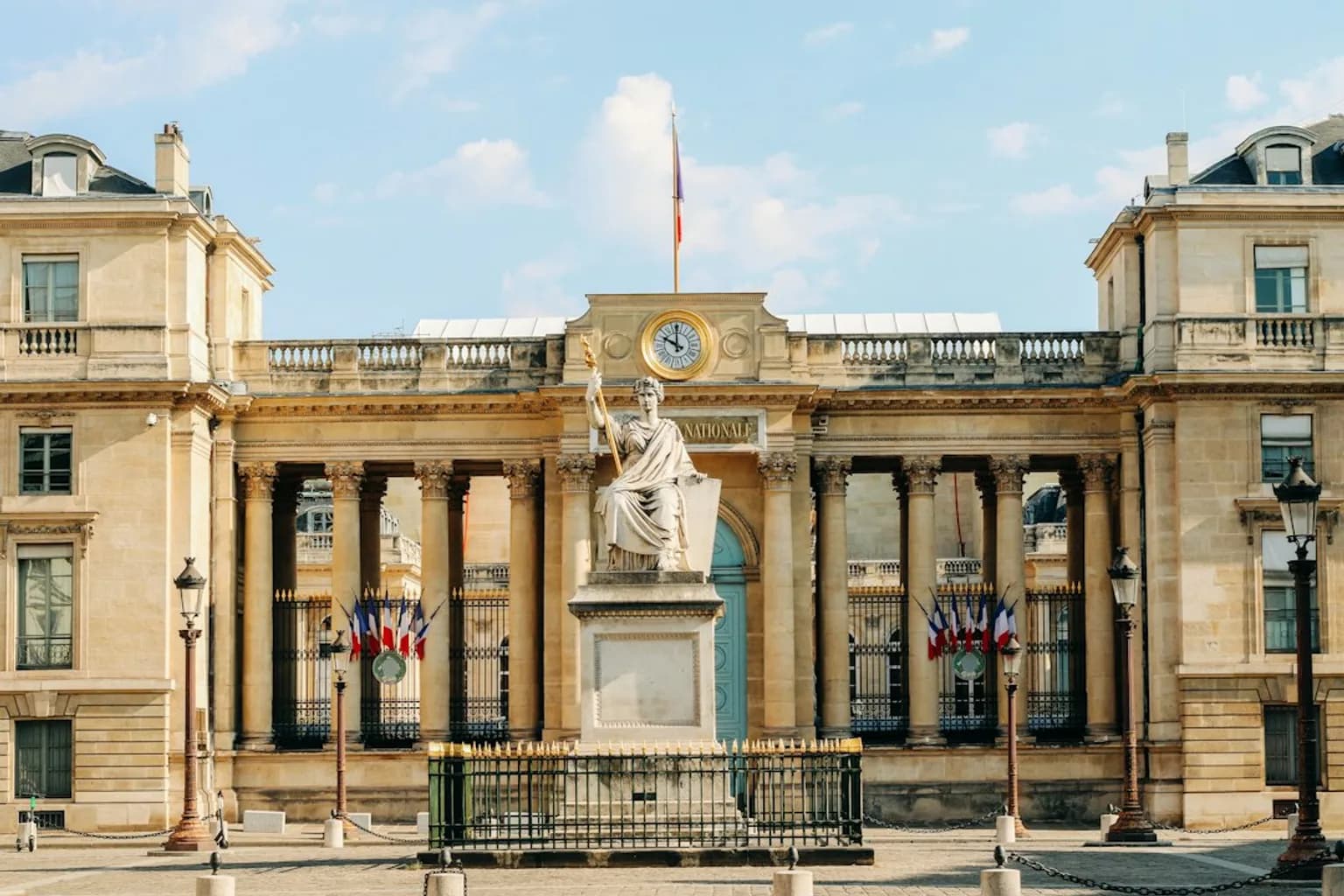
The immediate conflict is between public anger that first found expression in school protests and a government now seeking to restore control. The longer political question is whether the response will shape a presidential contest whose leading figures are already claiming the unrest as proof of a wider failure.
On Sunday, President Emmanuel Macron said people who had ‘destroyed’ things would have to pay the price. He departed for the Middle East on Monday.
Later on Monday, Prime Minister Sébastien Lecornu announced localised curfews, movement restrictions and bans on public demonstrations.
The measures leave key details unresolved, including how long the restrictions will remain in force. Another day of demonstrations has been announced for next Saturday.
Marine Le Pen, the far-right front-runner in the presidential race, delivered a sober address on Sunday and presented herself as the candidate of a ‘pacified France’.
Jordan Bardella, president of the National Rally party, was blunter at a press conference in Paris. “The authorities are collapsing,” he said of the rioters.
On the left, Jean-Luc Mélenchon, 75, is widely tipped to face Le Pen in a 2027 runoff. A Cluster 17 poll for POLITICO described him as among France’s most commonly ‘rejected’ politicians, while his France Unbowed party had supported the school protests before the weekend’s riots.
Raphaël Glucksmann won the Socialist Party primary earlier this month to become the centre-left’s presidential candidate. His poll ratings stand at 15% to 16.5%.
The disruption has also reached the commercial and financial spheres. Representatives of the French business community met the government in a crisis meeting after widespread looting, while the tourism sector voiced fears of a drop in winter holiday bookings.
Bond and currency traders sold French debt and the euro as markets reacted to the unrest.
France is accustomed to waves of unrest that erupt every few months under differing pretexts, including football, New Year’s Eve and protests. This episode began with student living conditions, then became a broader test of authority with an election ahead.
Comments (0)