

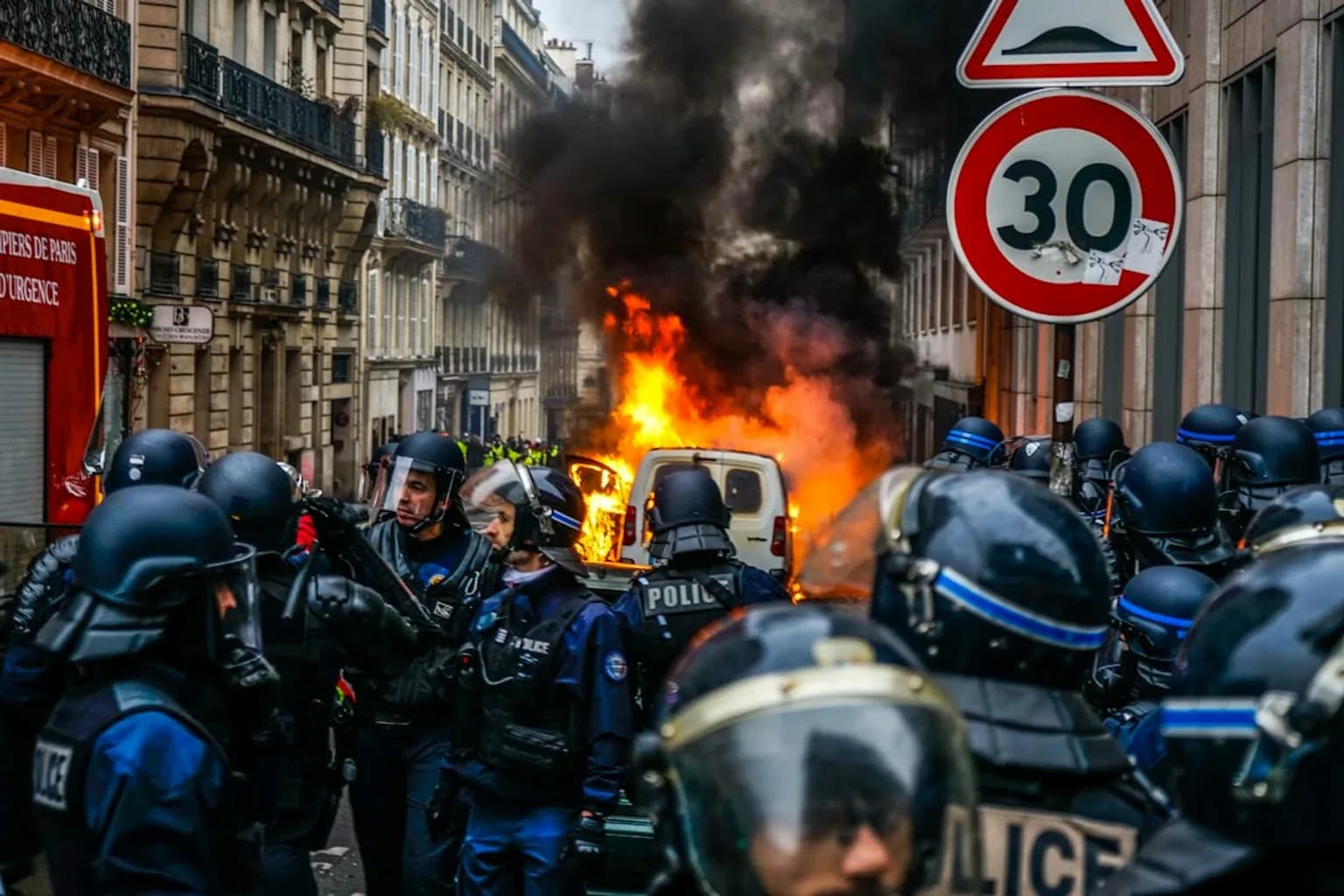
Protests that began last month in high schools in Paris’ working-class northern suburbs widened from complaints over teacher shortages and shabby facilities into a broader movement over the cost of living and public services. By Saturday, 17 October, France was facing some of its worst unrest in years.
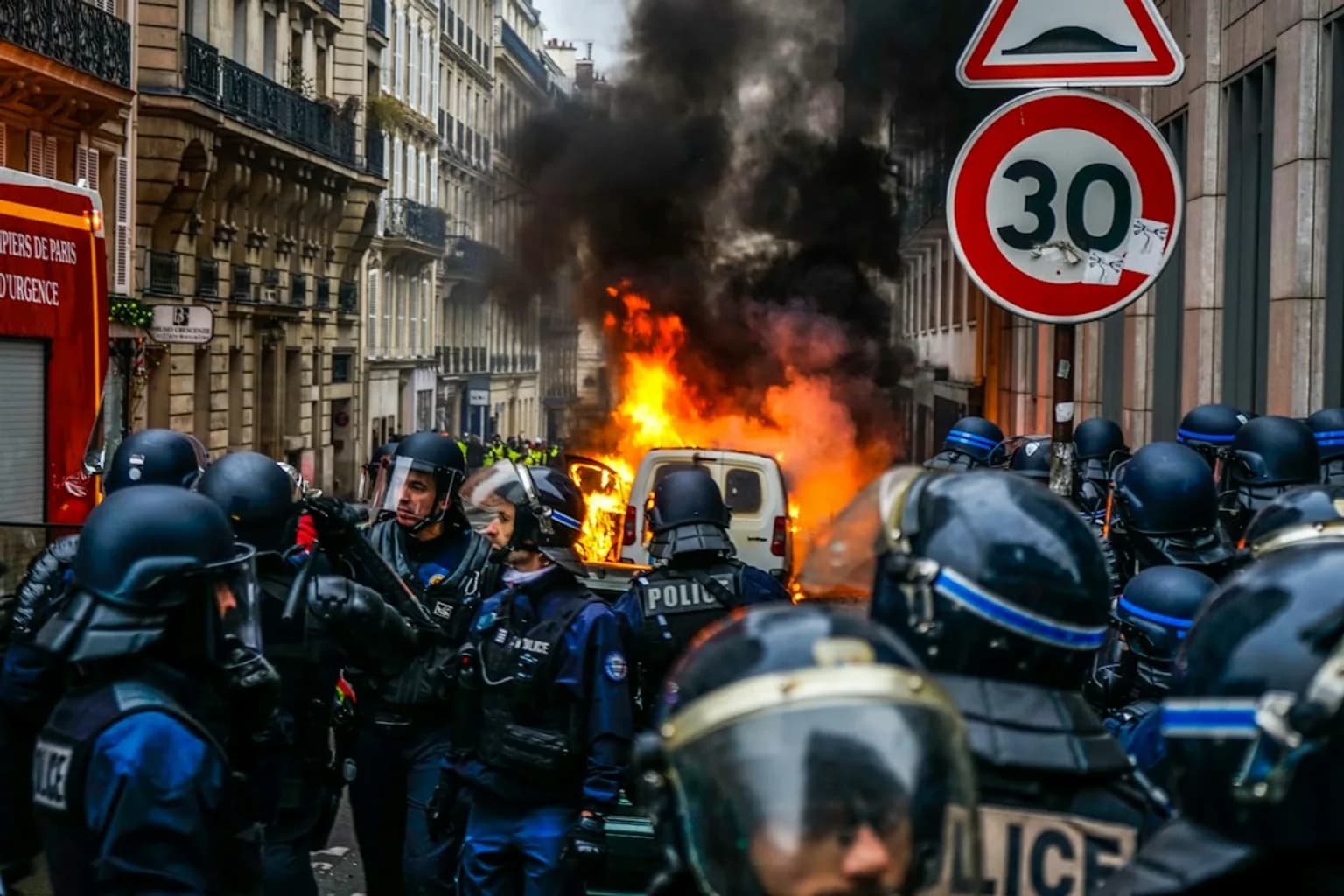
Some 550,000 people took to the streets as demonstrations across the country descended into riots and looting. Limoges town hall was torched, while more than 3,000 shops were pillaged or damaged. Some 2,400 people were arrested during the weekend and 1,000 police officers were injured in the clashes.
A capital A within a black circle appeared on many buildings across France, a symbol used by anarchist groups. Allegations of police brutality also emerged after the riots.
The government has said far-left groups planned some of the violence. On Tuesday, Prime Minister Sébastien Lecornu described “insurrections” planned by “small far-left and ultra-left groups”.
French intelligence had earlier briefed government circles that left-wing anarchist groups were involved in the student protests. A report dated 29 September set out what it called the “manipulation” of student demonstrations by student unions and political movements aligned with the radical left.
The report suggested that La France Insoumise, the far-left political movement known as LFI, was relying on violence as an electoral strategy ahead of the 2027 presidential elections. LFI denies that allegation.
French reports, however, described the mass looting of what was said to be over 3,000 shops and businesses as largely opportunistic. The available accounts leave the extent of planning by political groups and anarchist organisations unresolved.
Jean-Luc Mélenchon, the far-left political leader, joined Saturday’s planned protest. He has backed protesters’ demands and criticised the government’s handling of the crisis, while facing pressure over his failure to clearly condemn the violence. Mélenchon is running in second place in most polls ahead of centrist candidates.
The government has also faced questions over its preparation. Laurent Nuñez, the interior minister, said there were too few officers on the streets even though the nationwide protests had been publicised well in advance. He accused the hard left of “pouring oil onto the fire”.
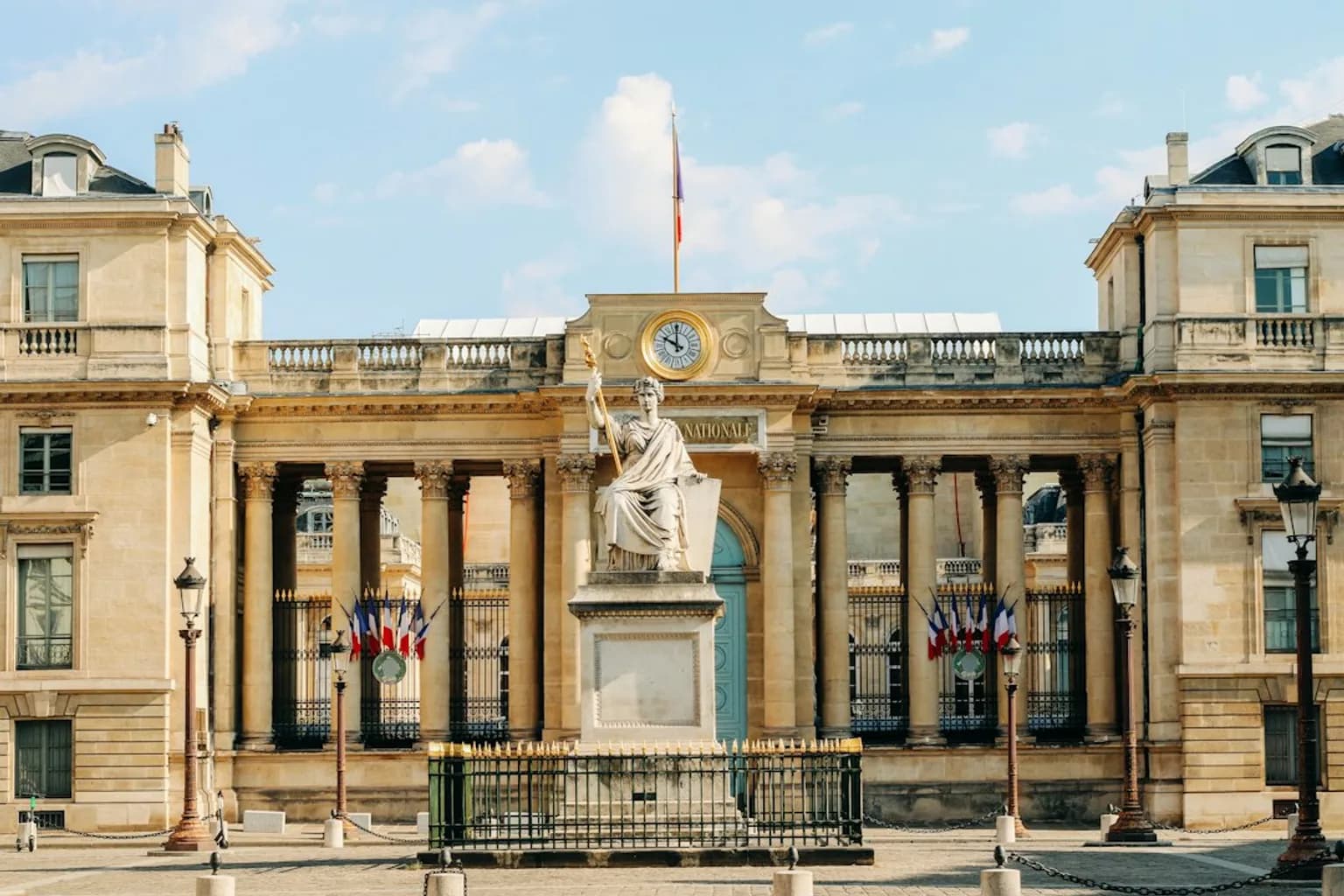
On Monday, 19 October, mayors of France’s biggest cities demanded answers from the government, saying it had failed to prepare adequately. Yaël Braun-Pivet, president of the National Assembly, proposed a parliamentary inquiry into the riots and how they were organised.
The argument has extended to social media. Gabriel Attal, the former prime minister, called for selected social media blackouts to contain further violence. Bernard Quintin, Belgium’s interior minister, warned on Tuesday of the “TikTokisation” of violence.
The political consequences are being weighed with the presidential election six months away. Marine Le Pen, the far-right National Rally candidate, is already well ahead in opinion polls and issued a video address on social media on Sunday that was presented in presidential terms. Commentators have said the unrest means she no longer needs to spend campaign money.
France enters that contest with national debt at 119% of GDP, its highest level since 1946. For now, the immediate dispute is over responsibility: whether the violence was planned by political and anarchist groups, amplified through social media, or driven in large part by opportunistic looting.
Comments (0)