
Quentin Leviloux, a 21-year-old protester in Nantes, described the pressure that brought him onto the streets in direct terms. “Why am I here? Well, quite simply, I find the current cost of living truly terrifying.”
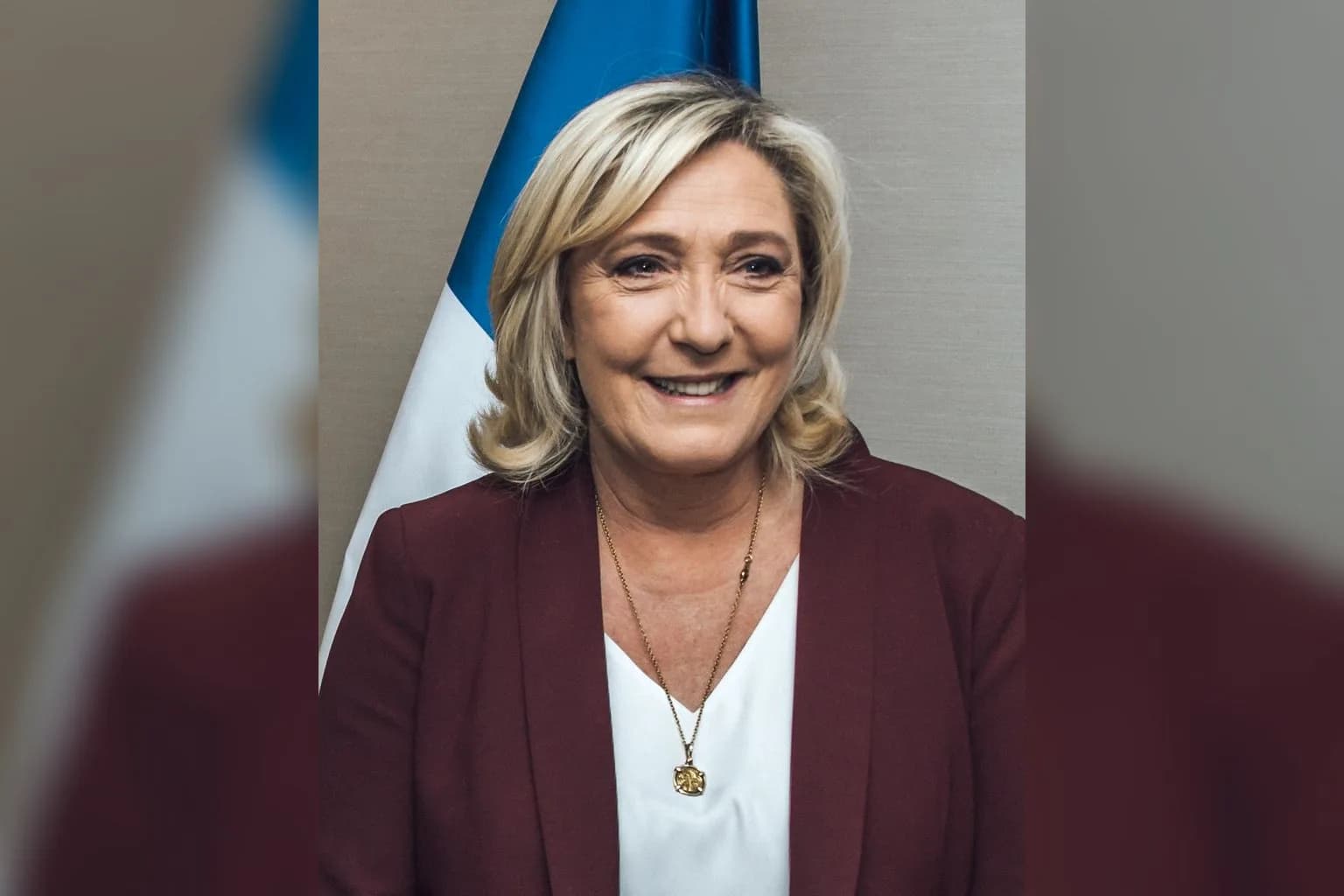
The anger has become a political opportunity for France’s far-right National Rally. Marine Le Pen, the party’s leader and presidential frontrunner, and its president, Jordan Bardella, have blamed the centrist government for being “soft on crime” and promised to “restore order” after a weekend of riots.
The immediate economic backdrop began with the US-Iran war, which erupted in February and sent energy prices sharply higher across Europe. Gas prices have jumped about 140% and diesel prices have doubled.
The European Commission estimates that the Iran conflict has cost Europe roughly €100 billion ($112 billion) through disrupted trade and energy markets.
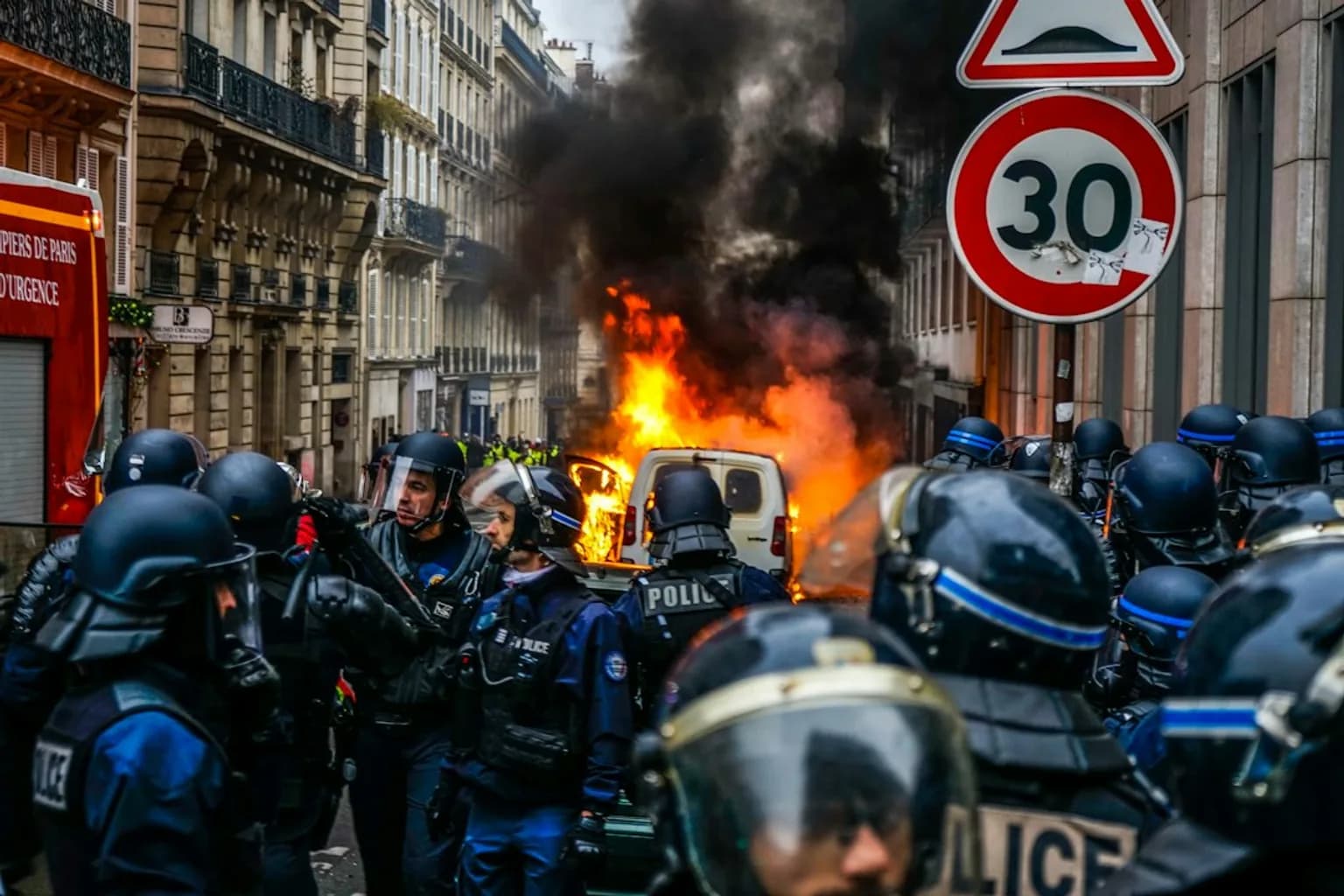
Demonstrations that began over deteriorating school facilities in Paris’ northern suburbs grew into some of the country’s worst unrest in decades. Limoges’ 19th-century town hall was set on fire, Marseille’s city hall was vandalised and a tourist office in Lyon was targeted in an arson attack. Shops were looted and buildings torched in several cities.
Groups of black-clad, often masked agitators attacked government buildings and shops across the country. In Paris, police used tear gas and water cannons during confrontations with protesters. Demonstrators broke into the mayor’s offices in Marseille before police intervened, and some people stole goods including wine and electronic devices.
French authorities imposed overnight curfews in several cities on Monday in an effort to contain the violent cost-of-living protests.
Bardella went to a police station in central Paris on Sunday to show support for officers.
“We are paying for decades of being soft on crime, of weak authority, of the moral, psychological, and material disarmament of our internal security forces”, Bardella said.
He urged voters to make a political choice in the coming contest. “People need to wake up now. They need to make the right political choices, and in any case, we stand ready to restore order in the country.”
Le Pen is the clear favourite for the April 2027 presidential election. Her ratings have improved since the Iran war began while President Emmanuel Macron’s have slipped, according to polling by Elabe.
Her proposal for a sharp cut in value-added tax on fuel has attracted broad public support. Gilles Ivaldi, a political scientist at Sciences Po, said: “Rising fuel prices are clearly an issue that boosts Marine Le Pen”.
Ivaldi described purchasing-power concerns as “a major driver of populist politics” across Europe. Rising fuel costs are also feeding cost-of-living protests and strengthening the far right before elections next year in countries including France, Italy and Poland.
The National Rally has long presented itself as a defender of public order and has advocated expelling unauthorized immigrants. It is now using the riots to reinforce that case six months before the next presidential election.
Macron has acknowledged the “legitimate demands” of people protesting over rising living and fuel costs, while condemning violence and looting.
The government has also faced criticism over its response. Interior Minister Laurent Nuñez offered his resignation, but Macron asked him to stay and instructed him to ensure transparency over failures in planning and intelligence, while introducing measures to restore order.
The centrist government has accused the main far-left party of encouraging violence. The main far-left party has blamed years of poor governance and forceful policing, which it said had fuelled public anger.
A writer for Le Monde said the unrest had “fueled the rise of parties built around radical stances”.
Comments (0)