

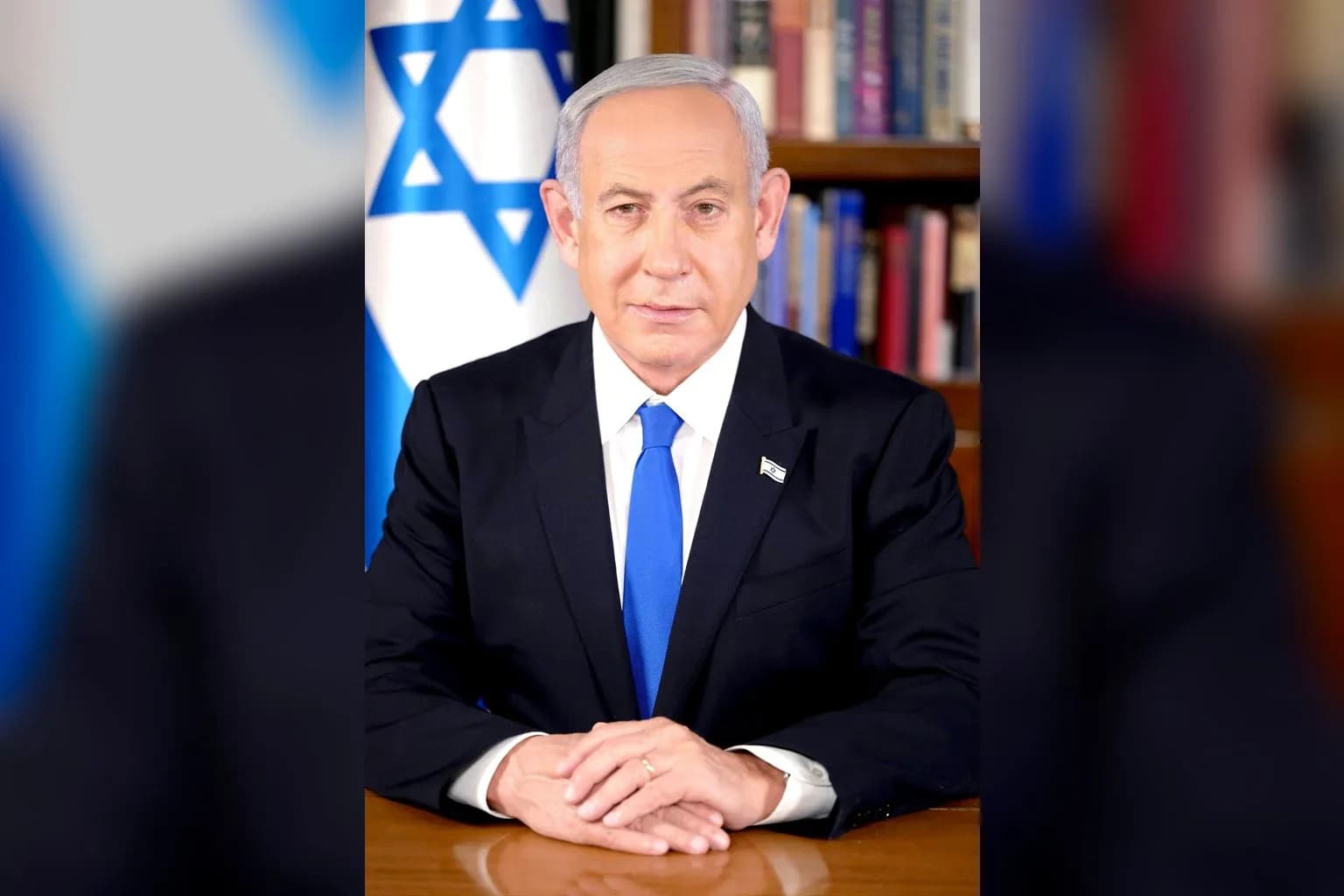
Gadi Eisenkot met former Prime Minister Naftali Bennett on Thursday as he tried to find a route to government from an election in which neither of Israel’s main blocs won a majority. Eisenkot also met Yair Golan, the Democrats party chairman and the only member of the opposition alliance to favour a coalition with parties led by Palestinian citizens of Israel.
Benjamin Netanyahu’s bloc held 53 seats in the 120-member Knesset after more than 99 percent of Tuesday’s ballots had been tallied. Eisenkot’s opposition bloc secured 48 seats. Arab list parties held 19 seats between them, while 61 are required for a majority.
The figures put Netanyahu’s Likud ahead, while leaving both leading blocs short of the numbers needed to govern. They also give Arab parties potential leverage over the next government.
Israel held the election on 28 Oct 2026, its first since the October 7, 2023, attacks on southern Israel and the start of Israel’s war on Gaza. About 77.7 percent of eligible voters cast ballots, the highest turnout in a Knesset election since 1999.
Arab Israeli voters turned out in soaring numbers against Netanyahu.
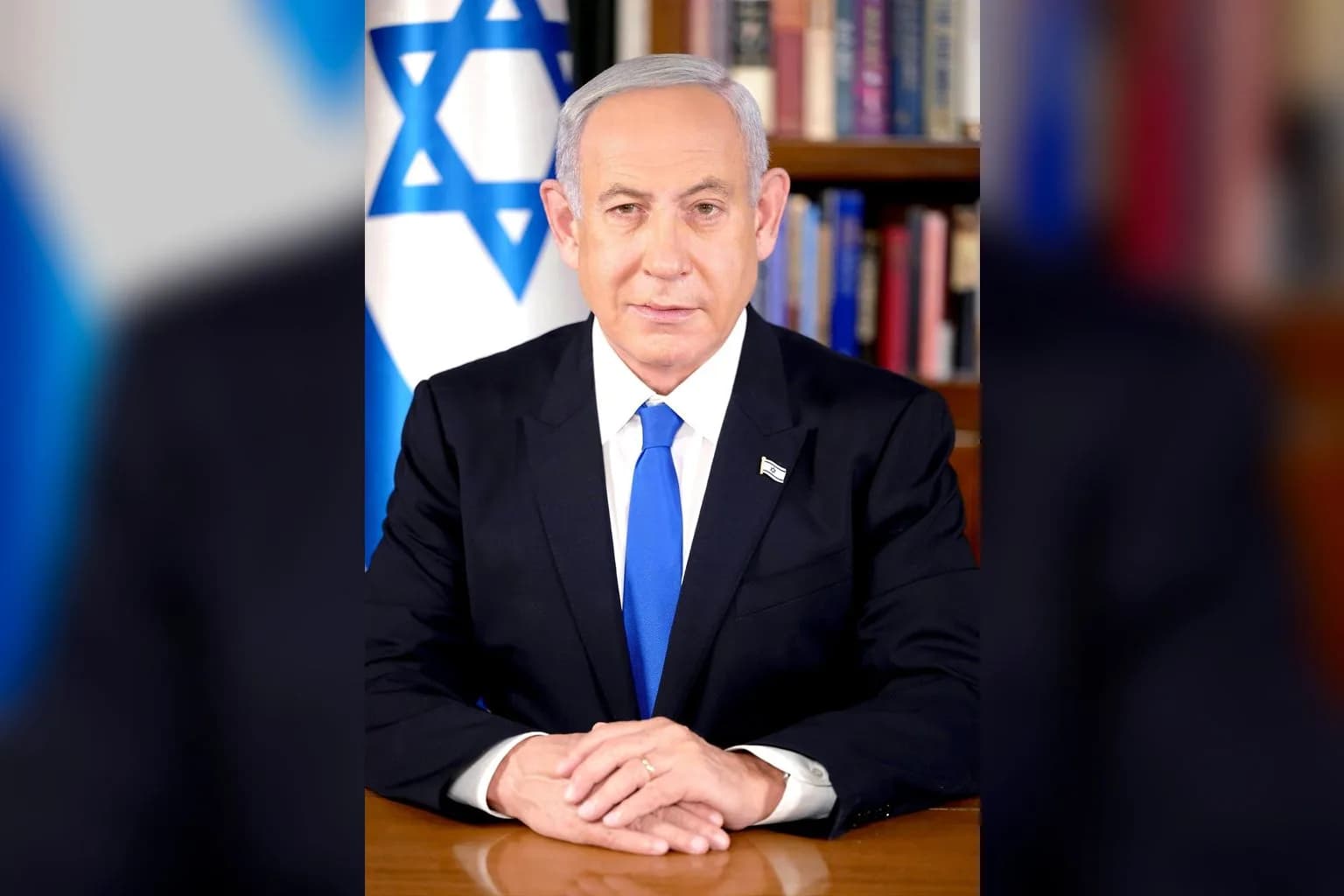
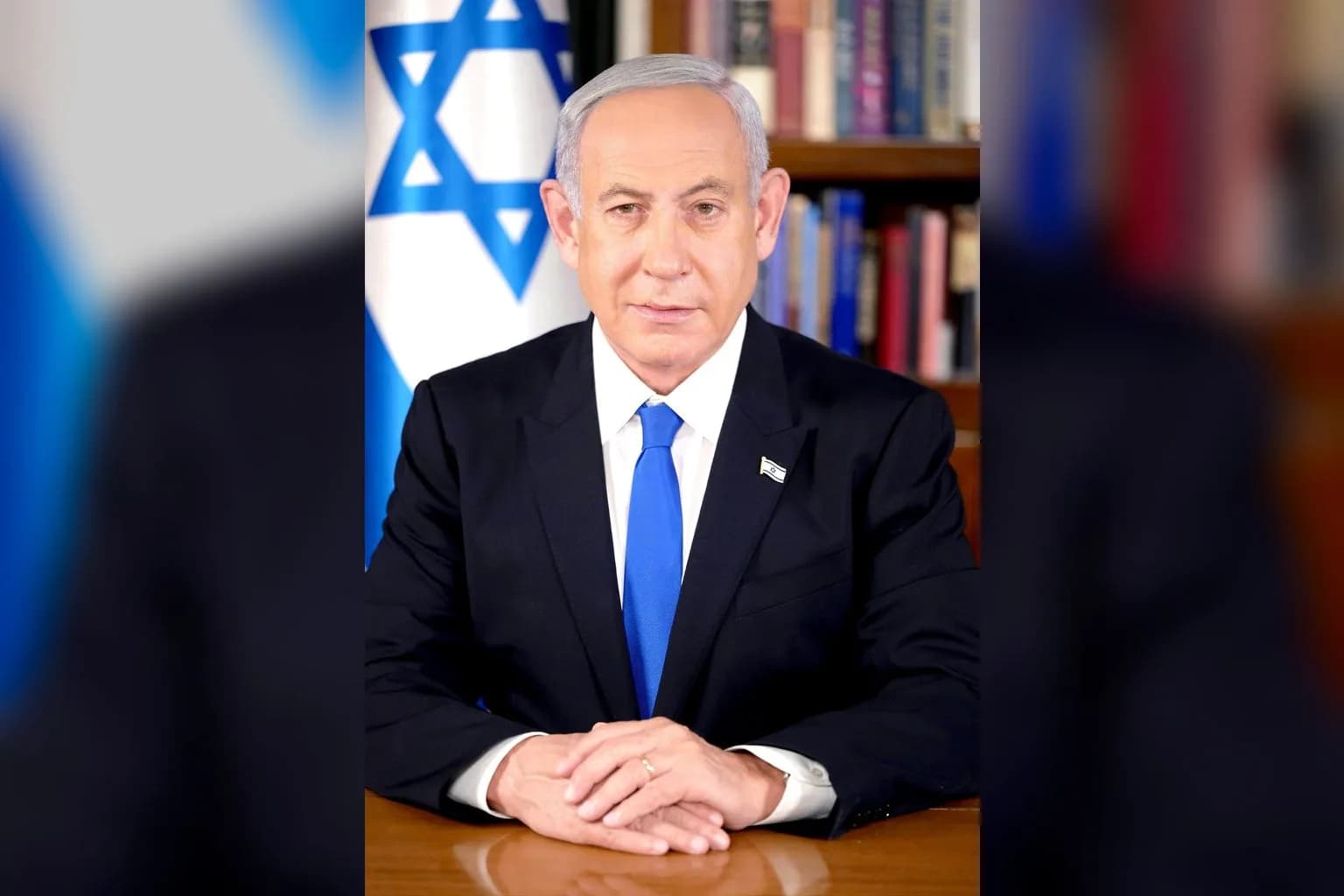
Netanyahu, 77, has run Israel for 19 of the past 30 years and has pushed the country sharply to the right. Eisenkot, 66, is a former military chief and a political novice.
Netanyahu called for a ‘strong government of the right’ and said the ‘Jewish and Zionist majority must unite.’ He later said: ‘We must establish a strong, right-wing, nationalist government. We must not endanger Israel and establish a government that relies on anti-Zionist Arab parties.’
Eisenkot has made his own limit clear, pledging ‘not to ally himself or get into a partnership with the Palestinian Israeli parties.’
That leaves both camps facing the same parliamentary problem. Netanyahu’s bloc lacks the required seats, while Eisenkot’s alliance also cannot reach a majority on its own. Their stated opposition to reliance on Arab parties has left no clear coalition path.
Yousef Jabareen, the Joint List leader representing Palestinian citizens of Israel, said ‘Netanyahu was defeated at the ballot box.’ He added: ‘The government of bloodshed must go!’
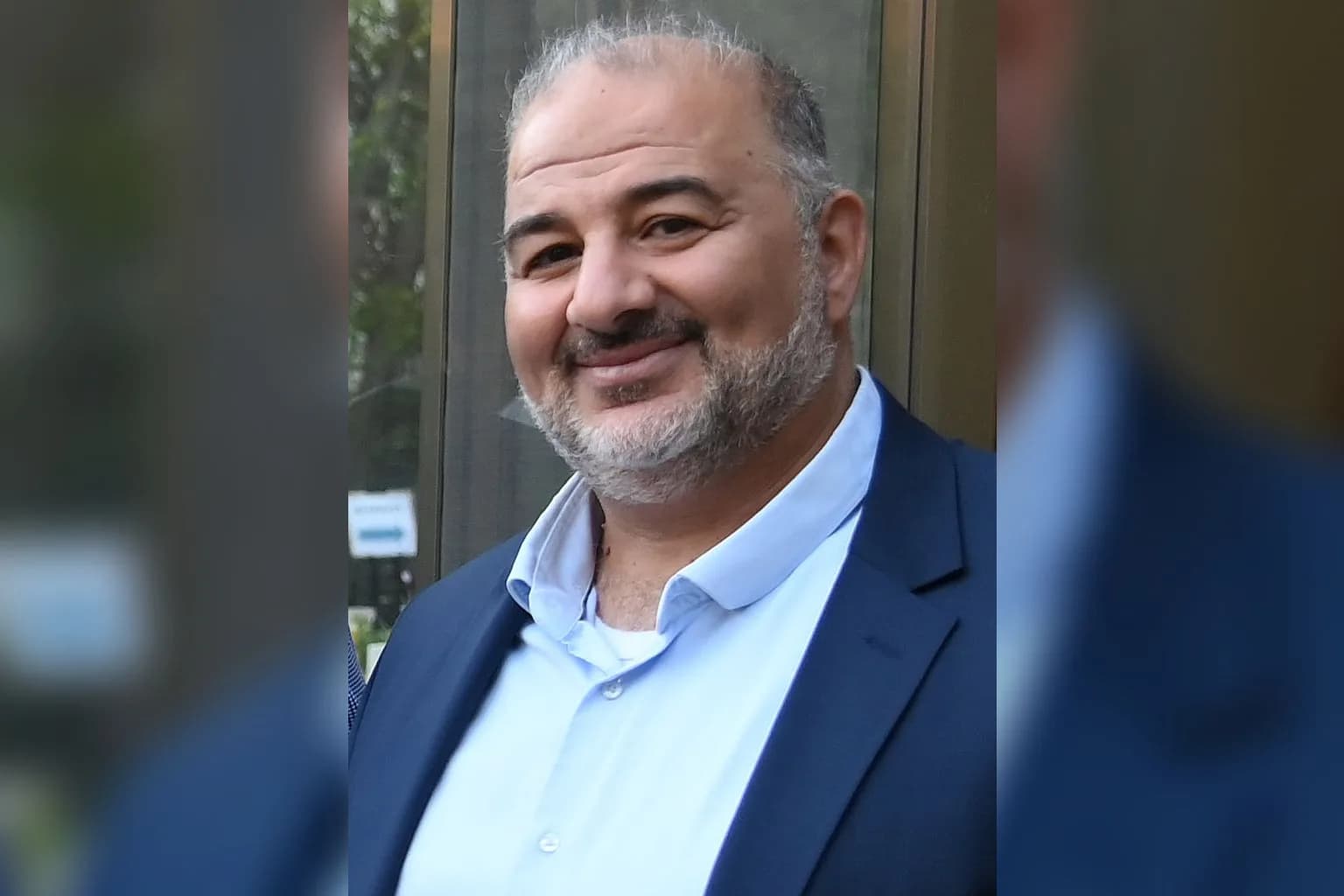
Golan separately met Mansour Abbas, leader of the United Arab list, known as Ra’am, to discuss coalition possibilities. Ra’am is projected to win eight of the 19 Arab party seats.
Netanyahu alleged that Arab Israeli parties had used foreign backing to ‘steal’ the election, and Likud amplified claims that Arab-led parties had done so with possible foreign assistance. Dean Livne, the central elections committee’s acting director general, said there was ‘no basis for claims of systematic violations of election integrity.’ Israeli police also dismissed the claims, with one source saying: ‘Election day passed with very few irregular incidents.’
Majed al-Ansari, a spokesman for Qatar’s foreign ministry, said: ‘We categorically deny allegations that Qatar has interfered in Israeli elections or funded any activities intended to influence their outcome.’
Isaac Herzog, Israel’s president, urged political leaders against ‘tarnishing an entire community that sought to exercise its right to vote,’ referring to Arab Israeli voters.
Eisenkot told Netanyahu: ‘Netanyahu, don't you dare use Israel's security for your political needs.’
Coalition negotiations now decide whether Netanyahu can retain power, whether Eisenkot can assemble an alternative government, and whether either side shifts its position on Arab party support.
Comments (0)