
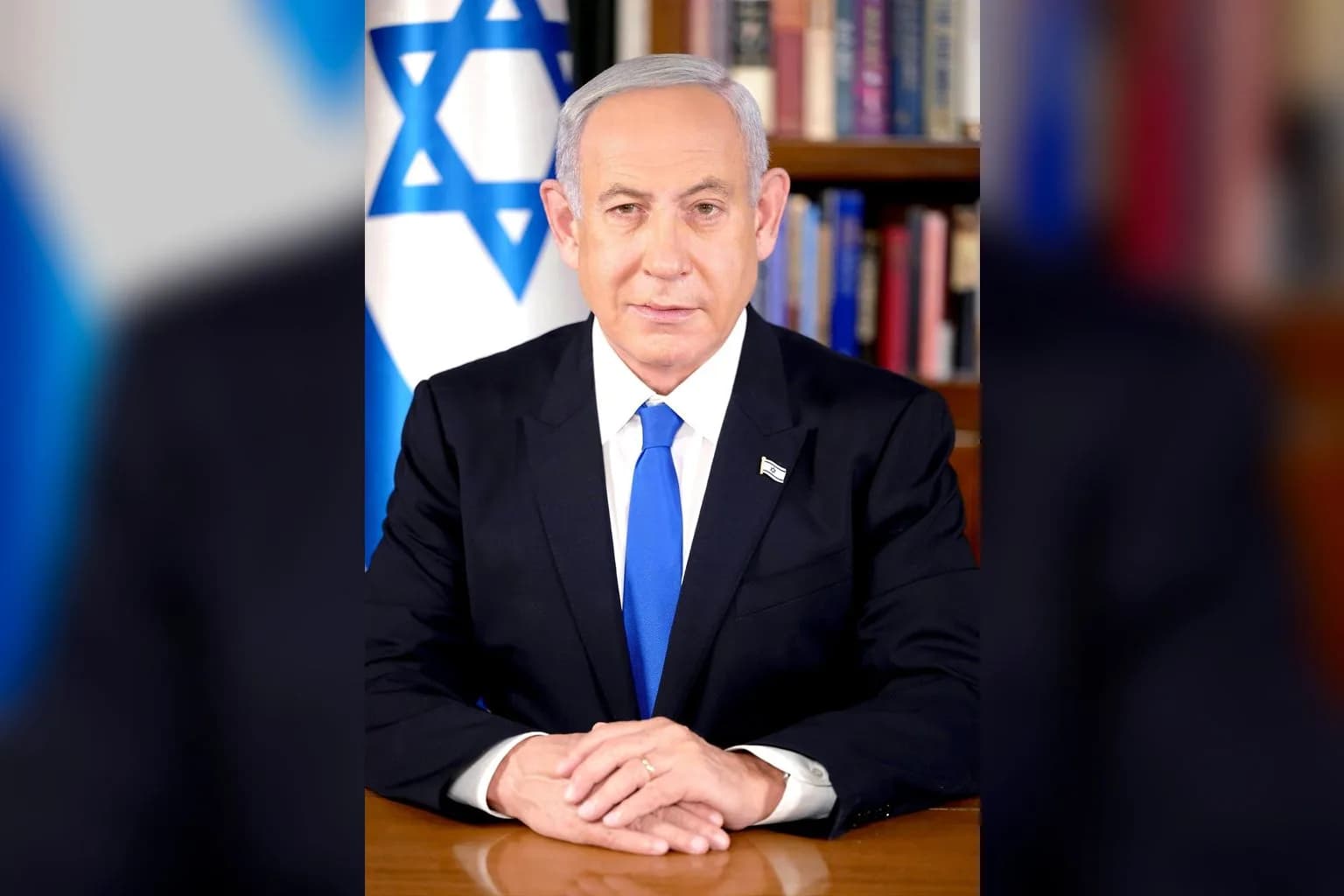
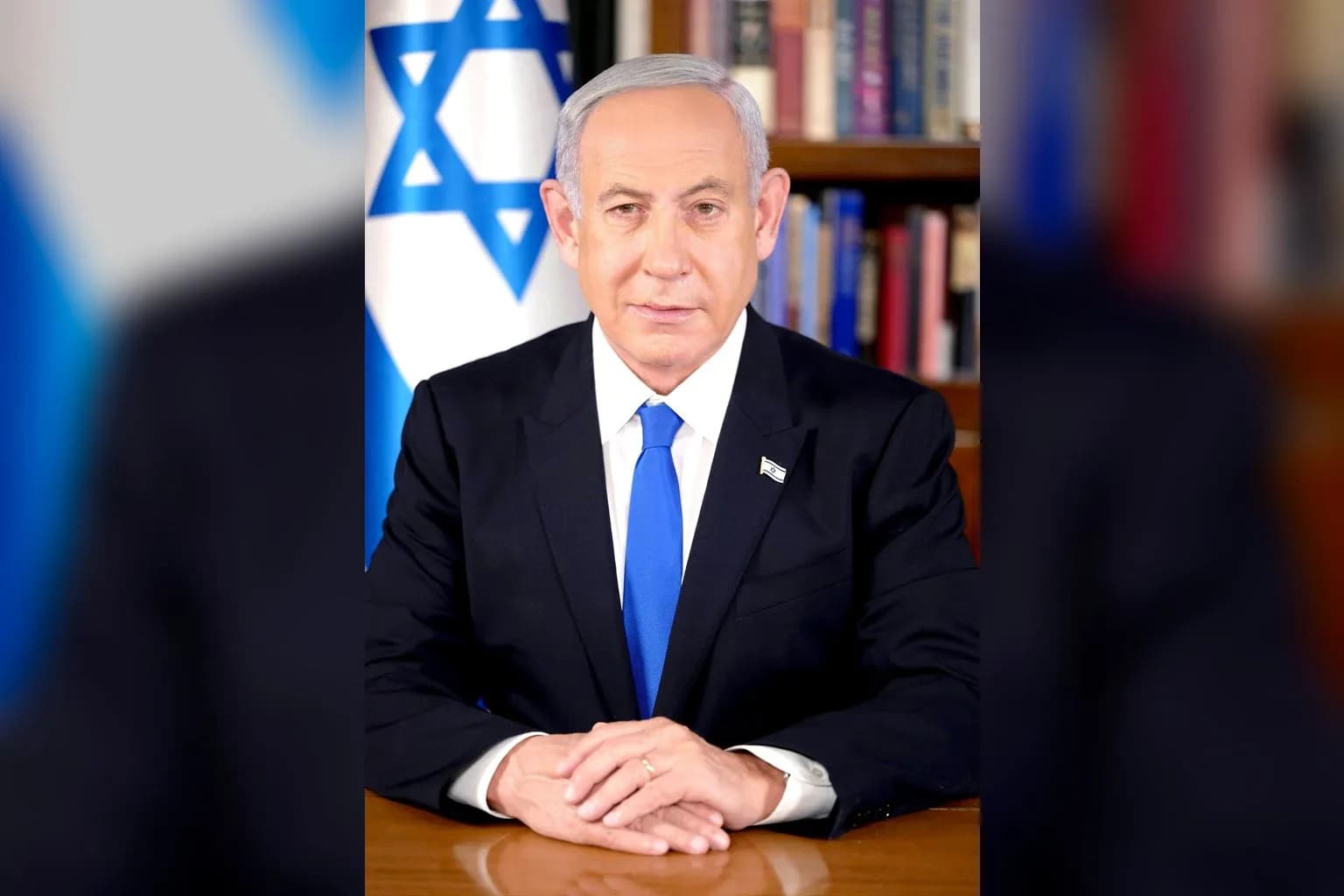
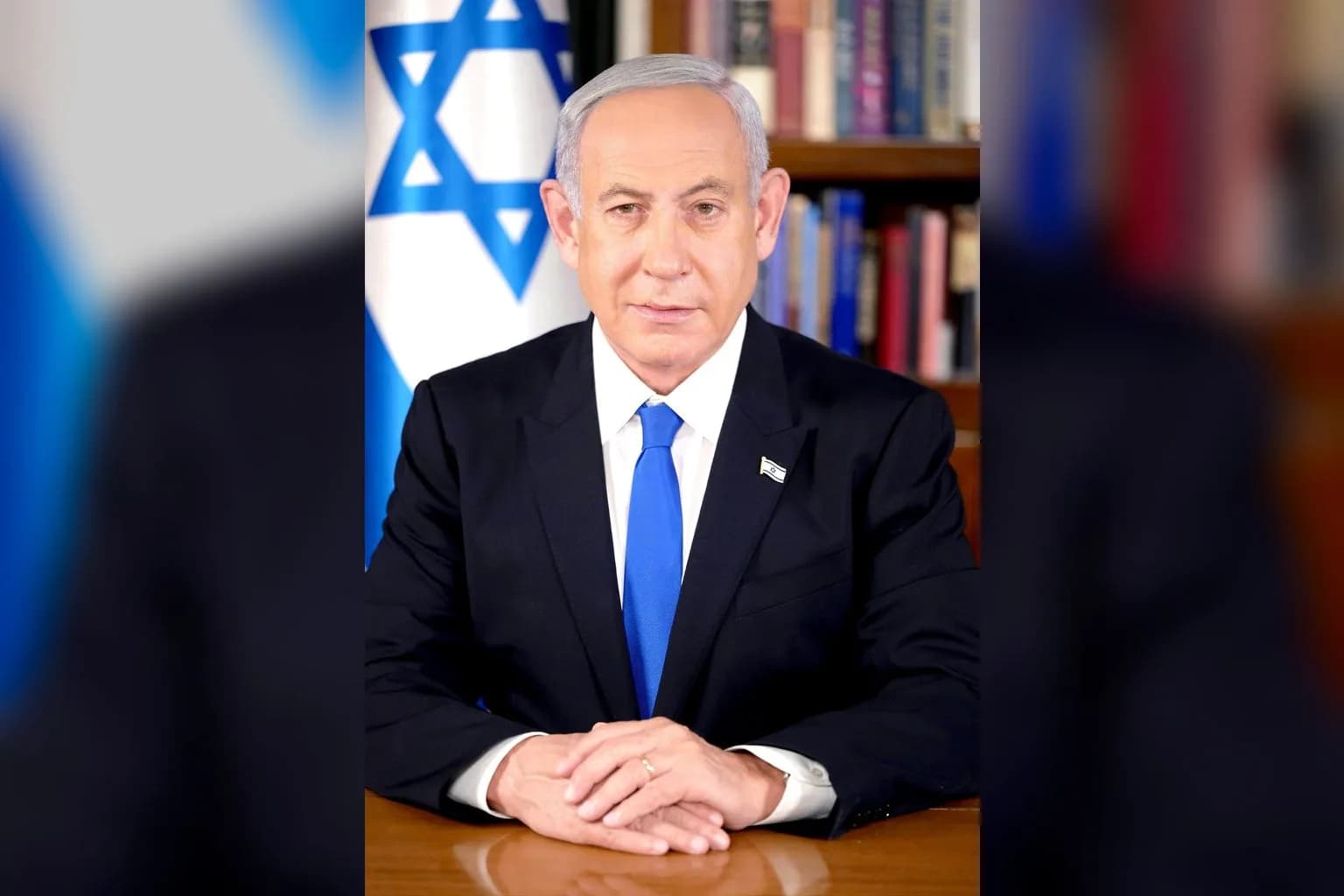
Benjamin Netanyahu’s right-wing bloc won 53 seats in Israel’s 120-member parliament, leaving it short of the 61 needed to govern. Arab-led parties secured a record 19 seats, creating a possible alternative majority if they join forces with the opposition.
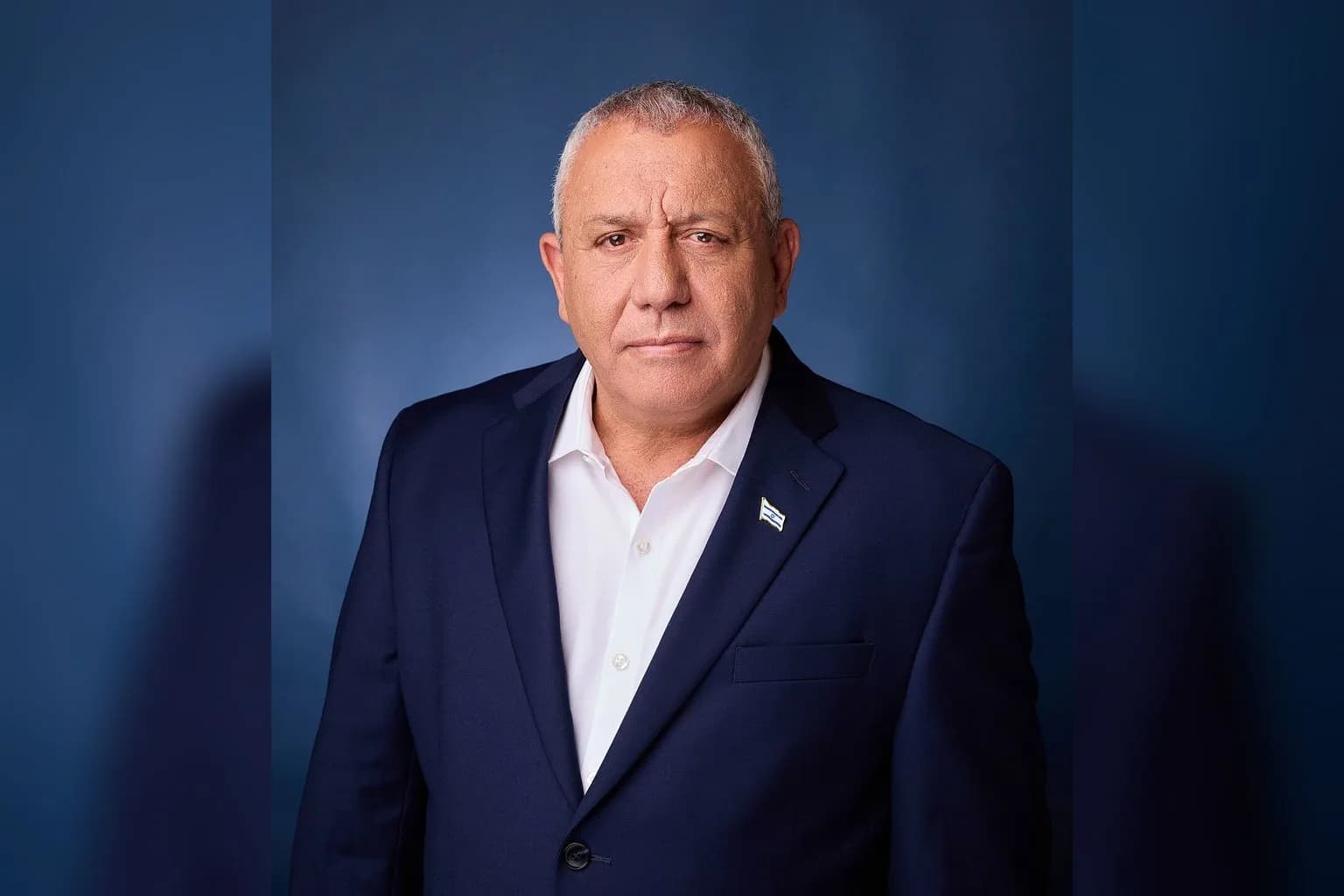
Gadi Eisenkot, the former military chief who leads the main opposition, has 48 seats behind him. The result has turned coalition talks into a contest over whether opposition parties will work with Arab-led groups to keep Netanyahu from another term.
Israelis voted on Tuesday after exit polls indicated a setback for Netanyahu’s governing alliance. During voting, Netanyahu warned that Arab voters were rushing to polling stations and said an opposition victory would threaten Israel’s Jewish character.
Miri Regev, the Likud transportation minister, wrote on X on Tuesday: “They're trying to steal the elections and the country from us. It's either the right or Palestine.”
By Wednesday night, most votes had been counted in an election in which Arab-led parties made a historic showing. The Joint List said it was ready for political cooperation and would do “everything in its power to bring Netanyahu's rule to an end.”
Yair Golan, leader of the left-wing Democrats party, called on his partners on Wednesday to count the Arab parties as part of their bloc.
At his party’s election headquarters in Jerusalem early on Wednesday, Bezalel Smotrich, the finance minister from the far-right Religious Zionism party, declared: “Jewish settlements will be established in Gaza.” He had also warned on Facebook of unusually high turnout in Arab communities and left-wing strongholds.
Netanyahu’s party has circulated claims of wrongdoing by Arab-led parties since the exit polls. On Thursday, it amplified unsubstantiated allegations that the parties had “stolen” the election, potentially with foreign help.
Arab political leaders condemned Netanyahu’s election-day messages as racist and inflammatory. Eisenkot said Likud was seeking to delegitimise the result, adding: “They are doing this because they lost.”
On Tuesday night, Eisenkot urged Israel’s security chiefs to remember that “Netanyahu is a caretaker prime minister, without a mandate and without public confidence.”
Supreme Court Justice Noam Sohlberg, who heads Israel’s election committee, said “serious suspicions” of foreign interference had been put to him. In a letter to the Shin Bet security agency, he said he could not verify the claims and asked it to investigate.
Israeli media reported that members of Netanyahu’s party had accused Qatar of involvement. Qatar rejected the allegation, calling it “ridiculous and dangerous.”
A source close to Netanyahu said his central post-election aim was to delegitimise Jewish-Arab political cooperation and prevent it from taking shape.
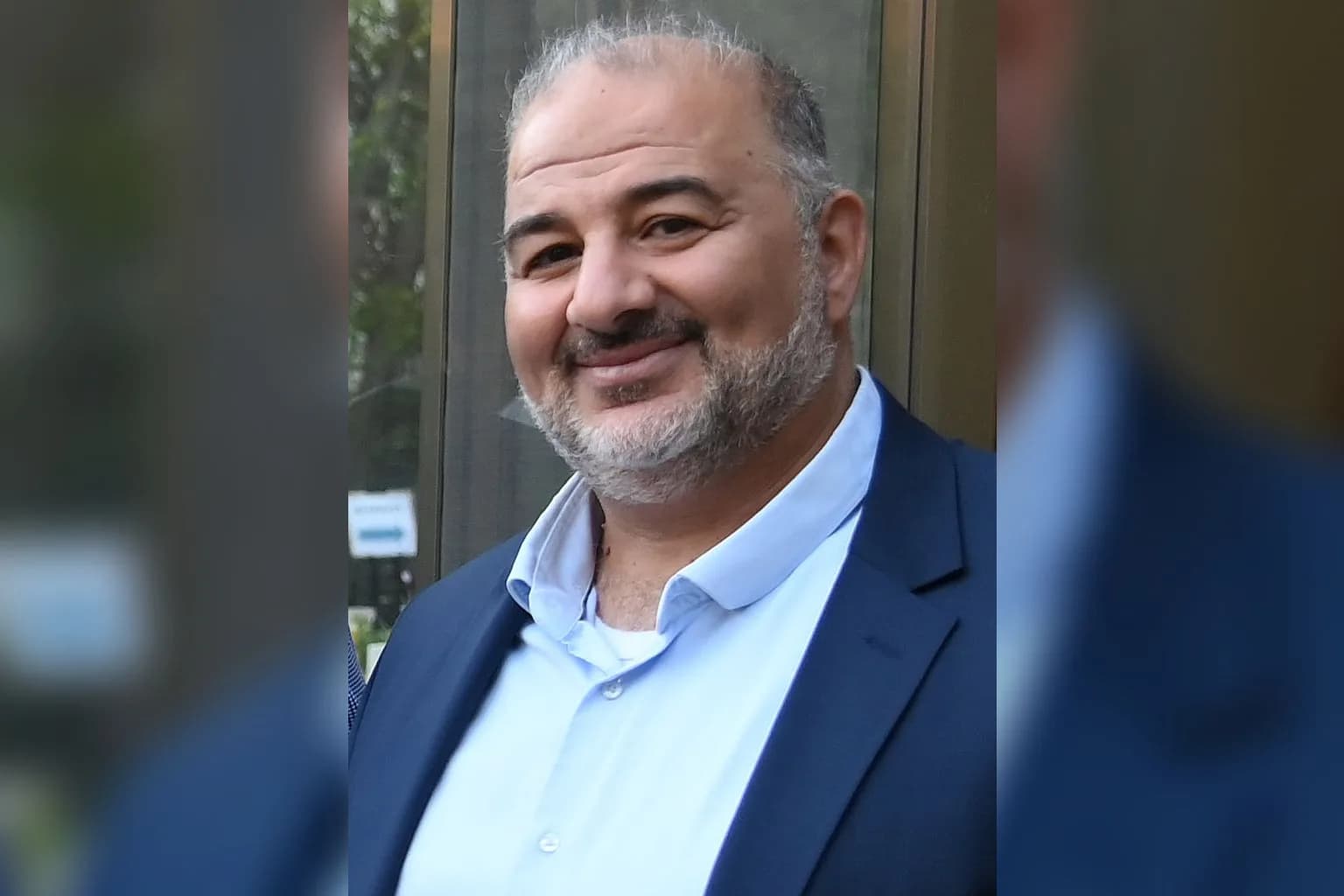
Arab parties had remained outside coalition governments until 2021. Mansour Abbas, who leads Raam, became the first Arab politician to join an Israeli government after that year’s election, and said he had received approaches from both Likud and Eisenkot’s opposition camp.
The Joint List brings together the Communist Hadash, secularist Taal and nationalist Balad factions.
The 53 seats won by Netanyahu’s bloc mark a sharp fall from the 68 seats it controlled at its peak in the previous parliament.
The count is complete, though the result must still be certified and sent to Israel’s president next Wednesday. The candidate selected to try to form a government will have 28 days, with a possible 14-day extension, to negotiate with other parties.
If repeated attempts to form a government fail, Israel will face another election early next year.

Comments (0)