

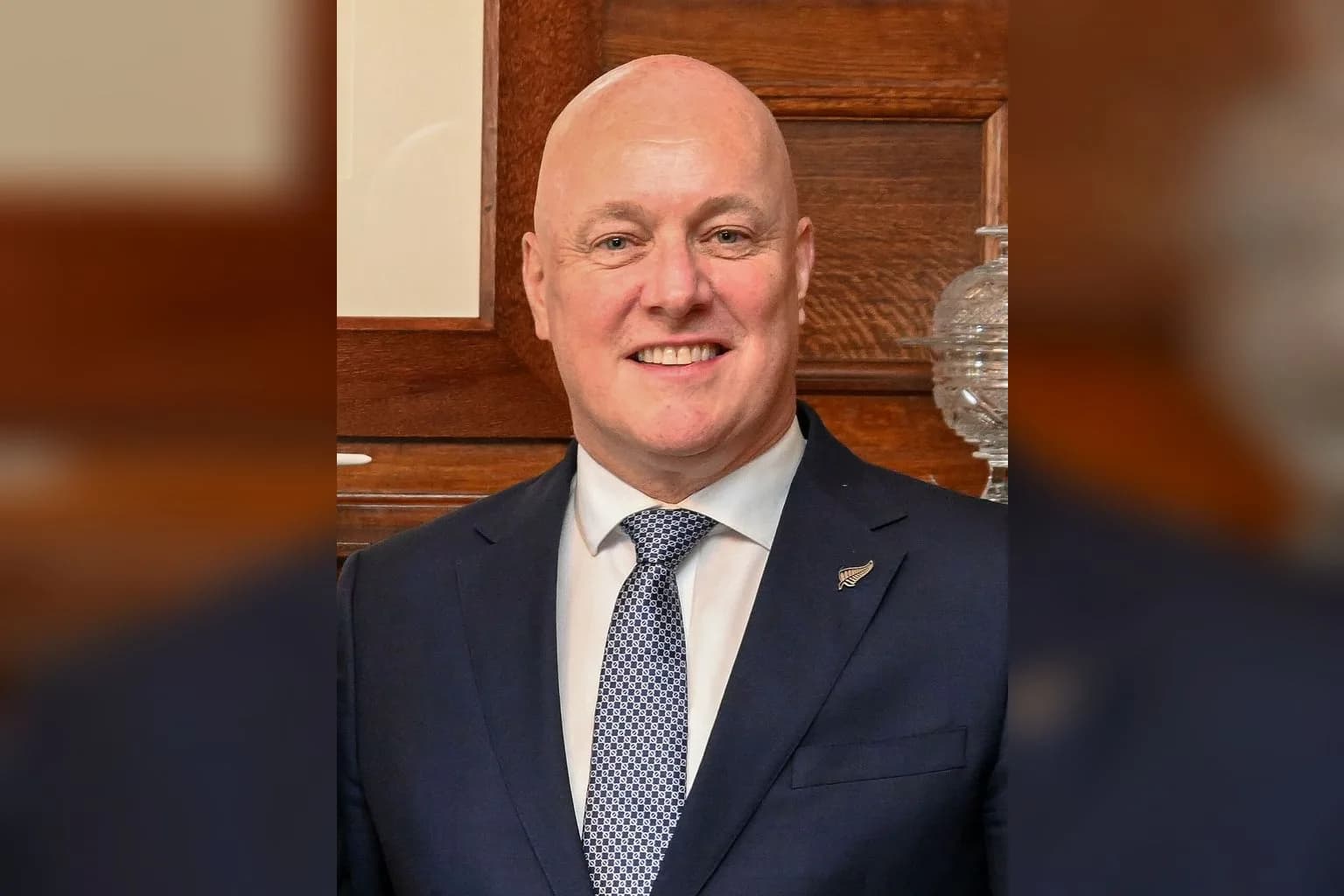
Christopher Luxon’s National-led coalition is projected to win 67 of 131 seats after New Zealand’s election on 7 November 2026, giving it a preliminary two-seat majority.
Nationwide preliminary votes are 100% counted, yet the result could change when approximately 300,000 special votes are included on 27 November. National is projected to win 42 seats and Labour 36.
National and Labour each won slightly more than 29% of the party vote, with only a few thousand votes between them.
Luxon, the prime minister and National Party leader, retained his Botany electorate seat and addressed supporters in Auckland late on election night. He said the race was 'too close to call'.
He said National was 'once again the largest party in Parliament' and had 'a pathway to forming the next government'. Luxon said 'negotiation and compromise are going to be required', while caretaker conventions would apply and government business would continue as usual.
Chris Hipkins, the Labour leader, retained his Remutaka electorate seat. He said the public had spoken, though 'it may take a bit longer to work out what they’ve said'.
The final official results, including votes cast by people overseas or outside their electorate, will be declared by the Electoral Commission on 27 November. Luxon said the 'final shape of government' would become clear later this month.
The Opportunity Party cleared the 5% threshold and will enter parliament for the first time. Its leader, Qiulae Wong, 38, applied for the role after responding to a job advertisement a year ago. The party won 6% of the vote.
Opportunity is the first total outsider party without established political figures to enter parliament since New Zealand adopted its mixed-member proportional voting system in the mid-1990s. Luxon had ruled out working with the party before the election.
Two senior National figures, Finance Minister Nicola Willis and parliament’s speaker Gerry Brownlee, lost their seats. Paul Goldsmith also failed to win the Epsom electorate seat.
More than 1 million people voted early, about 16% ahead of the same point in the 2023 campaign. ACT increased its vote share to 11%, while New Zealand First increased to 10%.

Comments (0)