

New Zealand will elect a government on 7 November as National and Labour enter the campaign almost level in polling.
A 1News Verian poll published on Tuesday put the governing centre-right National Party on 30 per cent and the opposition centre-left Labour Party on 29 per cent. Neither is projected to take enough seats to govern by itself.
That leaves the next government likely to depend on smaller parties and coalition talks. A working majority in New Zealand's 120-seat parliament usually requires 61 seats.
Voters are weighing rising living costs, unemployment and healthcare as they decide who should govern.
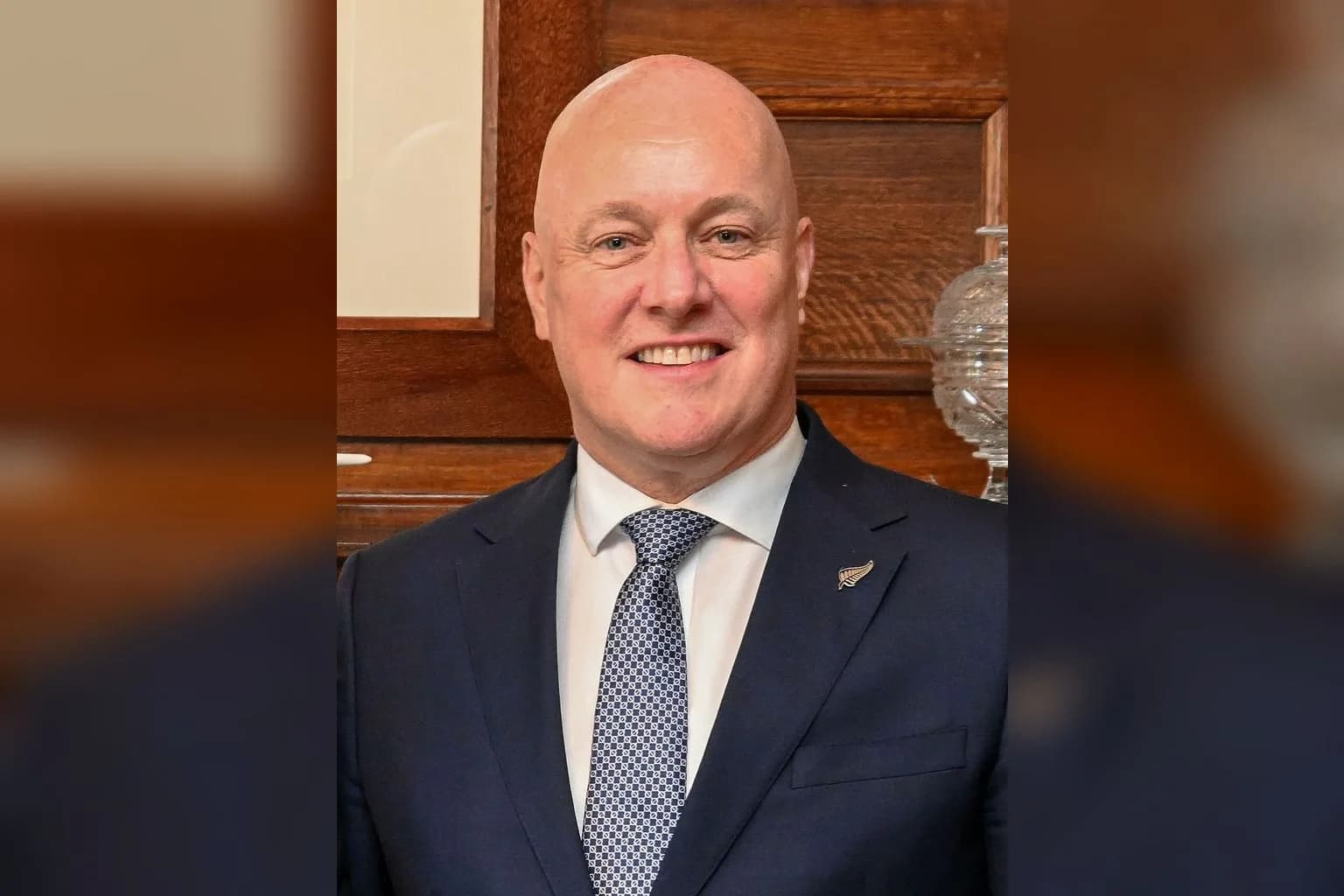
Prime Minister Christopher Luxon is seeking a second term at the head of National. The party won power in 2023 and has since governed alongside ACT and New Zealand First, also known as NZ First.
National has made economic management a central part of its case, including plans to restore a budget surplus and widen the country's retirement savings scheme.
Luxon previously ran Air New Zealand as chief executive. He entered parliament in 2020 as MP for the Auckland electorate of Botany, then became National leader a year later.
His leadership has faced pressure inside his own party. National MPs mounted attempted no-confidence votes against him in April and August, which he survived.
Labour is led by Chris Hipkins, 48. He became prime minister in January 2023 after Jacinda Ardern resigned, then lost office at the election that October.
Labour has pledged to bring down living costs and improve healthcare and transport. Its platform also includes investment in housing, jobs and public services.
New Zealand's mixed-member proportional electoral system gives each voter two choices: one for a local candidate and another for a party. A party can enter parliament by winning 5 percent of the party vote or securing an electorate seat.
There are 71 electorates, including seven reserved for Maori.
Coalition rule has been the usual outcome since the system began in 1996, with Labour or National leading every government. Labour governed alone in 2020 after winning a majority under then-Prime Minister Ardern.



Comments (0)