

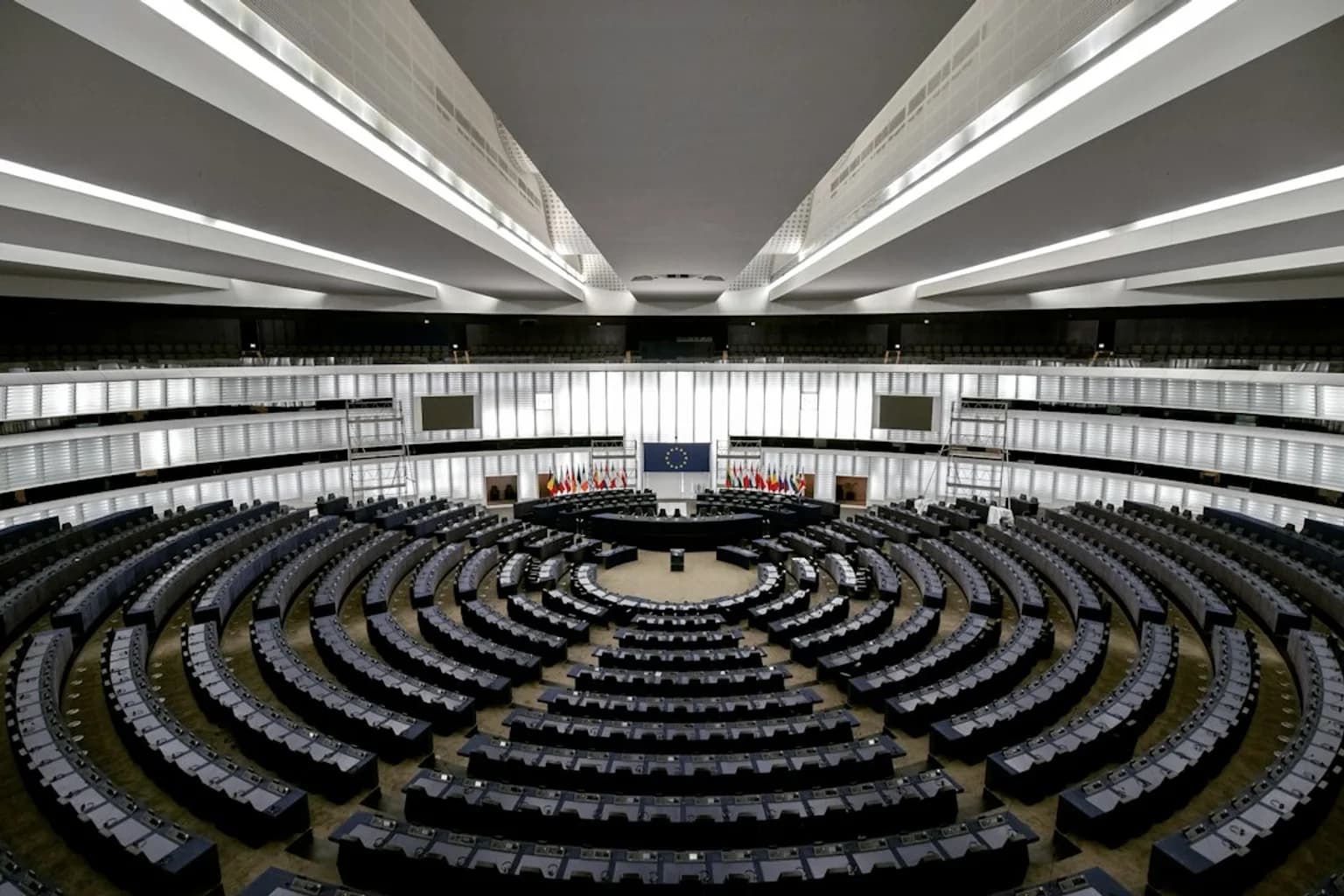
In Strasbourg, France, the European Parliament’s president, Roberta Metsola, announced on Thursday, 22 October 2026 that the International Criminal Court had won the Sakharov Prize for Freedom of Thought. “The European Union is built on respect for multilateralism and international institutions, and this prize recognizes the important work of the Court in upholding international law and justice,” she said.
Members rose in a standing ovation for the decision.
The European Parliament awards the €50,000 prize to defenders of human rights and freedom of thought. Created in 1988, it is named after the Soviet dissident Andrei Sakharov; earlier recipients have included Nelson Mandela, Alexei Navalny, Belarusian journalists and the people of Ukraine.
The recognition came less than two weeks after the Trump administration announced comprehensive sanctions against the court on 9 October, in response to its investigation into US personnel in Afghanistan and its arrest warrant for Israeli Prime Minister Benjamin Netanyahu.
The administration’s campaign aims to dismantle the tribunal over investigations involving the United States and its allies, including Israel. The sanctions restrict the court’s access to US-based financial services, technology companies and US dollars, and give US companies and individuals six months to wind down business with it.
Marco Rubio, the US secretary of state, said the curbs were intended to be “crippling” to the court’s “ability to operate.” He warned: “Either the ICC will end its threats or we will end the ICC.”
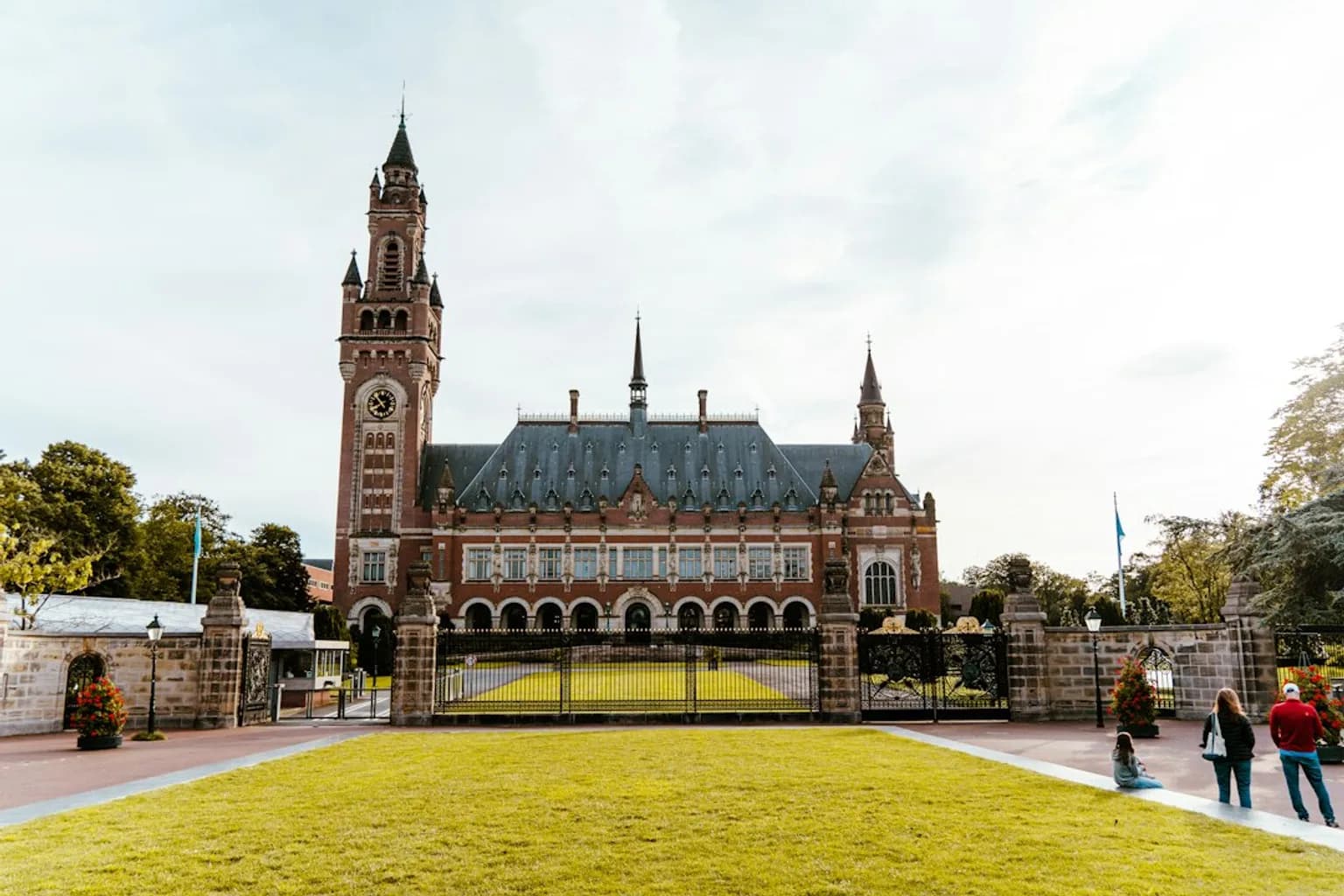
Based in The Hague, Netherlands, the ICC opened in 2002 as a court of last resort for prosecuting senior leaders it considers responsible for crimes that, under its founding treaty, “deeply shock the conscience of humanity.”
The Socialists and Democrats group nominated the court for the Sakharov Prize after the sanctions announcement. It was one of three finalists, alongside Tanzanian opposition leader Tundu Lissu and Iranian twin sisters Taraneh and Romina Rahimi.
The European People’s Party had initially supported Lissu, while the Patriots backed the Iranian sisters. Kinga Gál, the Patriots chief, recused herself from voting. Renew, the Greens and The Left then joined the Socialists and Democrats in backing the ICC, securing a relative majority.
Hana Jalloul, a Spanish Socialists and Democrats lawmaker who promoted the nomination, said: “It is a great achievement for the European Socialists that we led this proposal despite the EPP's opposition. We are on the right side of history. This vote shows that the majority of this Parliament, together with our group, stands with international law.”
French MEP Chloé Ridel said: “This is a message of hope and resistance sent to Donald Trump. No, we will not abandon the rule of law and international justice. We will stand with the ICC for as long as it takes.”
Ursula von der Leyen, the EU Commission president, said: “The International Criminal Court must be free to pursue its mission, independently, and without pressure or intimidation.” The EU has said it is “ready to take any necessary measures” to ensure the court can continue its work.
Tomoko Akane, the ICC president, said the prize had particular significance amid the pressure on the court and its officials. “Against this backdrop, the Sakharov Prize carries particular significance, reaffirming the importance of independent judicial institutions and of those who work to uphold international law,” she said.
An award ceremony is due to take place during the European Parliament’s December plenary session in Strasbourg.




Comments (0)