

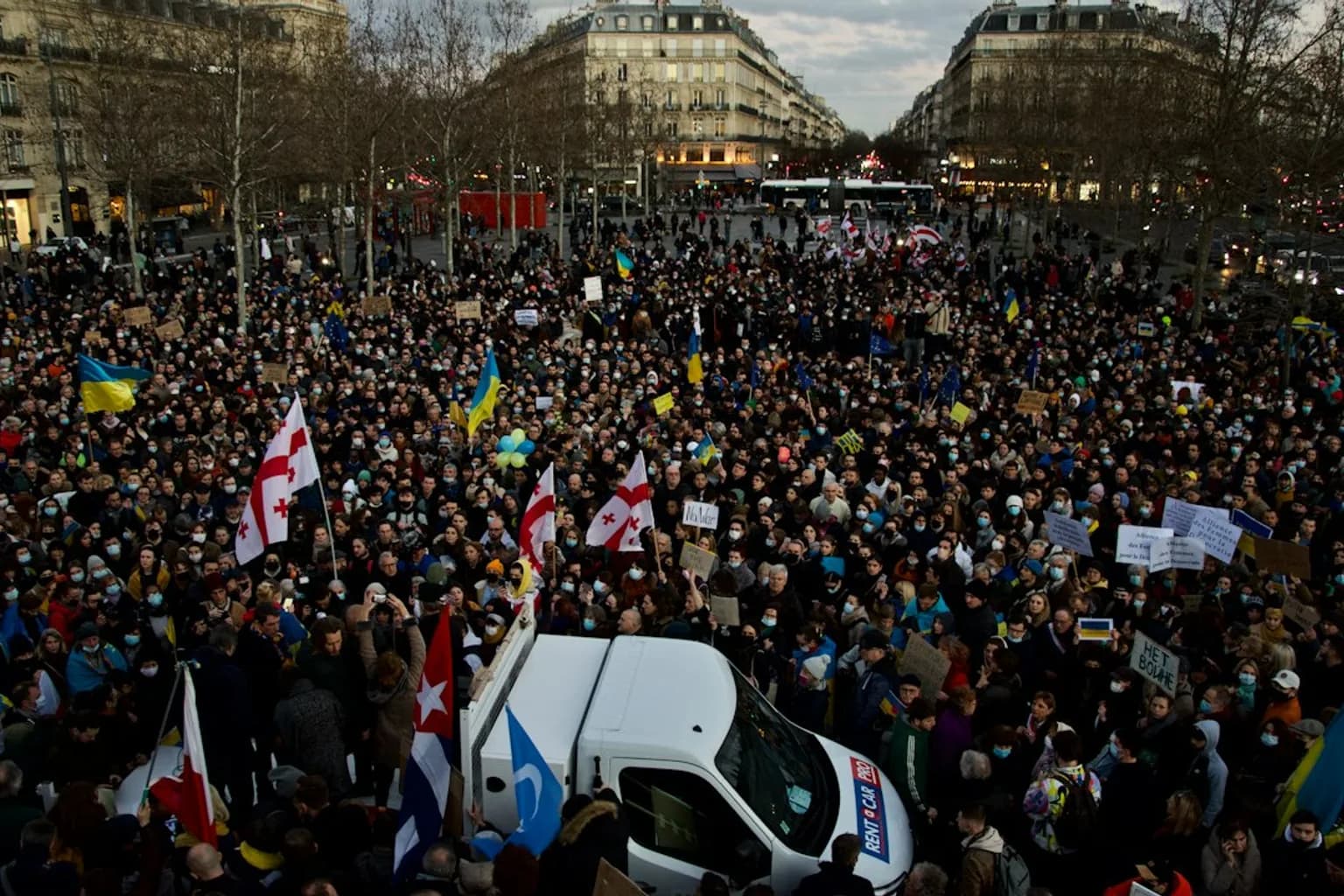
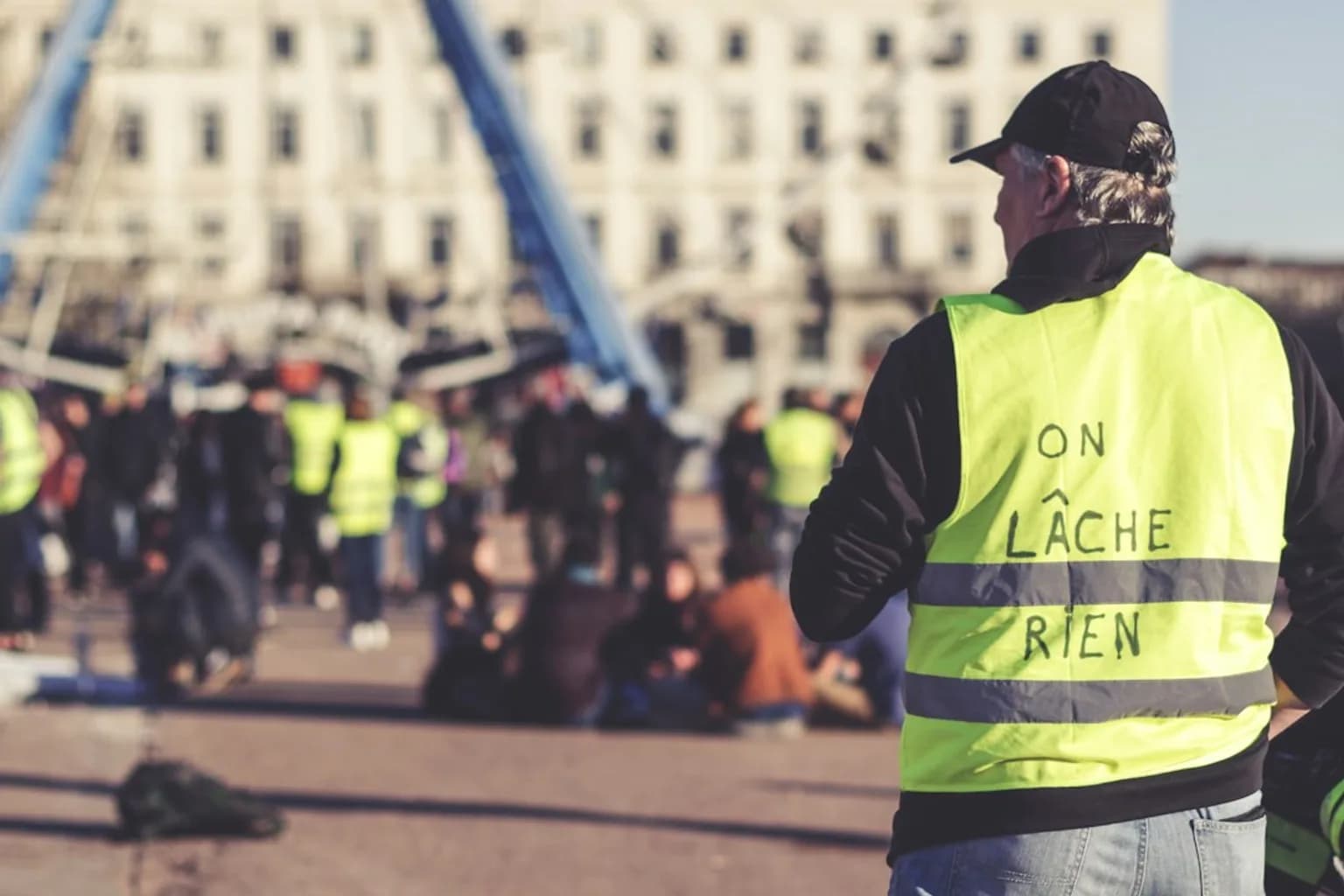
For protesters and police alike, a third Saturday of nationwide demonstrations brought renewed confrontation, with 565 people arrested across France and five security officers injured in Paris.
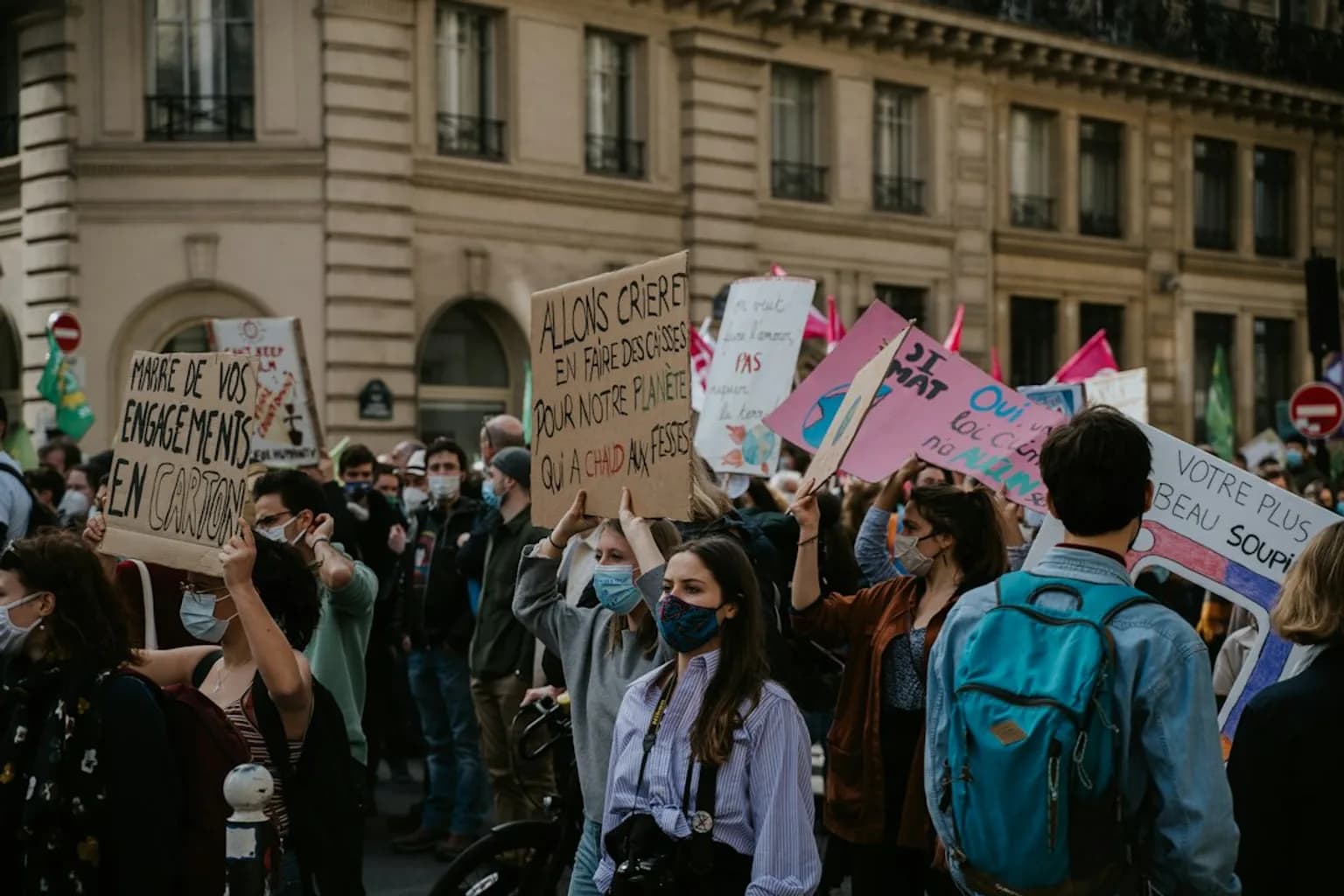
The demonstrations were directed at the cost of living and deteriorating public services, while student protesters have made education a central concern.
Two weeks earlier, on 17 October, the first nationwide wave of protests descended into widespread street violence and looting in city centres. France's interior minister, Laurent Nuñez, warned on Thursday of a “very high risk of public disorder”.
Authorities deployed 70,000 police and gendarmes, including elite units, for Saturday's protests. About 320,000 people attended rallies around the country, down from an estimated 410,000 the previous weekend.
In Paris, about 70,000 people set out from the Porte de Bagnolet near the ring road and marched towards the Porte de Charenton along the capital's south-eastern outskirts, avoiding the city centre. Many wore Halloween costumes despite Nuñez's warning that face coverings could bring fines of €150.
Jérôme Rodrigues, a protester on the Paris march, said: 'The French economy is doing badly no matter what happens, because today we're being run by a group of incompetents who juggle billions while families are struggling with a few cents'.
In Nantes, the protester Camille Guérin said: 'We say no to the cost of living, no to the far right, yes to high school students' demands, yes to giving citizens a voice'.
Early in the afternoon, authorities described the national situation as “generally calm”. Nuñez later said about 150 planned demonstrations had passed off peacefully.
As marches dispersed, clashes broke out in Paris, Marseille, Lyon and other cities. Police fired tear gas during the clashes in Paris. A riot police officer there was hit by a molotov cocktail, an incident Nuñez called an 'attempted murder'.
Four police officers and one gendarme were injured in Paris. Police made 565 arrests nationwide late on Saturday.
Student protesters have vowed to blockade high schools and universities on Tuesday and Thursday. They also plan to join a demonstration called by workers and trade unions on 5 November.
The youth-led protests have also spread to Italy and Germany, where an initiative called Gen Z regelt has reached over 30 cities. At least two stores were looted in Frankfurt as demonstrations there turned violent, while Italian police carried out 60 searches across 23 cities on Friday targeting people suspected of inciting violence at mass demonstrations.

Comments (0)