

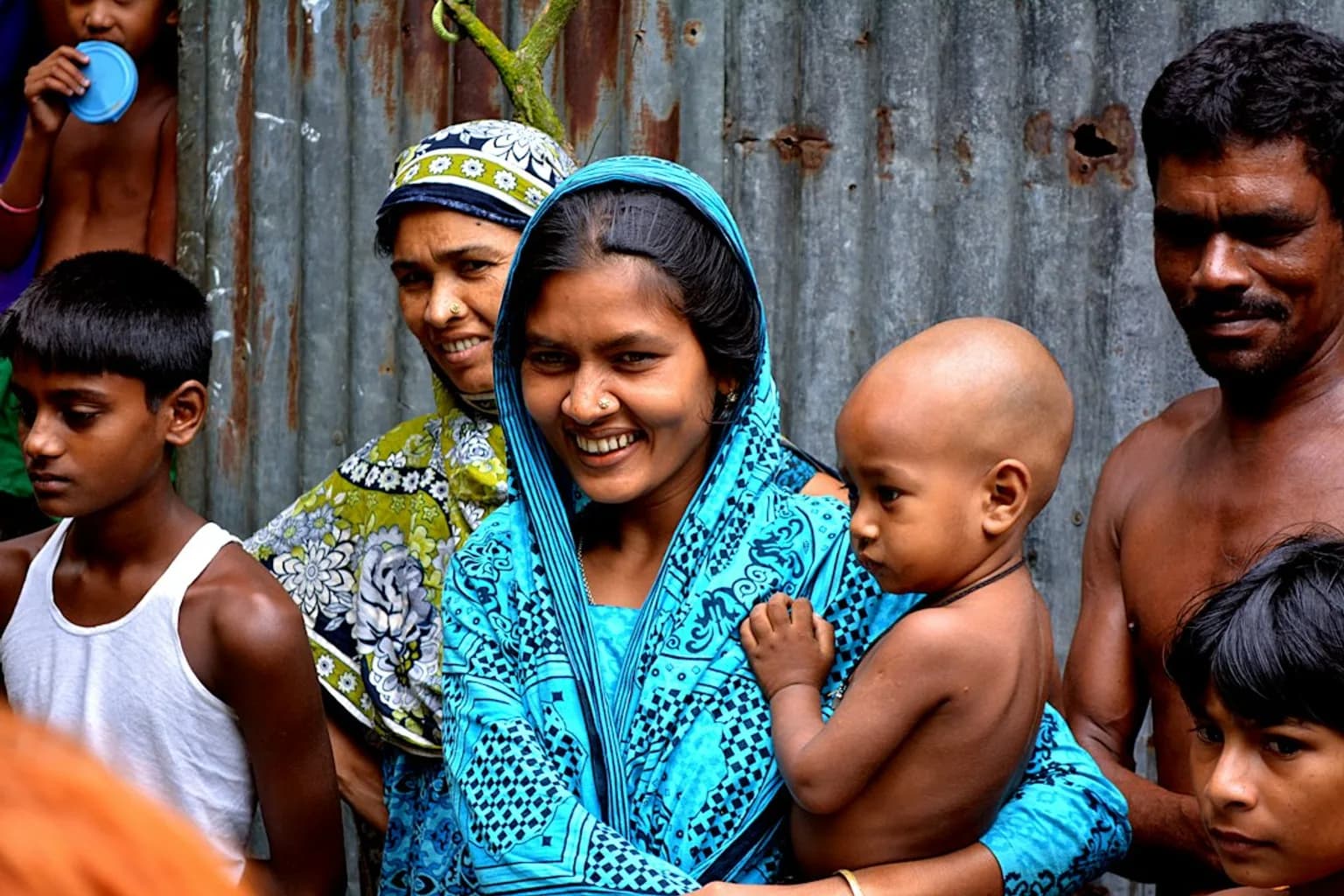
Dil Hossain, a Rohingya refugee, lost his elderly parents while fleeing Rakhine State with his wife, Alinnesa, during Myanmar’s 2017 military crackdown. On Thursday, the International Court of Justice, the UN’s principal judicial organ, ruled that Myanmar committed genocide against the Muslim Rohingya minority.
Hossain and Alinnesa’s daughter, Ishara, is growing up in a refugee camp in Cox’s Bazar, Bangladesh. More than 1.2 million Rohingya are now refugees in Bangladesh, mainly in crowded camps in Cox’s Bazar, nearly nine years after the 2017 exodus.
The decision is the first time the court has held a state responsible for genocide. It is also the court’s first merits judgment in a genocide case for more than a decade, and the fourth time since the Nazi Holocaust that an international court has found the legal test for genocide met.
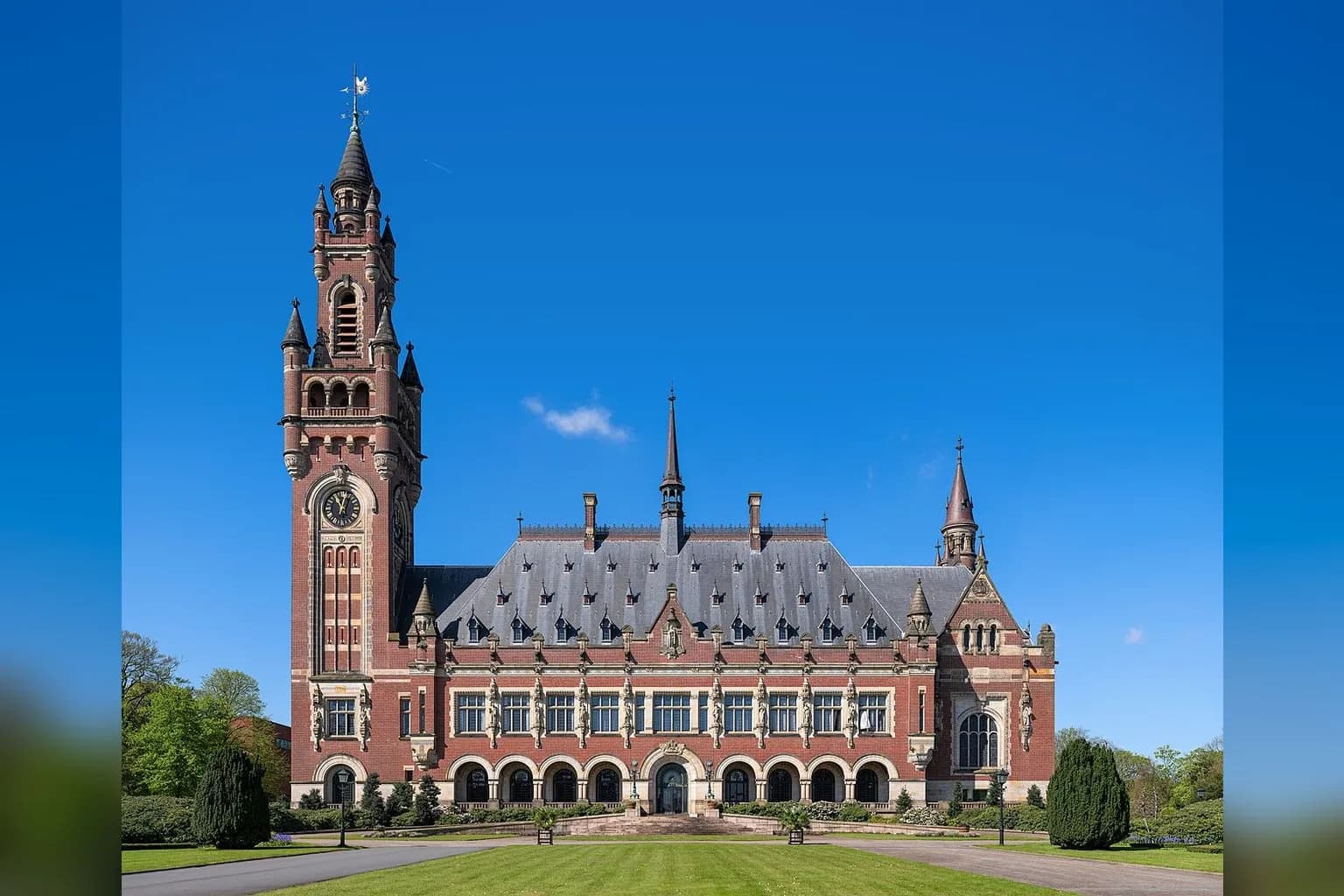
A panel of 15 judges made the ruling in The Hague, with Presiding Judge Yuji Iwasawa reading the decision. The judgment is final and cannot be appealed.
The Gambia filed the case in November 2019 on behalf of the 57-member Organisation of Islamic Cooperation. Abubacarr Tambadou, then The Gambia’s attorney general and justice minister, led the case.
The case concerned Rakhine State, in western Myanmar, where the Rohingya, a mostly Muslim ethnic minority, have lived for centuries. Myanmar removed the Rohingya from its 135 recognised ethnic groups in 1982 and denied them citizenship, leaving them the world’s largest stateless group.
Myanmar’s military started operations in Rakhine State in October 2016. It began a much larger campaign in August 2017 after fighters from the Arakan Rohingya Salvation Army, which operates in northern Rakhine State, attacked police posts.
UN investigators said soldiers destroyed hundreds of villages, carried out mass killings, and repeatedly raped and gang-raped Rohingya women, girls and boys. UN estimates put the death toll at about 10,000 and said more than 740,000 people fled to Bangladesh.
The judges found that the military actively spread hate speech aimed at the Rohingya. Myanmar’s security forces also killed thousands of Rohingya civilians, committed widespread sexual violence and inflicted extreme violence on children.
In January 2020, the court told Myanmar to take emergency steps to prevent genocidal acts. Hearings on the merits took place in January 2026, with seven states, including Canada, France and the United Kingdom, supporting The Gambia.
Aung San Suu Kyi, who led Myanmar’s elected government, personally led the country’s initial defence at The Hague. She was removed in a 2021 coup and placed under arrest. Senior General Min Aung Hlaing, the military commander-in-chief during the crackdown, now runs Myanmar following that coup.
About 520,000 Rohingya remain in Myanmar, many under severe restrictions. Myanmar is also engulfed in civil war, while the military found responsible for crimes against the Rohingya remains in power.
The court cannot enforce its decisions. Myanmar is legally bound by the ruling, though an International Court of Justice verdict brings no penalty on its own. If Myanmar ignores the decision, The Gambia can ask the UN Security Council to act, though China and Russia have previously shielded Myanmar there.




Comments (0)