

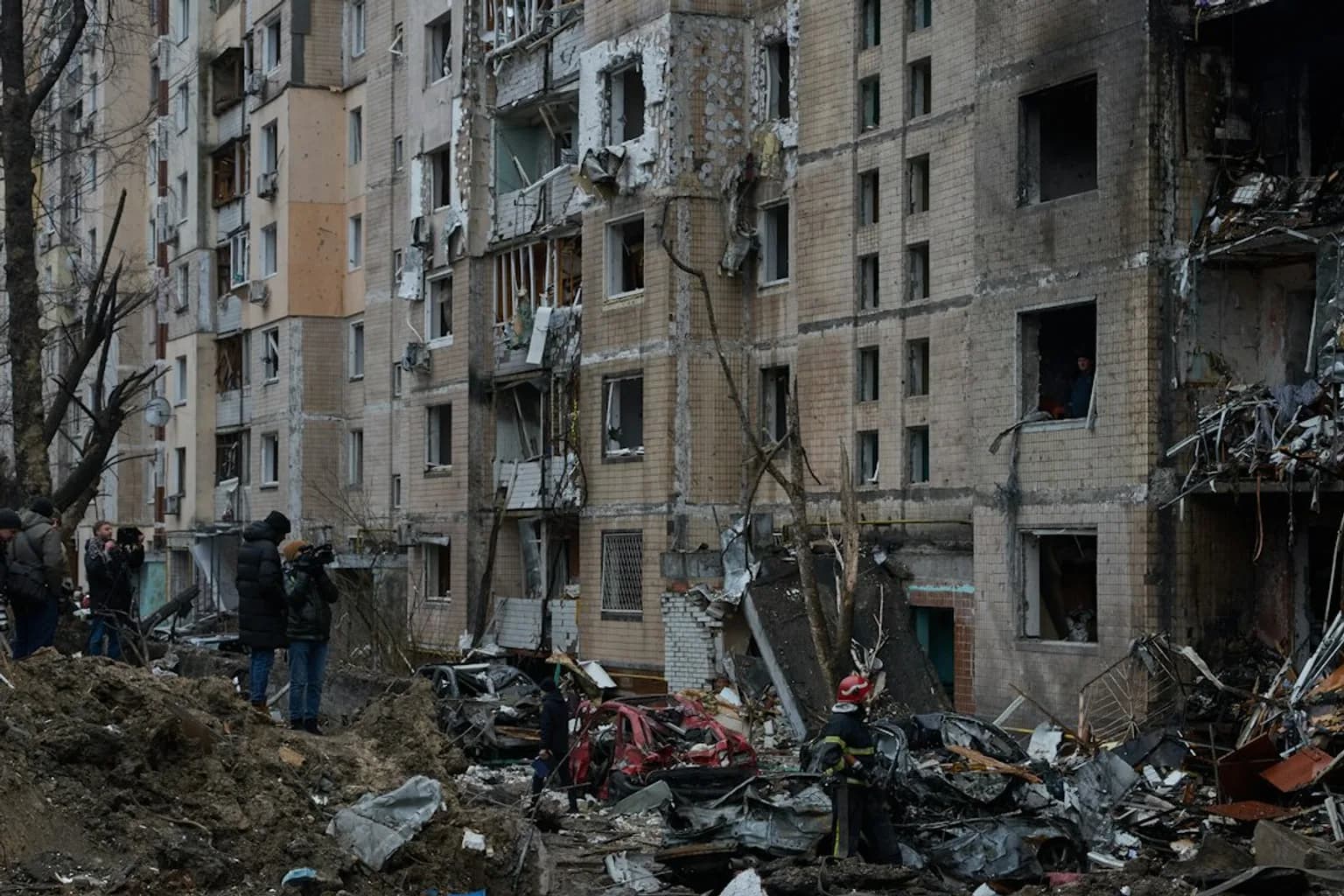
Russia launched missiles and drones across Ukraine overnight into Saturday, wounding at least nine people, including a child, and damaging power networks before talks in Abu Dhabi.
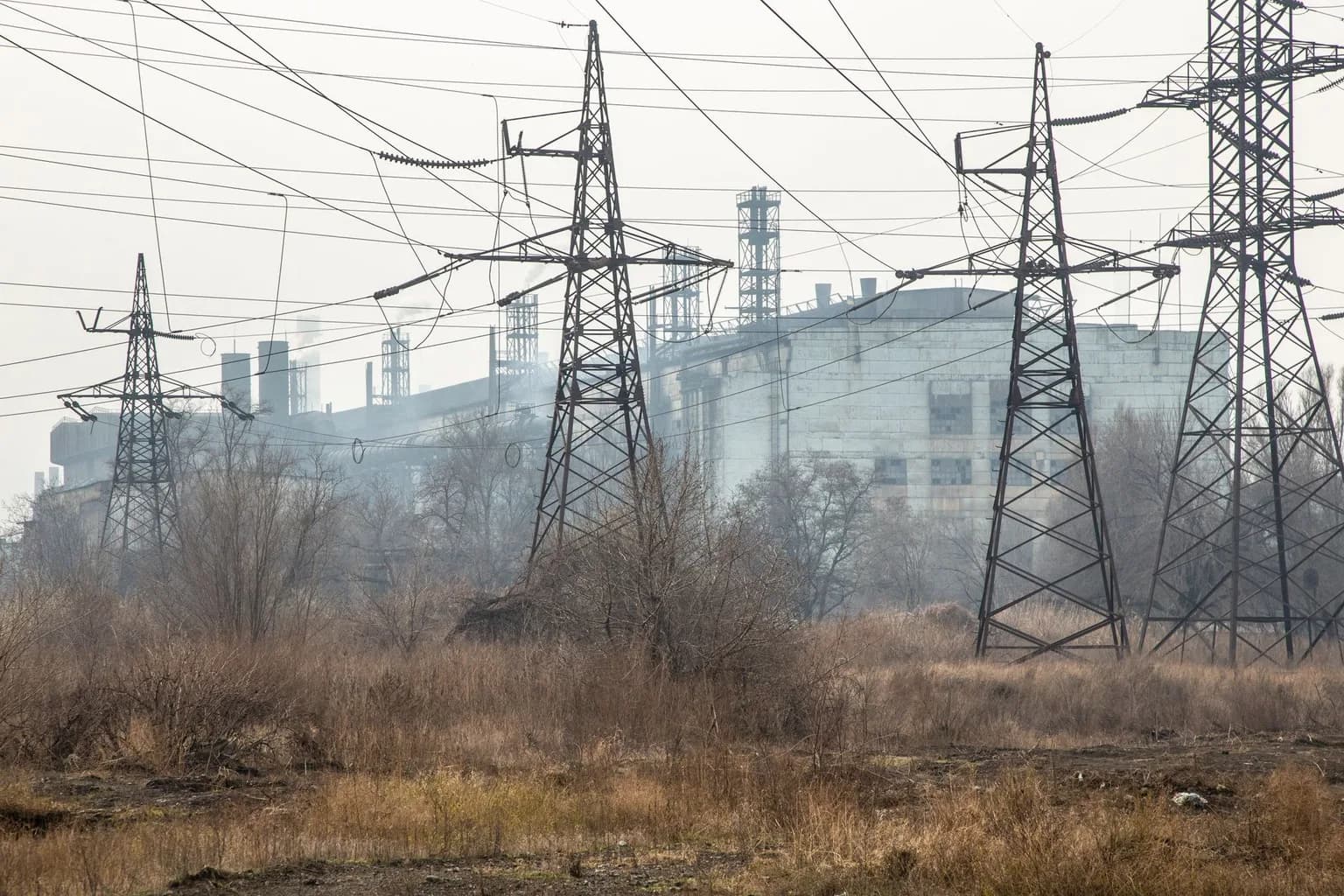
The strikes damaged homes and commercial properties, triggering fresh power and water outages. Ukraine’s Energy Ministry said missiles damaged networks carrying electricity from nuclear power plants to Kyiv and central regions, along with other power facilities.
Delegations from Russia, Ukraine and the US are due to meet in Abu Dhabi on 10–11 November for talks aimed at ending the war. The meeting would be the fourth round brokered by the Trump administration, following negotiations in Geneva in February.
President Volodymyr Zelenskyy said Russia fired 36 ballistic missiles at Kyiv and the surrounding region, while 172 drones flew over Kyiv and 12 other regions. The barrage overall involved more than 30 ballistic missiles and over 170 drones.
Outages were most widespread in the Kyiv and central Zhytomyr regions, as well as the eastern regions of Kharkiv, Donetsk and Dnipropetrovsk. Zelenskyy said strikes hit substations connecting the Rivne and Khmelnytsky nuclear power plants to Kyiv and central Ukraine.
Officials closed Kyiv’s Northern Bridge after it was damaged. Russia’s defence ministry said it had targeted the bridge because it facilitated the transport of weaponry, military hardware and specialist equipment for Ukraine’s armed forces.
Kyiv Mayor Vitali Klitschko said the city’s energy situation was “extremely difficult, affecting the city's heating and water supply systems”. He later said water pressure had been stabilised and repairs to the Northern Bridge were under way.
Kateryna Korniichuk, a 64-year-old Kyiv resident, was at home with her granddaughter when an attack hit. “The first blast wave threw us against that wall and then against the other wall, because we were in the corridor. It's very hard. No sleep, no peace — nothing. The children aren't sleeping, and neither are we. I'm old, I can handle it, but what have the children done wrong?” she said.
In the Zhytomyr region, 140 apartment buildings were left without heating after a Russian strike. Temperatures are falling across Ukraine and parts of the country have seen the first winter snow.
Oleksandr Hanzha, the Dnipropetrovsk military chief, said hospitals in the regional capital, Dnipro, had switched to diesel generators and electric public transport had stopped. Emergency crews were working to restore electricity to some 600,000 people after Russian air strikes on 9 November.
The day before the attacks, Zelenskyy accused Russia of trying to exert maximum pressure before the Abu Dhabi meeting by plunging “the entire country into a blackout”.
Rustem Umerov, Ukraine’s Foreign Intelligence chief, said the Abu Dhabi agenda included “key questions related to ending hostilities and moving closer to peace.”


Comments (0)