


President Volodymyr Zelensky said Russia fired seven ballistic missiles at Kyiv’s North and South bridges overnight on November 17, killing two people. The bridges connect neighbourhoods on opposite banks of the Dnipro River, and both were closed after being hit.
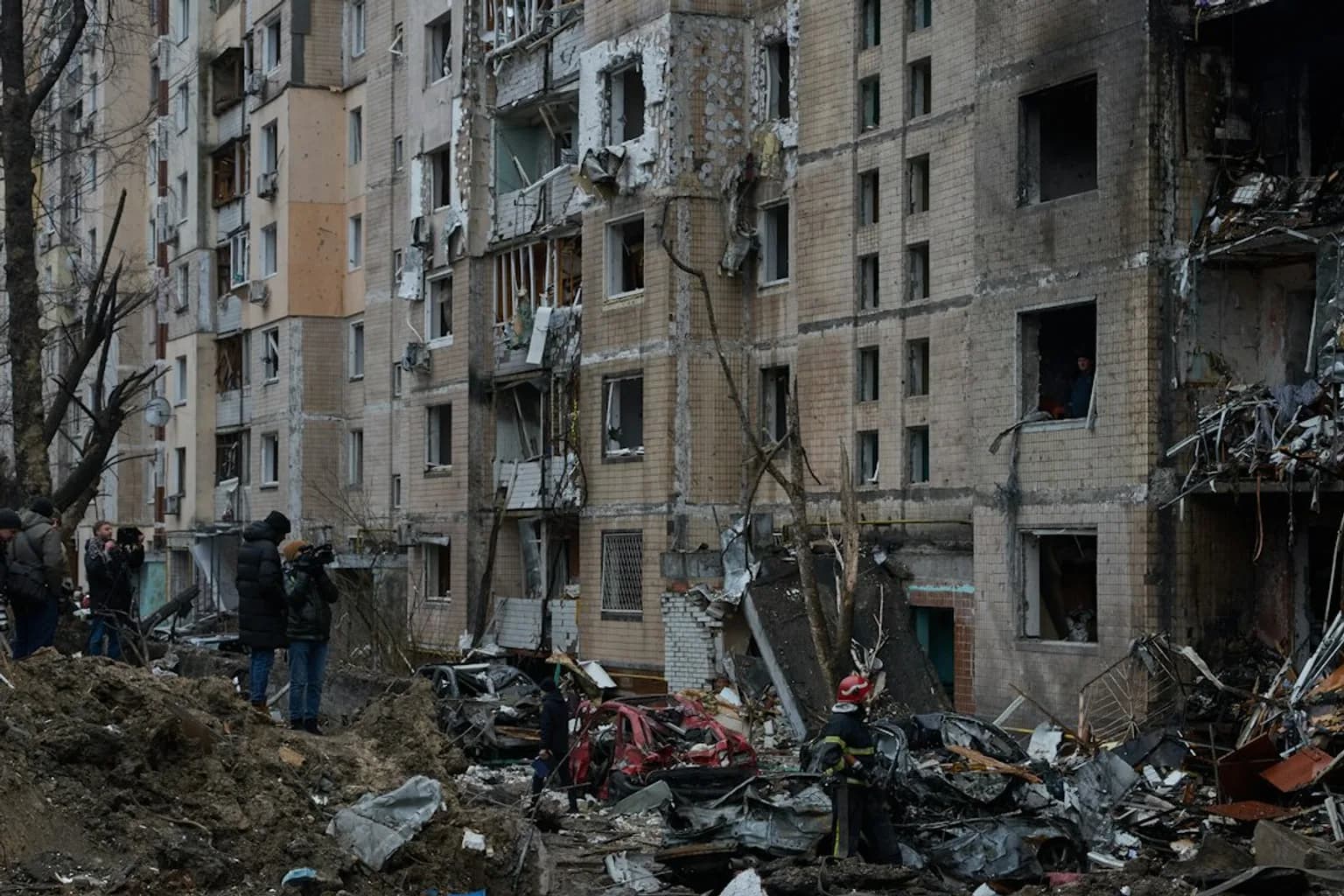
Reuters witnesses reported loud explosions across the capital during the attack. Two people were killed and another was injured in the Obolonskyi district.
The closures have cut a major route across the river for residents. Public transport was sent onto alternative routes, while temporary buses began running between the two banks.
Damage also interrupted the eastern-bank section of the Green Line metro. Trains later resumed between Osokorky and Chervony Khutir, leaving the line operating in separate sections.
Vitali Klitschko, Kyiv’s mayor, said the strikes damaged critical infrastructure and disrupted water and heating supplies. Kyiv moved some consumers in the Darnytskyi, Obolonskyi and Podilskyi districts onto backup heating, affecting areas including Kurenivka, Obolon, Osokorky and Pozniaky.
Families in Kurenivka and Obolon lost hot water and heating as repair work was needed on heating mains, according to the account of the attack. Water pressure also fell in Troieshchyna the following morning, Kyivvodokanal reported.
Zelensky said four missiles hit the South Bridge and three struck the North Bridge. “The Southern Bridge was hit with four ballistic missiles overnight, and the Northern Bridge with three. We identified the needed forces and means, as well as the timeline for repairs.”
He held a call with government officials on emergency medical services, transport changes and protection for infrastructure and industrial facilities. Officials also discussed an emergency support programme for Ukrainian logistics agreed with European Commission President Ursula von der Leyen.
The attack forms part of a campaign against Kyiv’s river crossings that began in early October, when Russian forces used jet-powered strike drones against the city’s eight main bridges. The South Bridge was hit on October 1-2 and the North Bridge on October 3-4, before further attacks through October.
Russia later used Iskander ballistic missiles fitted with optical and radar homing systems, which can alter their path during the terminal phase and strike targets within metres. Serhii Beskrestnov, a Ukrainian presidential adviser, said Russia had deployed the upgraded guidance systems against Kyiv’s crossings.
Denis Yaroslavsky, commander of Ukraine’s 57th Motorized Brigade, said Russian military command had ordered systematic attacks on key Dnipro bridges to paralyse civilian and military logistics and worsen living conditions before winter. Analysts say the chance of destroying the heavily engineered crossings outright remains low, despite the missiles’ improved accuracy.
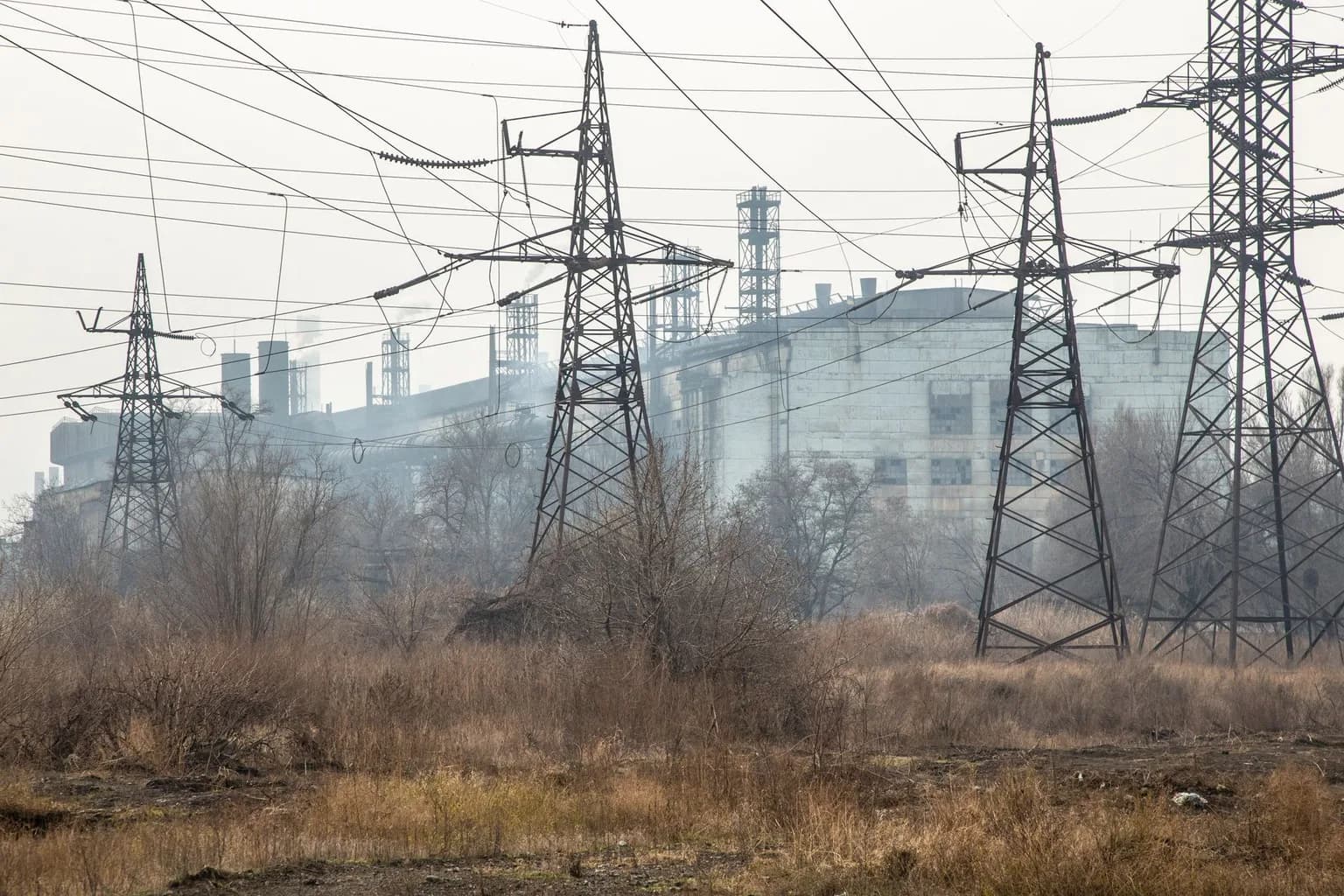
Ukraine is building 21 alternative bridge crossings, with work already under way in Kyiv, Infrastructure and Reconstruction Minister Mykola Kalashnyk said in late October. Zelensky also reported significant power outages in the Dnipropetrovsk, Kharkiv and Zaporizhzhia regions.




Comments (0)