

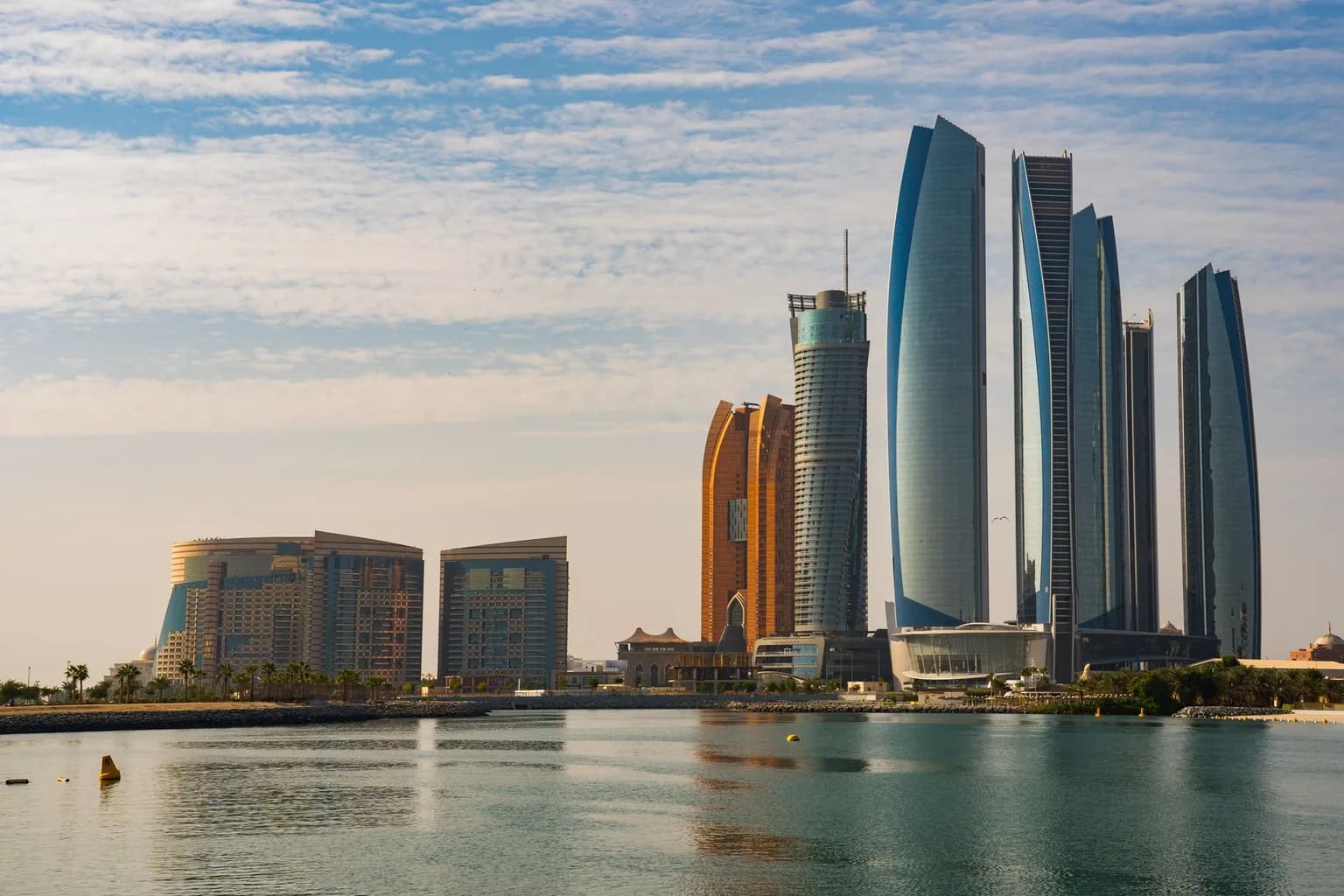
The EU has named Bjoern Seibert and Anna-Maria Boura to lead its planned presence at Ukraine talks in Abu Dhabi, despite the Kremlin's rejection of European participation in the formal three-way format.
On Monday, Ursula von der Leyen, president of the European Commission, said the EU “will be present” at the November 10-11 meeting. The talks are due to cover ending the war in Ukraine, post-war security pacts and de-escalation.
The dispute matters because EU leaders say Europe’s security structure should not be a subject for Ukraine-Russia peace negotiations. Ukrainian allies have raised concerns that the Trump administration could negotiate directly with Russia on post-war security arrangements.
Seibert is von der Leyen’s chief of cabinet. Boura is the chief foreign policy adviser to António Costa, president of the European Council, the EU institution made up of member states’ heads of state or government.
Dmitry Peskov, spokesman for the Kremlin, Russia’s presidential executive office in Moscow, said the Abu Dhabi meeting would be tripartite negotiations between Russia and Ukraine, with mediation from the US. He said the US and Ukraine had their own channels of communication with the EU.
Peskov said Europeans “have not even yet been able to decide who can speak on their behalf,” which he described as “indecision and an unwillingness” to engage with Russia. Friedrich Merz, Germany’s chancellor, called the Kremlin’s comments “the same old game”.
A European official told AFP that national security representatives from the EU, NATO, France, Germany and the UK planned to be in Abu Dhabi during the negotiations. NATO will be represented by its chief of staff, Geoffrey Van Leeuwen.
Volodymyr Zelensky, Ukraine’s president, spoke with von der Leyen on Monday to coordinate their positions on the Abu Dhabi meeting. He wrote that Ukraine was “doing everything to ensure the trilateral format delivers results.”
Jean-Noel Barrot, France’s foreign minister, said on Sunday that French representatives would attend the November 10-11 meeting. The Kremlin said on Friday that Russia could accept European participation if it concluded that European countries were ready to contribute to the peace process.
EU leaders said on Friday that they had not answered the question of who should speak for Europe in future talks. Norwegian Prime Minister Jonas Gahr Støre and Finnish President Alexander Stubb also spoke by phone with President Vladimir Putin, though both countries said their leaders represented their own states rather than Europe as a whole.
Russia will send a delegation led by Vladimir Medinski, a presidential adviser who also led the previous round in Geneva. Vice Foreign Ministers Sergei Riabkov and Mikhail Galuzin, and military intelligence chief Igor Kostiukov, will be part of the delegation. The session will be the first trilateral meeting between Ukraine, Russia and the US since February.

Comments (0)