

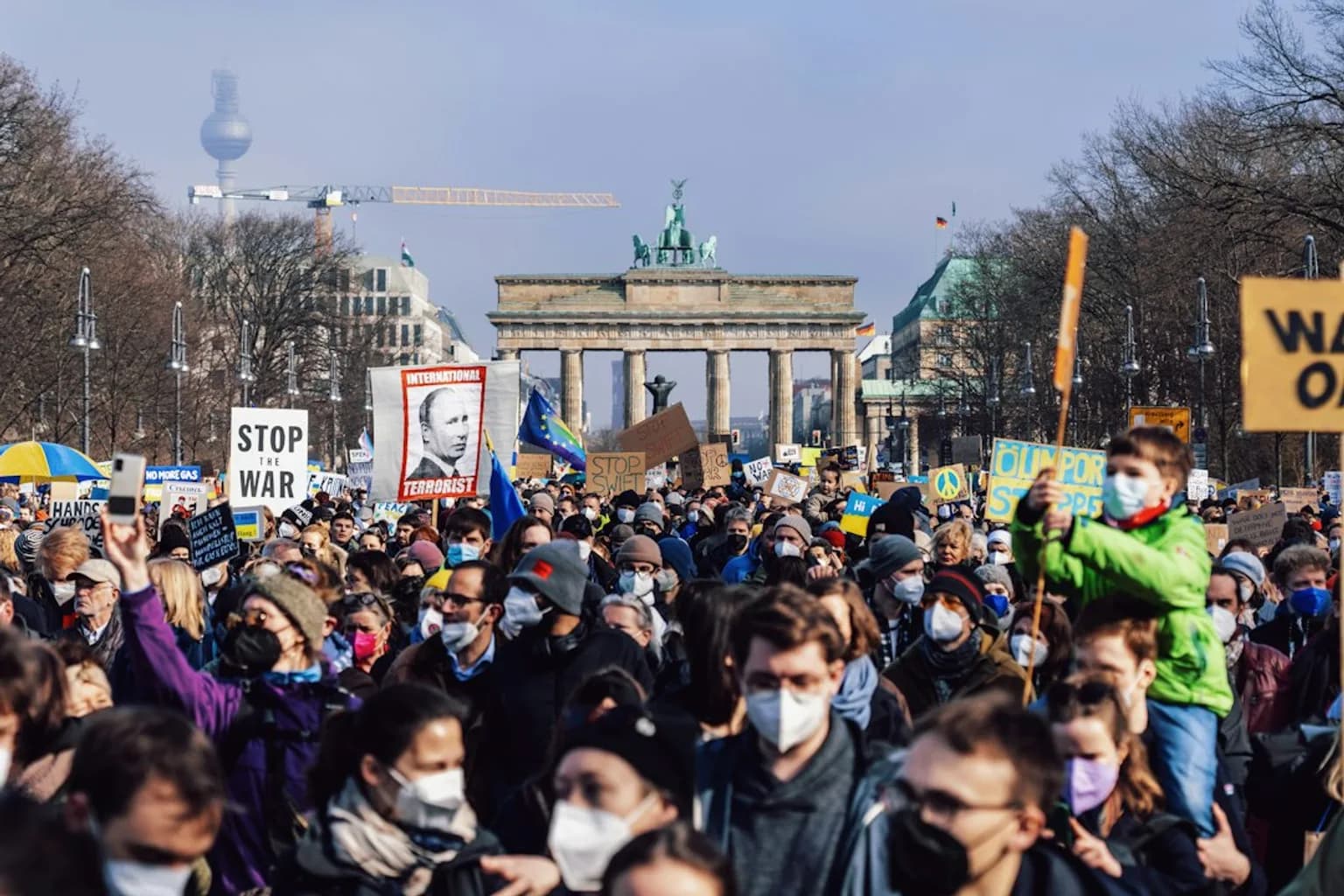
Friedrich Merz, Germany’s chancellor, welcomed Ukrainian President Volodymyr Zelenskyy to Berlin on 19 November 2026 as European leaders demanded a role in talks on Ukraine’s future. The meeting brought together the Coalition of the Willing, a group of 37 countries supporting Ukraine, hours after US President Donald Trump met China’s President Xi Jinping and Russia’s President Vladimir Putin in Shenzhen.
Merz gave each guest a piece of the Berlin Wall, using the gift to warn against deals between major powers made over Europe’s head.
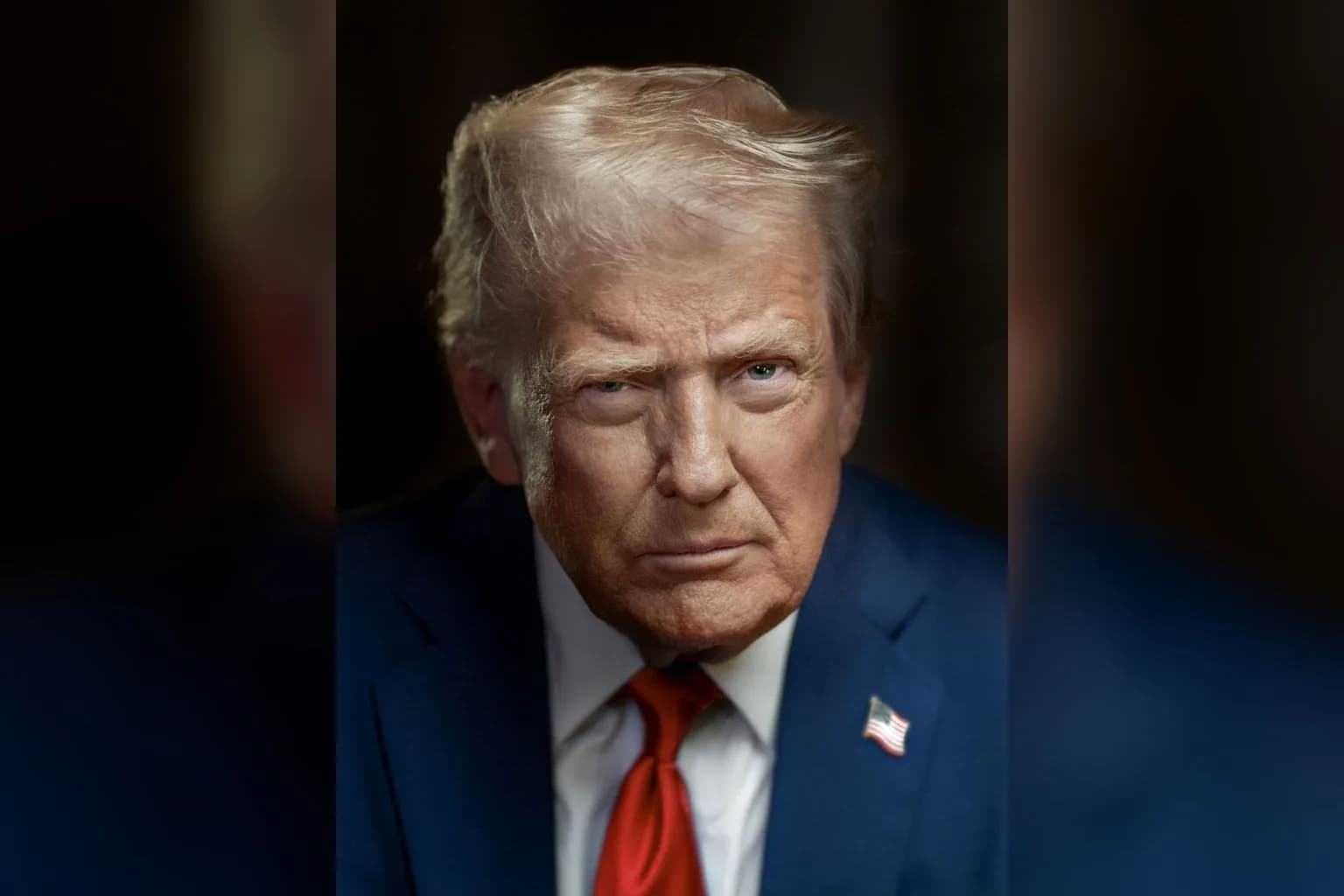
European governments had been angered by the EU’s limited part in the United States’ stop-start diplomacy with Russia and Ukraine. Trump called Putin “my friend” during the Shenzhen meeting, which produced no breakthrough in Russia’s war in Ukraine.
Merz called the Shenzhen summit a “photo op”. He said Europe would be involved if peace negotiations began because they “can only be successful with Ukraine and Europe”.
The Berlin talks ended with renewed support for Kyiv and a demand for European representation in future efforts to end Russia’s invasion. Leaders said decisions on Ukraine and European security could not be made without them in the room.
In a joint statement, the leaders of Germany, France, the UK and Ukraine condemned Russia’s “systematic escalation of its deliberate and indiscriminate missile and drone attacks against Ukraine’s civilians and civilian infrastructure.” They pledged “long-term and comprehensive support” for Kyiv, with air defence a priority.
Emmanuel Macron, the French president, said: “Everyone who has the capacity to provide the means to defend and protect Ukrainian citizens must do so now”. He said Ukraine needed anti-missile systems and interceptors.
The leaders called on Russia to agree to an energy ceasefire for the duration of the winter. They also said Ukraine needed “robust and legally binding security guarantees in place, once a ceasefire enters into force.”
Merz called the €45 billion earmarked by the European Commission for Ukraine in 2027 “powerful support”. Johann Wadephul, Germany’s foreign minister, said the coalition was preparing to keep supplying Ukraine with heating, electricity, water and other essentials through winter if negotiations failed.
Andy Burnham, the British prime minister, said Europe was “ready to enter negotiations” and that “a peace agreement between Ukraine and Russia must come first”. Zelenskyy said the Berlin meeting showed Russia had failed to “divide Europe”, adding: “A strong Europe is not only important for Ukraine, but for Europe itself.”
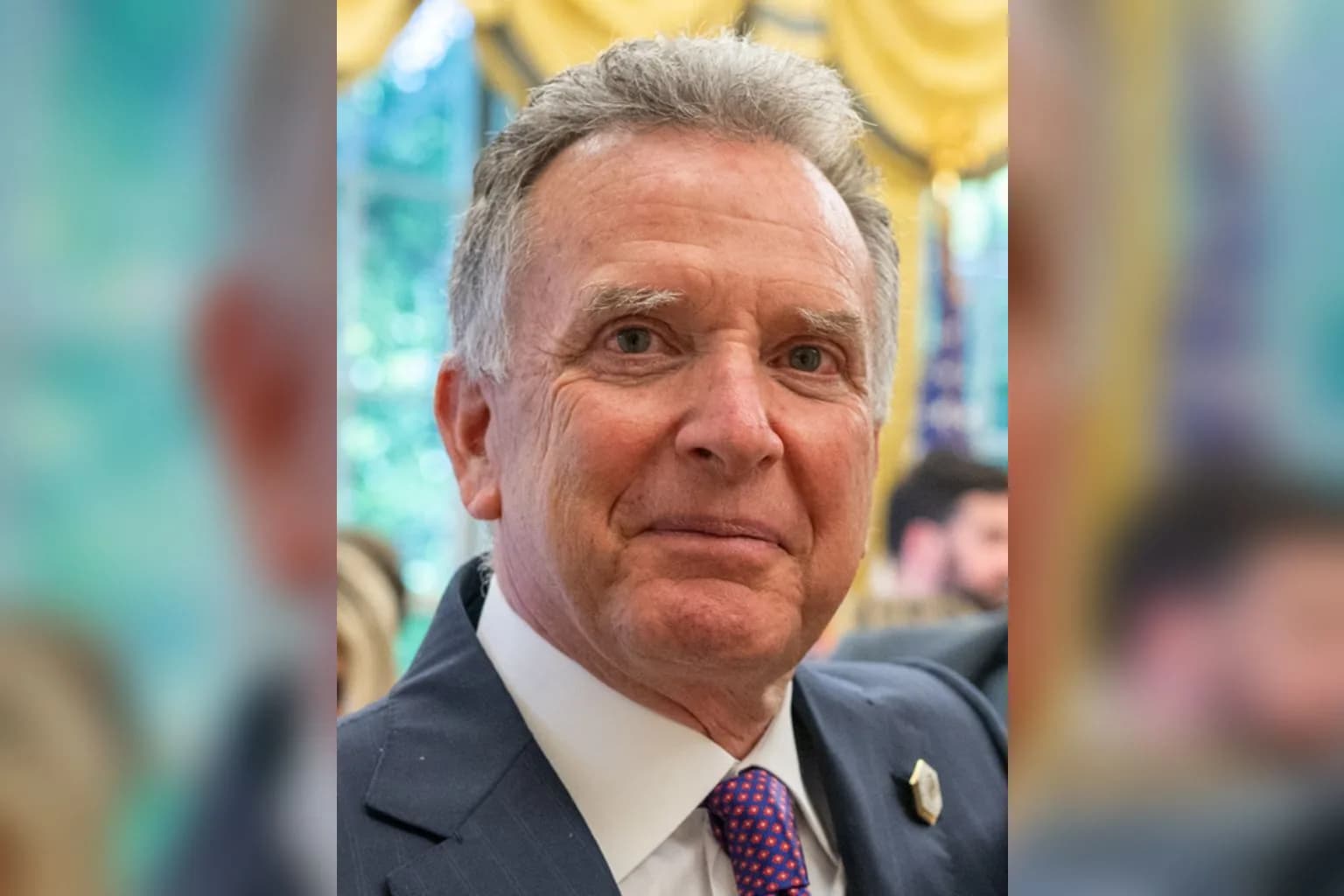
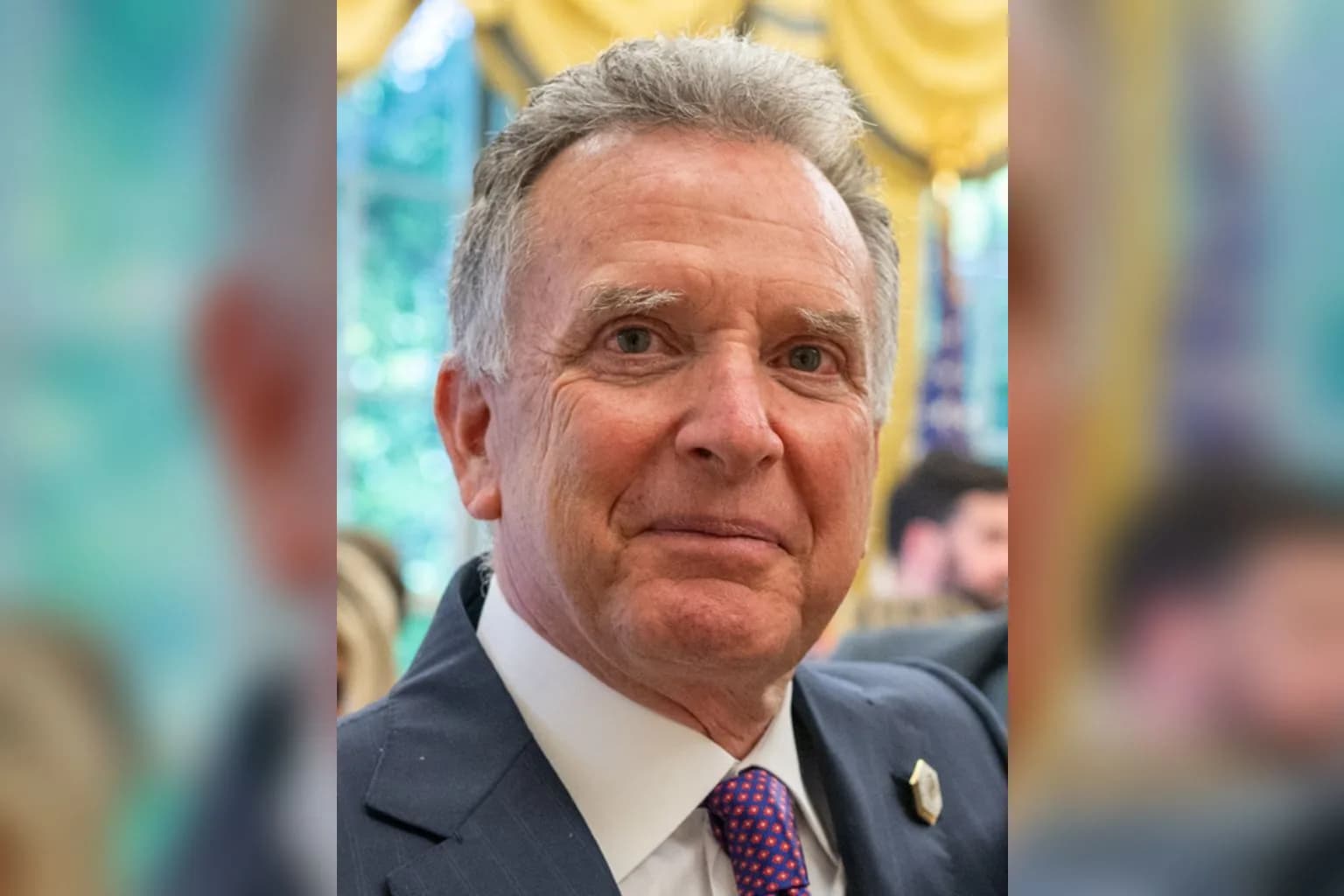
US envoys Jared Kushner and Steve Witkoff attended the Berlin meeting, while Trump joined by phone to brief leaders on Shenzhen. Kushner said “Trump wants to make a deal with Europe by his side” and that “Russia having Europe at the table will be essential for ending the war”.
Putin invited Europeans to Moscow to discuss the potential structure of future negotiations.

Comments (0)