


Emmanuel Macron travelled to Marseille on Monday to inspect damage from earlier protests, after demonstrators briefly stormed the city’s City Hall on 17 October. The French president said authorities had “not anticipated at all” the scale of demonstrations that later descended into violence and looting in several major cities.
Macron said he had asked the government to answer students’ complaints. “I have asked the government to respond to the legitimate demands that lie at the root of this social movement”, he told reporters in Marseille. He had described those demands as “legitimate”.
His intervention follows weeks of street protests by high school students, and a government promise to announce a package of measures. Prime Minister Sébastien Lecornu is due to hold a news conference after meeting unions representing high school students.
The protests began with school blockades in mid-September. Students called for greater resources for education and changes to the university admissions process, which they say entrenches inequality.
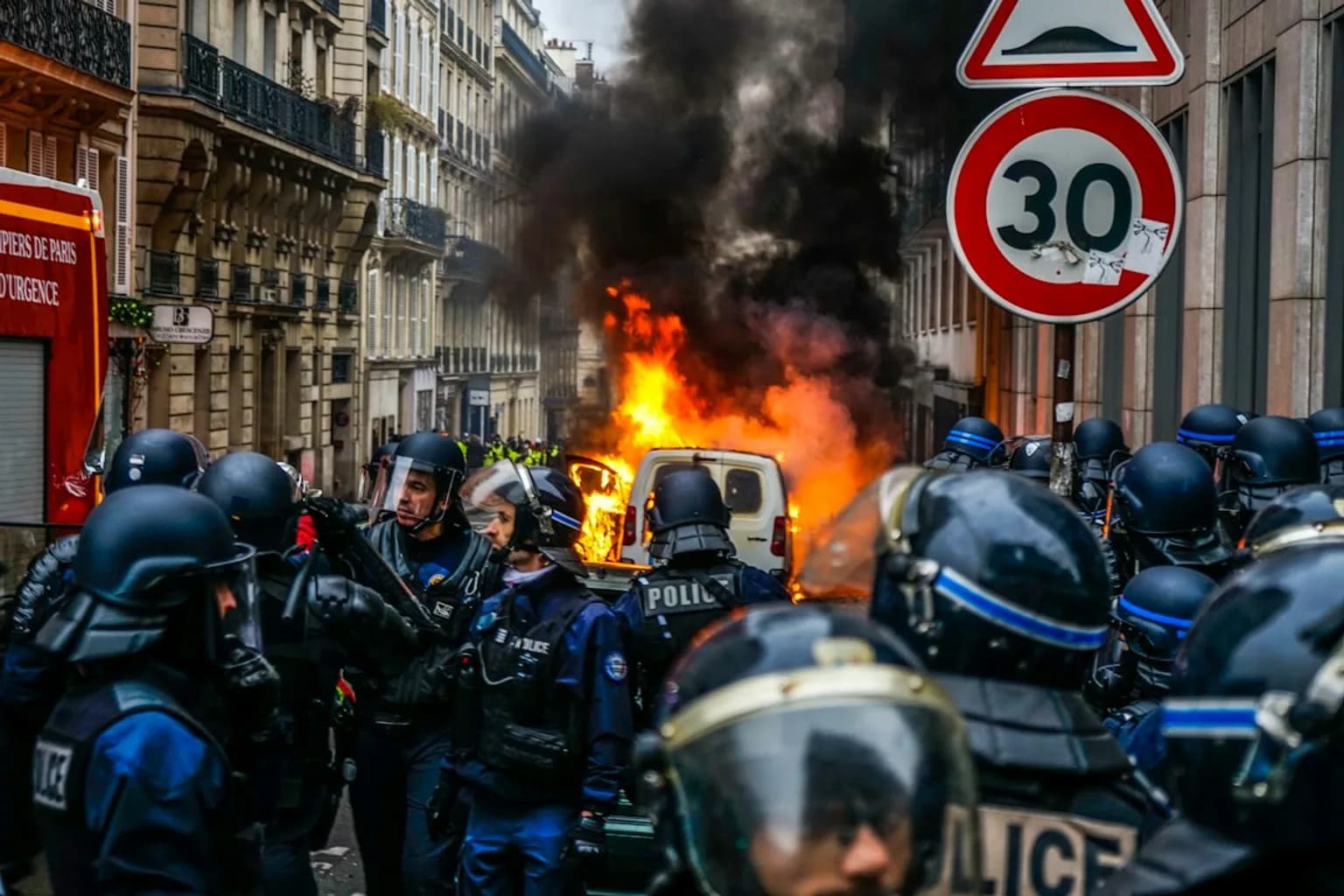
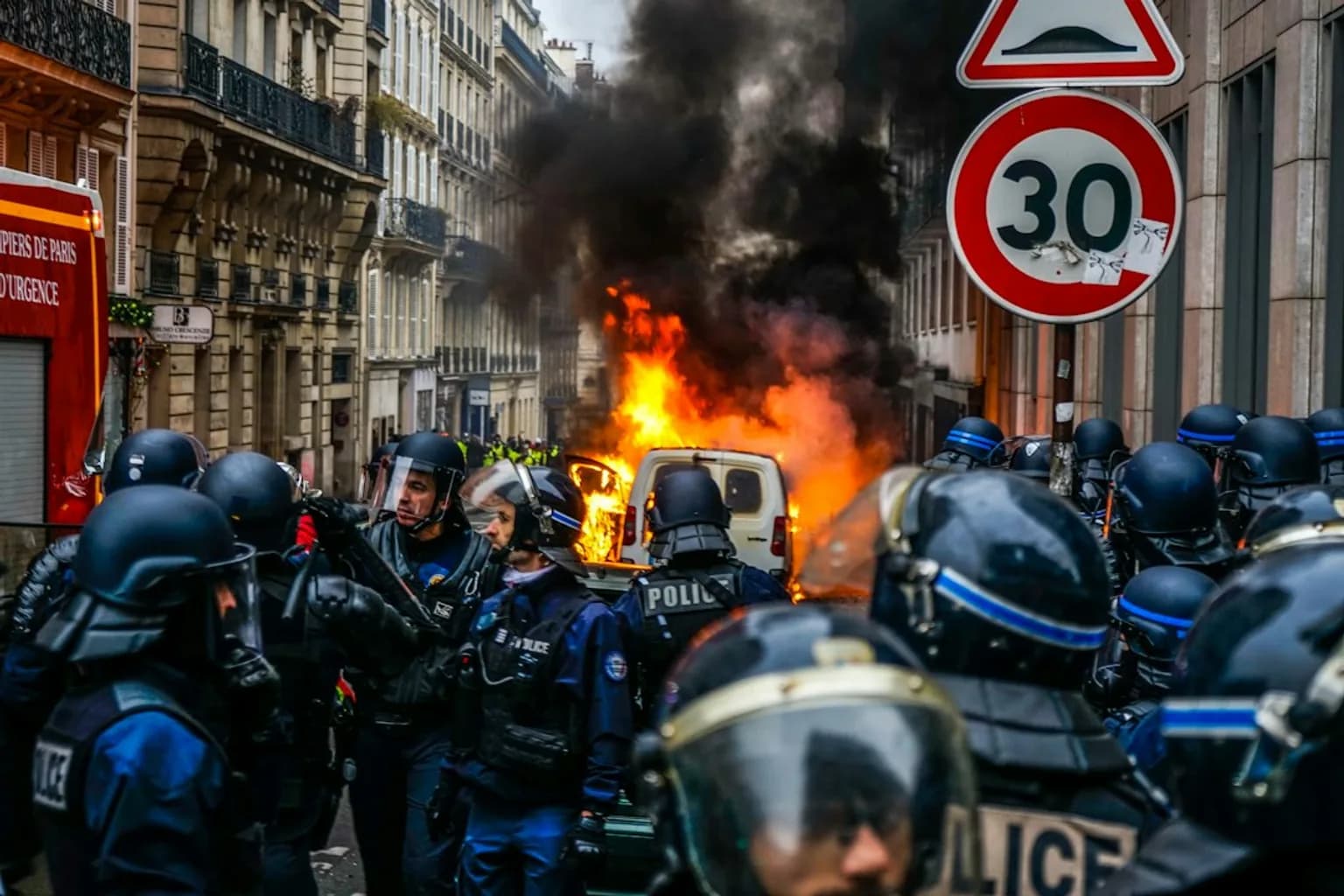
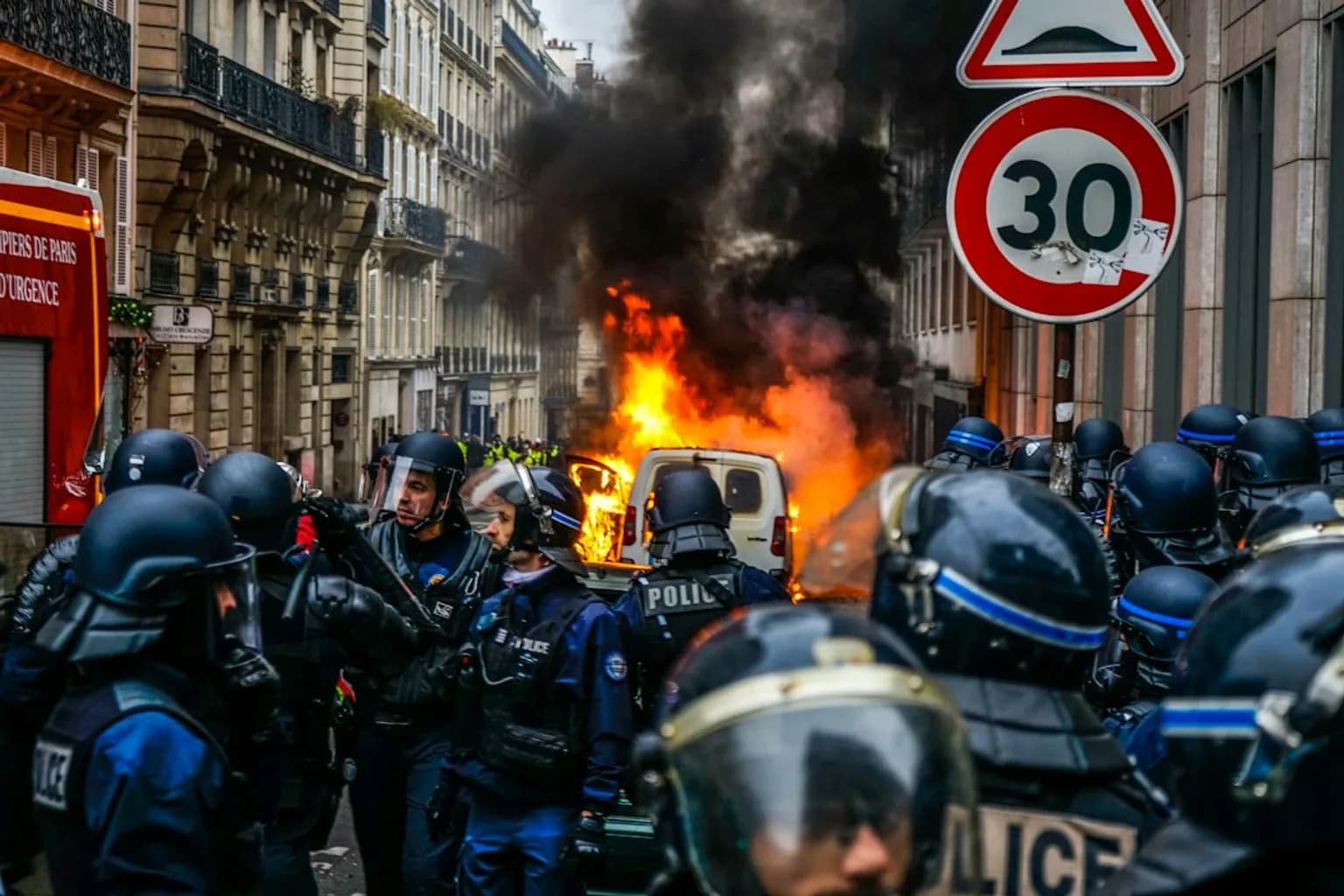
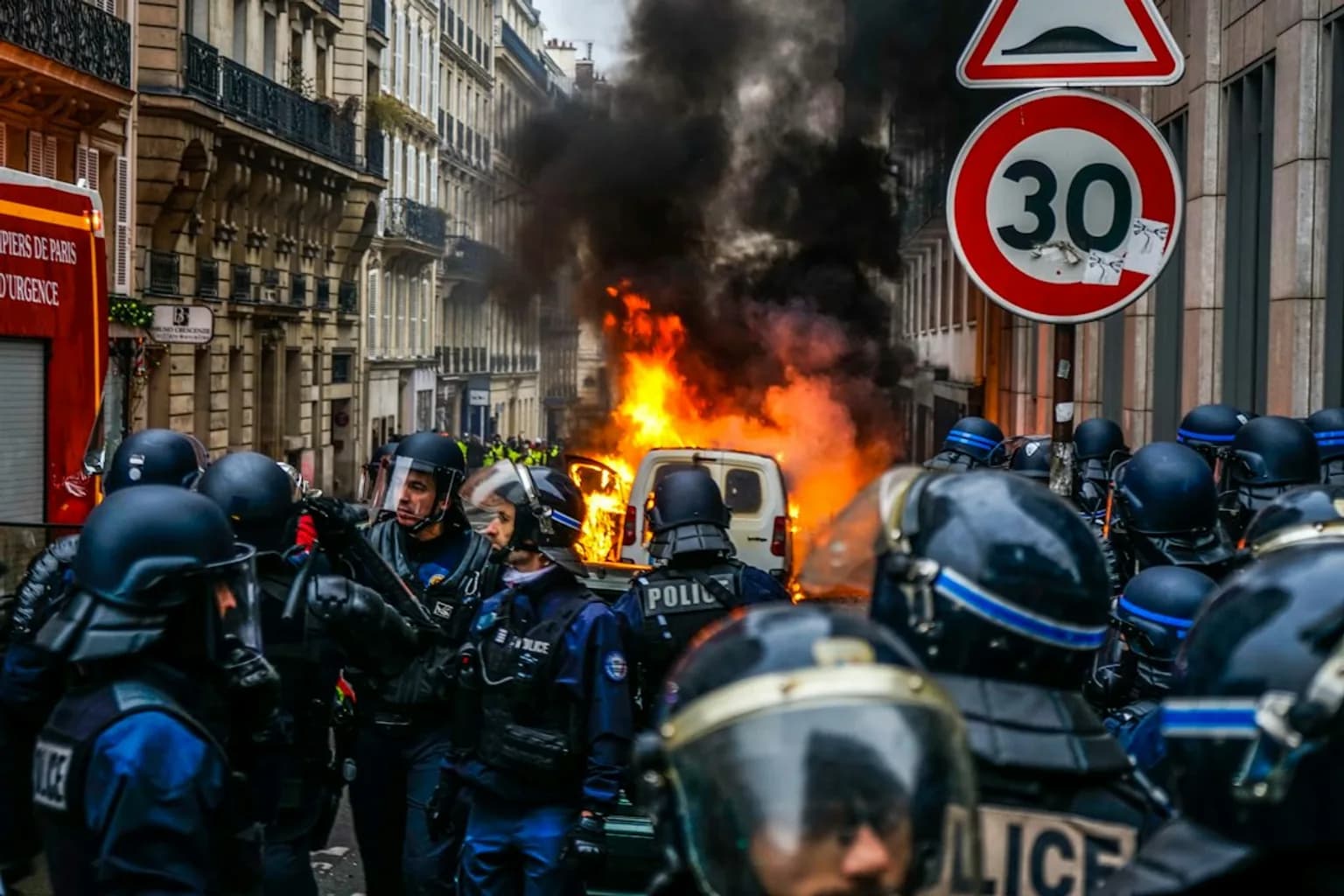
The movement then widened to include trade unions and yellow vest activists, who were protesting high living costs and public services. Nine days before Macron’s statement, violence engulfed dozens of cities. Protesters set fires, looted shops, clashed with police and attacked public buildings.
In Limoges, protesters set the 19th-century town hall ablaze, bringing down its roof and clock tower. About 2,400 people were arrested in connection with the 17 October demonstrations.
A further round of protests followed on 24 October. The interior ministry deployed 70,000 police officers nationwide, while 1,435 people were arrested, Interior Minister Laurent Nunez told broadcaster BFM. Organised far-right mobs confronted left-wing activists in several cities, including Nice and Montpellier.
The government’s concessions include a cap of 28 students in some first-year high school classes from 2027, beginning with more disadvantaged schools. It has also promised to abandon planned cuts to secondary-school teaching posts and create 500 additional jobs.
It has pledged 15,000 additional higher-education places across 2027 and 2028, largely in vocational and technical programmes. Increases in student grants would be linked to inflation from the start of the 2027 academic year.
The government also said on Monday that it would replace Parcoursup, the national online university admissions platform, by 2028. A record 1.05 million people applied through Parcoursup this year, according to the Higher Education Ministry. The 2028 deadline puts a central concession to protesters beyond Macron’s time in office.
Two high school student groups welcomed some of the promises while calling for protests to continue. Further demonstrations were planned for 31 October, and Nunez said he expected additional disturbances that day. He also said more unrest was expected next weekend.


Comments (0)