
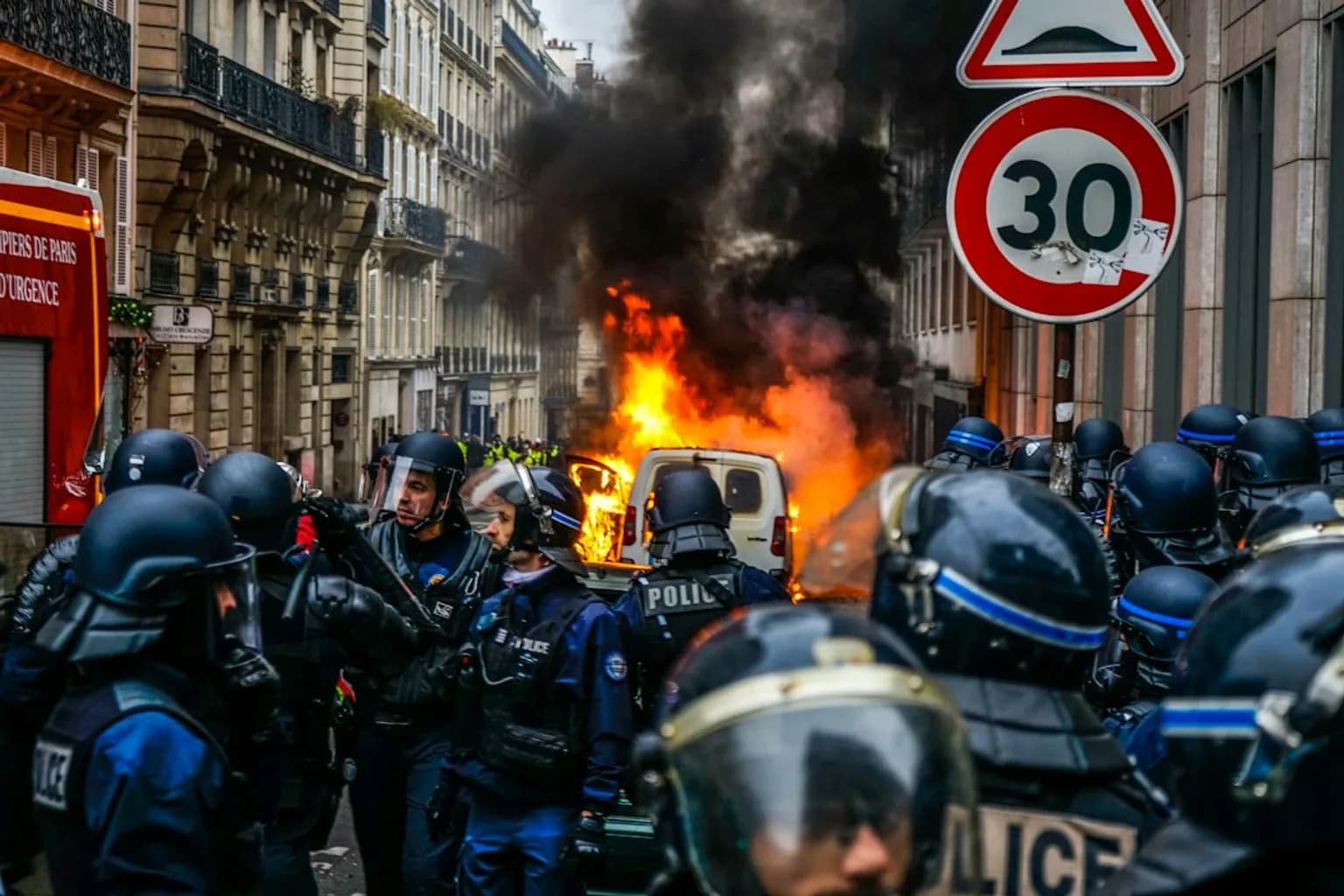
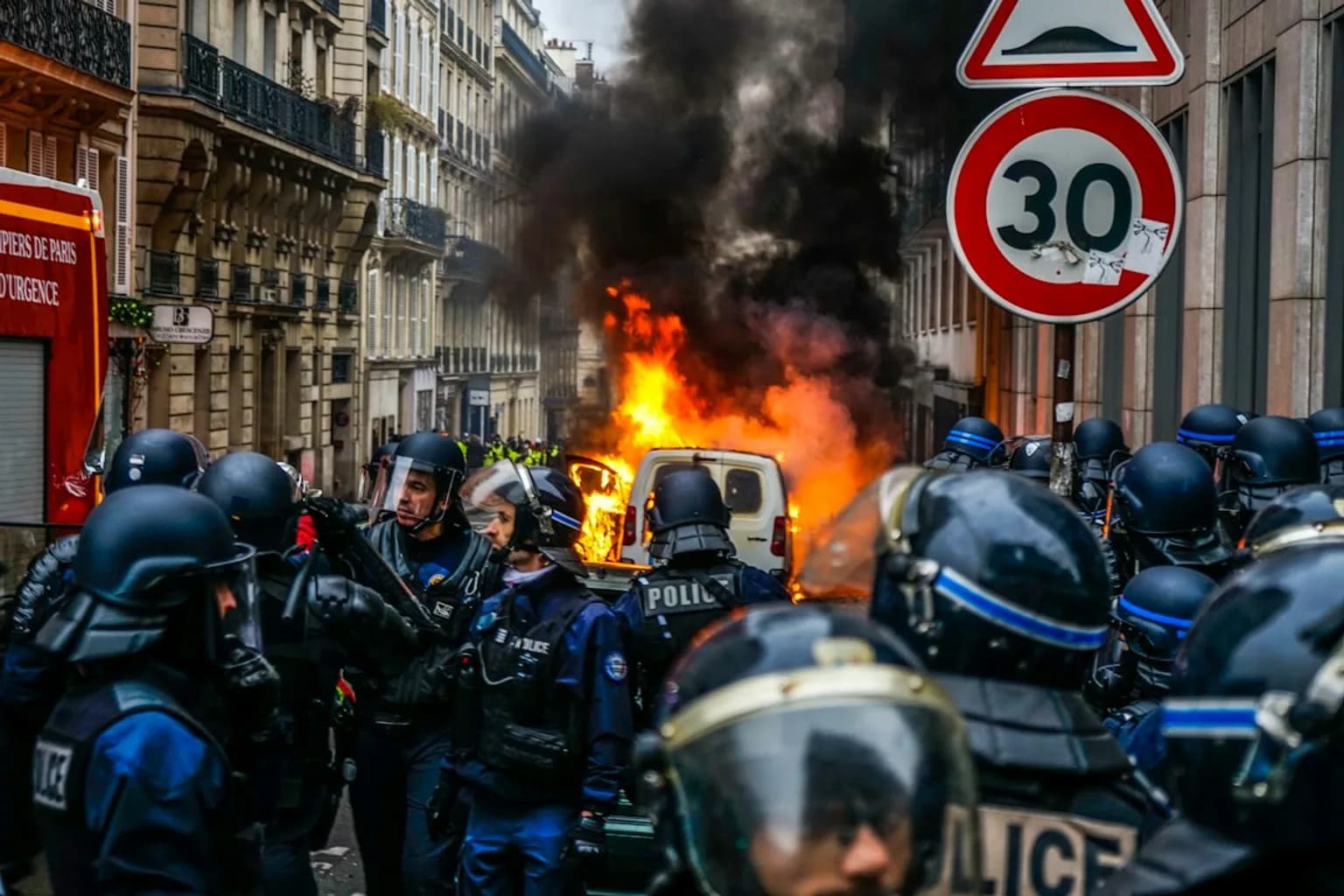
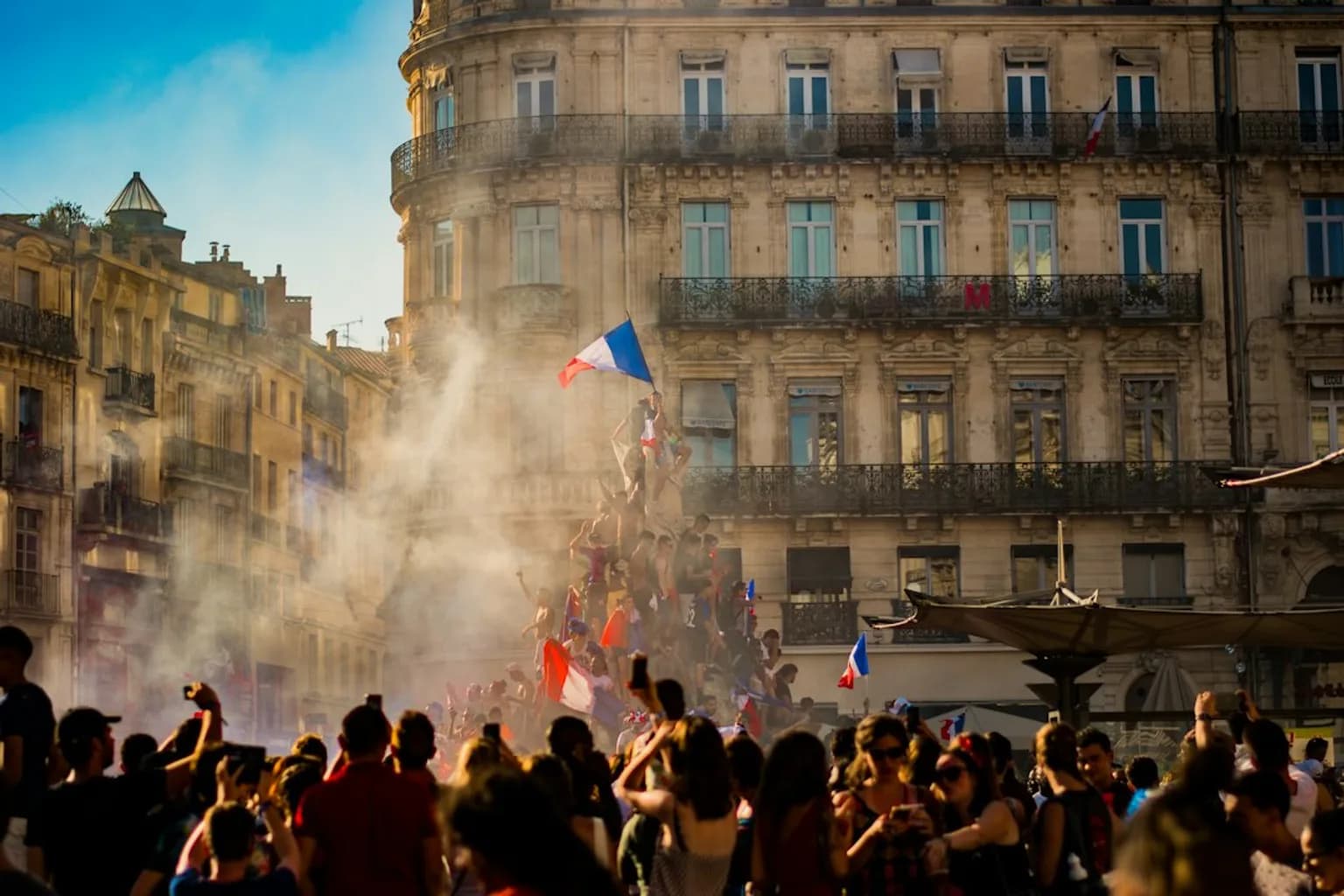
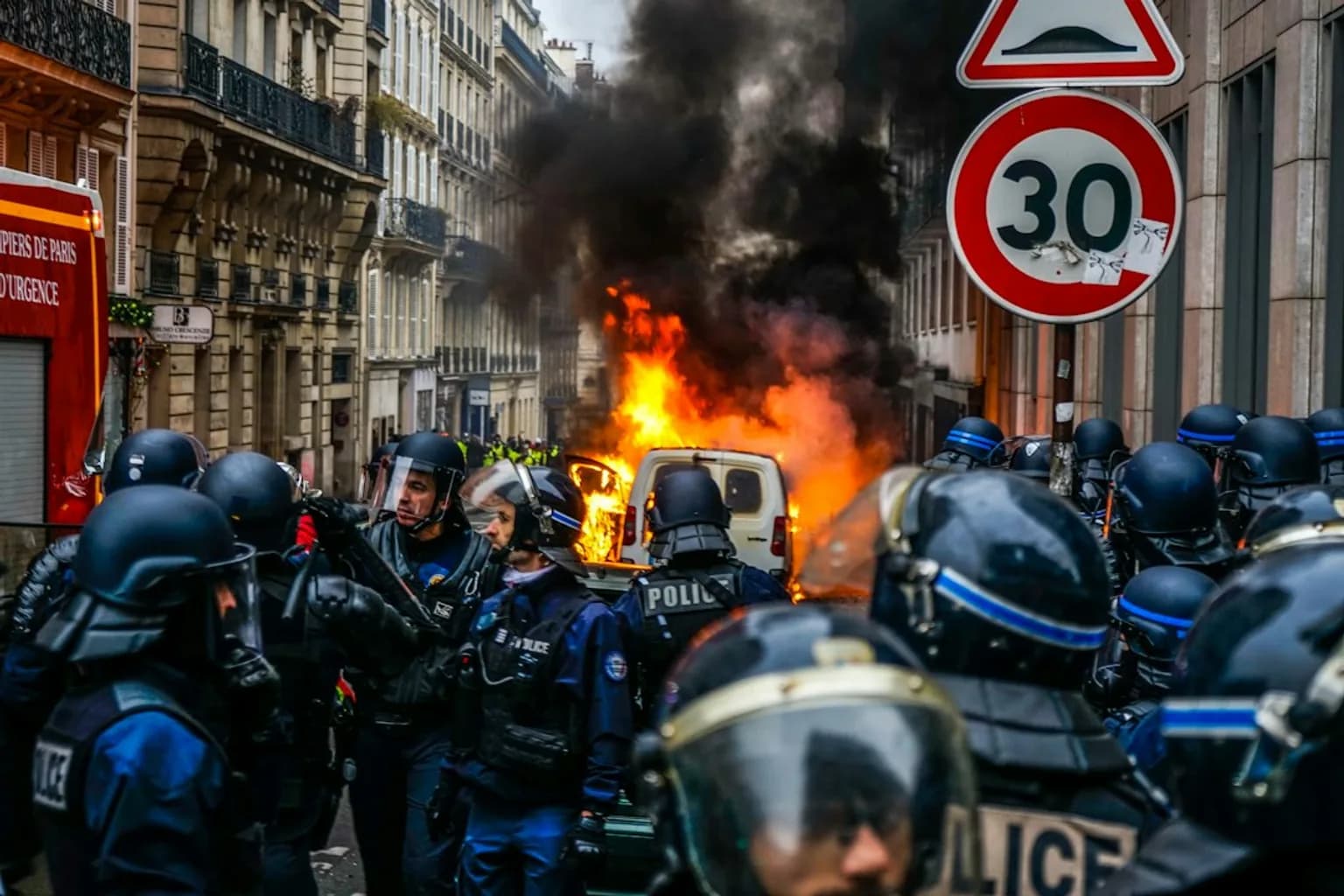
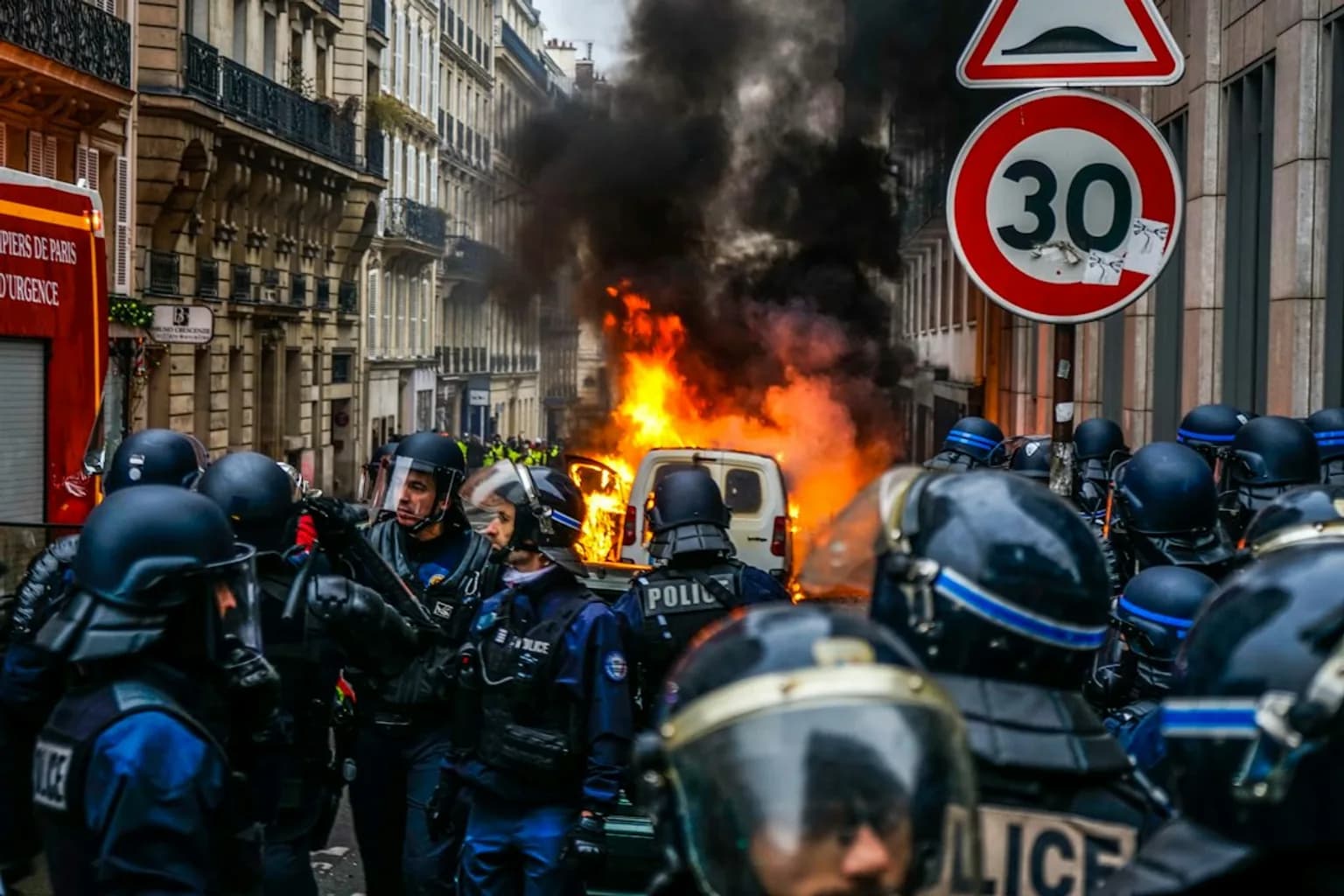
Last weekend’s student protests over high prices and education reform drew more than half a million people onto the streets across France. As they spread, masked rioters looted shops and clashed with police.
Among the businesses hit was the Hermès boutique in Marseille. Its chief financial officer, Eric du Halgouet, said it would not re-open 'anytime soon'.
By Monday, the interior minister, Laurent Nunez, said the authorities had 'lost control' and had failed to foresee the scale of the violence. Gérald Darmanin, the justice minister, said on Wednesday that 2,500 people had been arrested since last weekend, with 174 jailed and more than 900 facing prosecution.
Paris police responded on Thursday by banning gatherings from 8 a.m. (0600 GMT) to 8 p.m. local time near the Elysee presidential palace, Bastille Square, both houses of parliament, the Louvre and the Champs-Elysees.
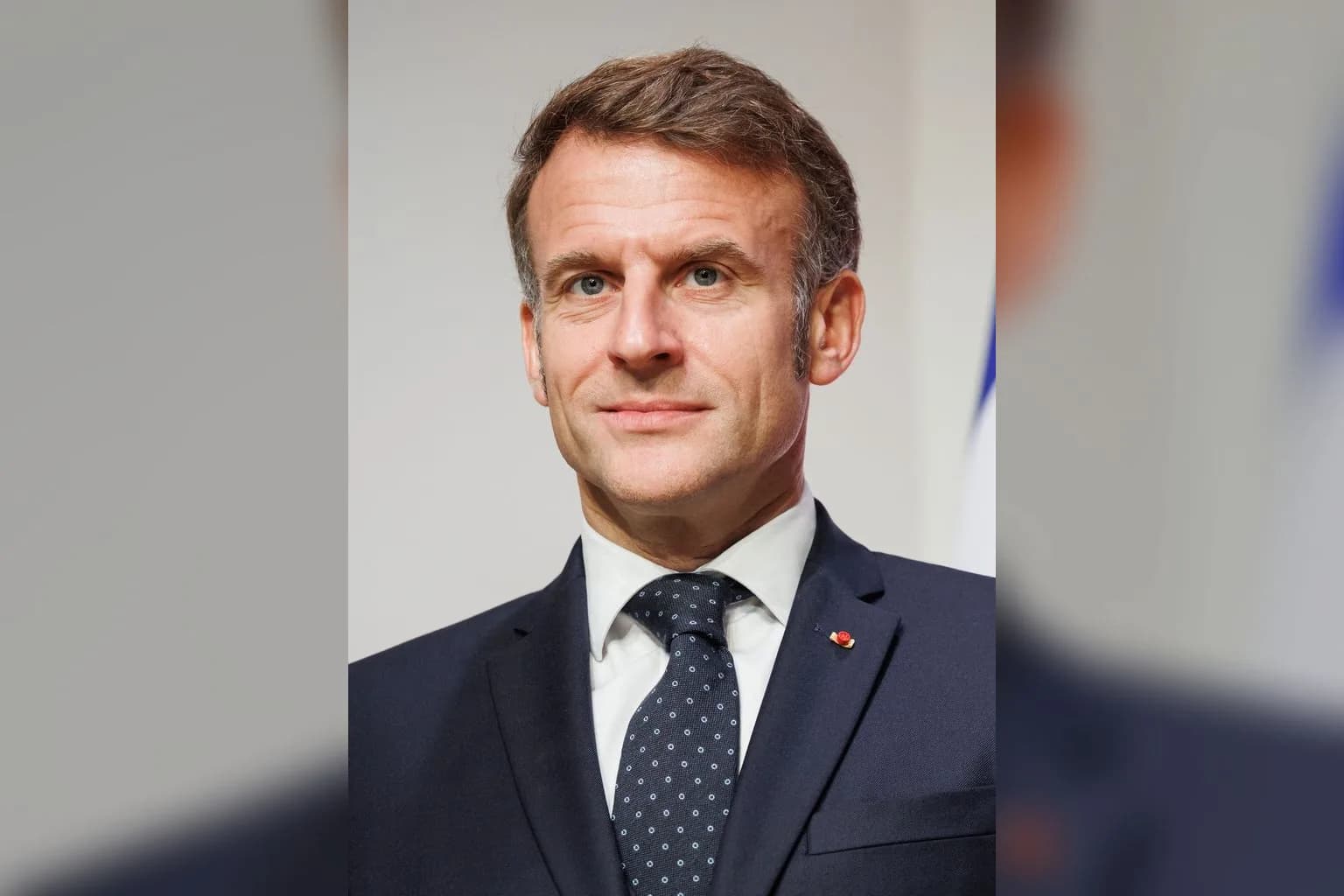
Emmanuel Macron has said only union-organised protests will be authorised during nationwide demonstrations on Saturday. He has blamed 'seditious' ultra-left groups and vandals for the riots and looting, saying the groups planned to 'bring down the Republic'.
The restrictions face a separate legal test. An administrative court issued an emergency ruling suspending a Paris police order that had banned a student demonstration organised by Interfac Île-de-France from Pitié Salpêtrière university hospital.
The unrest has also become part of a wider political argument. Donald Trump attributed it to 'migrants, jihadists, and communists,' saying they had 'conquered, looted, and burned (France) to the ground'. He said he had warned Macron about immigration while campaigning for US midterm elections, and praised Marine Le Pen on Tuesday.
Speaking in Doha on Wednesday, Macron said leaders in the region and across the Atlantic were campaigning at France’s expense. Asked whether he meant Trump, he replied: 'Among others'.
Macron said accounts of the crisis had been manipulated, including through 'AI-generated images depicting scenes that never actually happened'. He rejected claims that France had been invaded by migrants and Islamists as 'completely false'.
Le Pen, the far-right political leader currently favoured to win the 2027 presidential election, dismissed Macron’s account as 'conspiratorial'. She said: 'The images we saw last Saturday are not generated by artificial intelligence: they show the sad reality of what France has become after 10 years of Macronist rule'. Jean-Luc Melenchon, a far-left candidate, follows her in the contest.
For Saturday, Sébastien Lecornu, the prime minister, has promised a 'massive' security deployment. Police and gendarmes will field 20 percent more officers than were mobilised on October 17, when around 60,000 were deployed across the country.
They will be reinforced by soldiers from the Sentinelle anti-terrorism force, elite police and gendarmerie units including RAID, GIGN and BRI, as well as helicopters and armoured vehicles. Lecornu said the response would not resemble the 'static and little mobile' approach used during previous calls.
The Yellow Vest movement has announced a Saturday march from Bastille Square in Paris. Calls for another round of protests are already circulating online, raising the prospect of weekly demonstrations similar to those during the 2018-2019 Yellow Vest movement.
Comments (0)